Descripción
Discover how upgrading your core driving mechanisms can radically slash operational overhead while elevating your machining precision to entirely new levels.
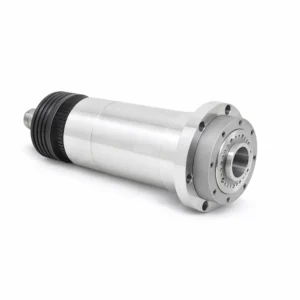
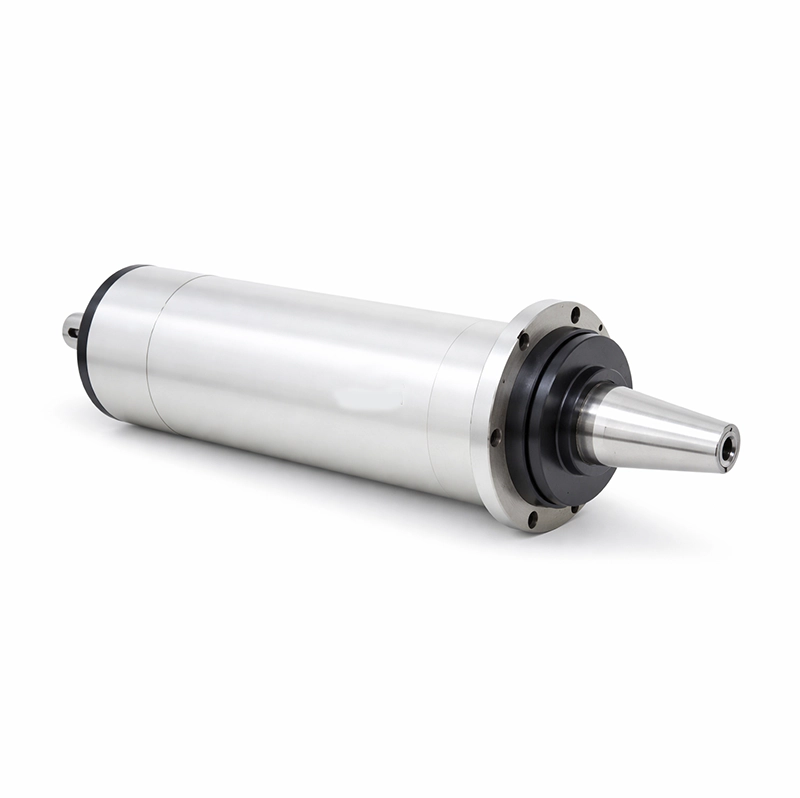
Stepping onto a bustling factory floor anywhere from Rotterdam to Eindhoven, the constant, rhythmic hum of machinery is literally the sound of profitable production. But what happens when that comforting hum turns into a painful, vibrating grinding noise? We’ve seen entire operations grind to an absolute, agonizing halt simply because a core drive component failed prematurely. Equipping your automated machinery with a Spindle Motor with High Efficiency for Cost-Effective Use isn’t just a minor maintenance upgrade; it is the beating heart of your entire production capability. Most equipment procurement managers focus purely on the initial purchase price tag (which is a natural instinct, of course), but the trick is understanding the massive impact of the total cost of ownership over a five-year span. A high-quality CNC spindle motor directly dictates your maximum production speed, significantly slashes your monthly energy bills, and ultimately determines the flawless surface finish of your final products. Whether you are running a massive, continuous-shift manufacturing plant or overseeing a specialized, high-precision machining facility across the Netherlands, finding that perfect, elusive balance between raw rotational power and ongoing operational savings is the absolute key to outperforming your regional competitors.
Unpacking the Core Mechanics: What Exactly is a Spindle Motor?
Diving right into the core mechanics of these machines, it becomes incredibly clear why they are so vital. A spindle motor is a hyper-precise, incredibly high-frequency electric powertrain purposefully designed to rotate a cutting tool—or sometimes the raw workpiece itself—at staggering, mind-bending velocities. You absolutely cannot compare these intricate devices to the standard, clunky induction motors running your facility’s ventilation fans or conveyor belts! These industrial workhorses are meticulously dynamically balanced on computer-guided rigs to absorb severe radial and axial slicing loads while maintaining an absolute, perfect geometric center. The fundamental magic of how they operate relies heavily on an external Variable Frequency Drive (VFD), which acts as the digital brain of the operation. This VFD manipulates the frequency and voltage of the electrical current feeding into the heavily insulated copper stator windings. By seamlessly shifting this electrical frequency, the internal magnetic fields spin faster or slower, instantly pulling the precision rotor along with it and effortlessly converting raw electrical amperage into the devastating mechanical torque required for high-speed material removal.
The operational footprint of these sophisticated high-speed spindle motors spans across practically every modern manufacturing discipline you can imagine. In the heavy-duty metal fabrication sector, they deliver the unrelenting, rigid torque necessary to plunge a carbide endmill deep into a solid block of aerospace-grade titanium without stalling or violently chattering. Transitioning into the expansive woodworking and architectural cabinetry sectors, these units are the absolute beating heart of massive flatbed CNC routers, spinning at up to 24,000 RPM to cleanly shear through dense natural hardwoods or abrasive composite panels without causing ugly friction burns. In our experience, even highly specialized, niche fields like delicate acrylic forming and complex plastic molding lean heavily on this specific rotational control to prevent the material from melting and instantly welding itself back onto the cutting flutes. Quite literally, without this highly refined rotational power, modern automated subtractive manufacturing would cease to exist.
Pilares técnicos fundamentales que rigen la selección de su equipo.
When attempting to source the absolute best spindle motor for your factory floor, getting distracted by flashy, inflated peak-power numbers on a specification sheet is an incredibly common trap that catches many buyers off guard. The critical element you must actually analyze is the precise relationship between raw power (measured in kilowatts) and low-end torque (measured in Newton-meters). Installing a massive, screaming 9kW motor on a machine exclusively dedicated to light foam routing is an absurd waste of capital and daily electrical energy. Conversely, trying to use a budget-friendly 1.5kW router spindle to face-mill block carbon steel will instantly stall the drive, trip your electrical breakers, and likely shatter your expensive tooling into a dozen pieces! The trick is closely examining the manufacturer’s specific torque curve; if your daily operations involve hogging out thick metals at low speeds, you absolutely require a motor specifically wound with thicker gauge copper wire to deliver massive torque at those much lower VFD frequencies.
Rotational speed, commonly referred to as RPM, alongside your choice of thermal management architecture, fundamentally dictates your machine’s physical layout and operational limits. Extreme high-speed capabilities pushing past 24,000 RPM are absolutely mandatory for utilizing small-diameter tooling in aluminum or dense plastics, ensuring a pristine surface finish without leaving visible tool marks. When it comes to the cooling debate, the choice between water and air is perpetual and highly dependent on your ambient shop environment. Water-cooled systems pump a continuous flow of chilled fluid through a sealed outer jacket, making them phenomenally quiet and allowing them to maintain an incredibly stable thermal baseline during grueling 72-hour continuous production runs. Air-cooled variants, powered by an integrated shaft-driven impeller fan, are undeniably louder and can disperse dust around your shop. However, they completely eradicate the need for complex plumbing, tedious coolant fluid maintenance, and the paralyzing fear of hoses freezing solid in unheated winter workshops.
| Cooling Method | Primary Advantage | Escenario de aplicación ideal | Maintenance Requirement |
|---|---|---|---|
| Water-Cooled | Superior thermal stability, ultra-quiet operation | Continuous 24/7 heavy metal milling, climate-controlled shops | Regular coolant checks, pump monitoring |
| Air-Cooled | Zero plumbing, immune to freezing, highly mobile | Woodworking routers, unheated facilities, intermittent use | Blowing out dust from air intake vents |
Moving beyond just raw power and thermal dynamics, mechanical precision is the ultimate, uncompromising gatekeeper of production quality. Spindle runout—which is the microscopic, barely visible wobble of the tool bit as it spins—must be kept strictly below 0.005mm for any high-end CNC machining task. Even a fractional deviation here will drastically shorten your tool life and ruin the aesthetic surface finish of your final parts, leading to incredibly costly batch rejects. This directly ties into your facility’s spindle motor maintenance protocols. A motor constructed with premium, matched-pair ceramic angular contact bearings will naturally vibrate less, run significantly cooler, and vastly extend the interval between mandatory factory rebuilds. Committing to routine collet cleaning and strictly enforcing daily spindle warm-up routines will essentially bulletproof your substantial hardware investment for years to come.
Satisfacer las exigencias inflexibles del panorama industrial holandés.
The manufacturing ecosystem nestled within the Netherlands is universally recognized as a global powerhouse of precision engineering, strict quality control, and cutting-edge smart-industry innovation. Hubs clustered around regions like Brainport Eindhoven don’t just churn out generic, low-tolerance parts; they are actively manufacturing the sophisticated machines that manufacture our future. Consequently, Dutch CNC operations demand driving equipment that delivers uncompromising, repeatable accuracy while simultaneously adhering to some of the strictest sustainability and energy-efficiency metrics found anywhere on the planet. When sourcing heavy machinery, Dutch procurement specialists heavily prioritize systems that aggressively minimize electrical waste. A high-efficiency motor that converts grid power directly into pure cutting torque actively lowers the facility’s carbon footprint and drastically slashes monthly utility overheads—a massive consideration given the current volatile state of European energy pricing models.
Regulatory compliance across this region is absolutely non-negotiable. Any rotational equipment crossing into the Dutch workspace must explicitly and legally conform to rigorous European Union safety directives. Full CE certification is not just a nice marketing badge to slap on a shipping box; it is a strict legal mandate validating that the hardware has survived intense scrutiny regarding electromagnetic compatibility (EMC)—ensuring the motor’s electrical noise won’t completely fry the delicate, highly sensitive IoT tracking sensors scattered across your automated factory floor. Furthermore, it guarantees strict adherence to all heavy machinery safety protocols and RoHS hazardous material restrictions. Our specialized product lines are inherently engineered from the ground up to not just meet, but far exceed these European standards, providing your compliance teams with the heavily audited, transparent paper trails they require to confidently pass any sudden internal safety or quality inspections.
“Upgrading to the high-efficiency 4.5kW model for our custom aluminum extrusion line in Rotterdam was a total game-changer. In our experience, heavy cuts used to cause terrible harmonic chatter. The dynamic balancing on these units is incredible; we’ve completely eliminated our post-process sanding station, saving us dozens of hours a week.”
— Maarten de V., Director de metales de precisión
“We were really struggling to find an affordable yet fully compliant motor for our automated woodworking cells in Utrecht. The CE documentation provided here was absolutely flawless. We installed the air-cooled variants because our shop isn’t heated in winter, and they have been screaming along at 24,000 RPM flawlessly for over two years now.”
— Lars K., Jefe de Fabricación de Muebles
“Partnering with a supplier who actually understands the European grid voltage was a massive relief. The energy efficiency on these new drives cut our monthly power bill noticeably. Plus, getting parts shipped quickly to our facility in Amsterdam keeps our downtime to practically zero.”
— Anouk S., Operations Manager
Su guía estratégica para compradores: Cómo forjar una alianza de producción resiliente
Elegir un proveedor exclusivo para los componentes móviles más críticos de su fábrica es una decisión estratégica crucial. Nuestra principal ventaja tecnológica radica en nuestra firme decisión de no escatimar en la metalurgia interna. Utilizamos bobinados de cobre ultrapuro importado, optimizados mediante un avanzado proceso de impregnación al vacío para reducir drásticamente la resistencia eléctrica. Esto significa que el motor del husillo CNC funciona a una temperatura significativamente menor, incluso bajo cargas pesadas y exigentes. Los rodamientos de contacto angular cerámicos de alta gama que integramos meticulosamente se seleccionan específicamente por su capacidad única para resistir la dilatación térmica a velocidades increíbles. Esto no es solo una característica llamativa para impresionarnos; se traduce directamente en un sistema de transmisión físico que mantiene una precisión micrométrica año tras año, cumpliendo sin esfuerzo con los exigentes parámetros de control de calidad propios de las fábricas holandesas.
Sabemos perfectamente que un hardware robusto resulta completamente inútil sin una sólida red de soporte técnico. Nuestro ecosistema de servicio posventa está diseñado específicamente para garantizar el funcionamiento continuo de sus husillos y la satisfacción de sus operarios. Ofrecemos diagramas de mapeo de parámetros de VFD detallados y fáciles de entender, consultas de instalación en vivo y resolución de problemas con respuesta rápida para ayudarle a superar problemas complejos de resonancia armónica en su configuración de pórtico. Respaldados por rigurosos marcos de gestión de calidad ISO y exhaustivas pruebas CE de acceso público, nuestra reputación se basa en la transparencia, la fiabilidad y los resultados tangibles y medibles en planta que protegen activamente su rentabilidad.
Furthermore, we acutely recognize that highly specialized European engineering often demands entirely bespoke solutions. Standard catalogs simply don’t fit every custom-built machine. Our engineering division frequently collaborates directly with clients to design modified mounting flanges, invent unique pressurized labyrinth sealing systems for highly caustic milling environments, and machine specific shaft tapers to match existing automatic tool carousels. Merged seamlessly with our heavily optimized supply chain and strategic warehousing inventory management tailored for the European market, we guarantee rapid, reliable delivery of your critical replacement parts. When a machine inevitably goes down, our logistics network ensures your tailored solution arrives fast, mercilessly cutting down your expensive, agonizing downtime.
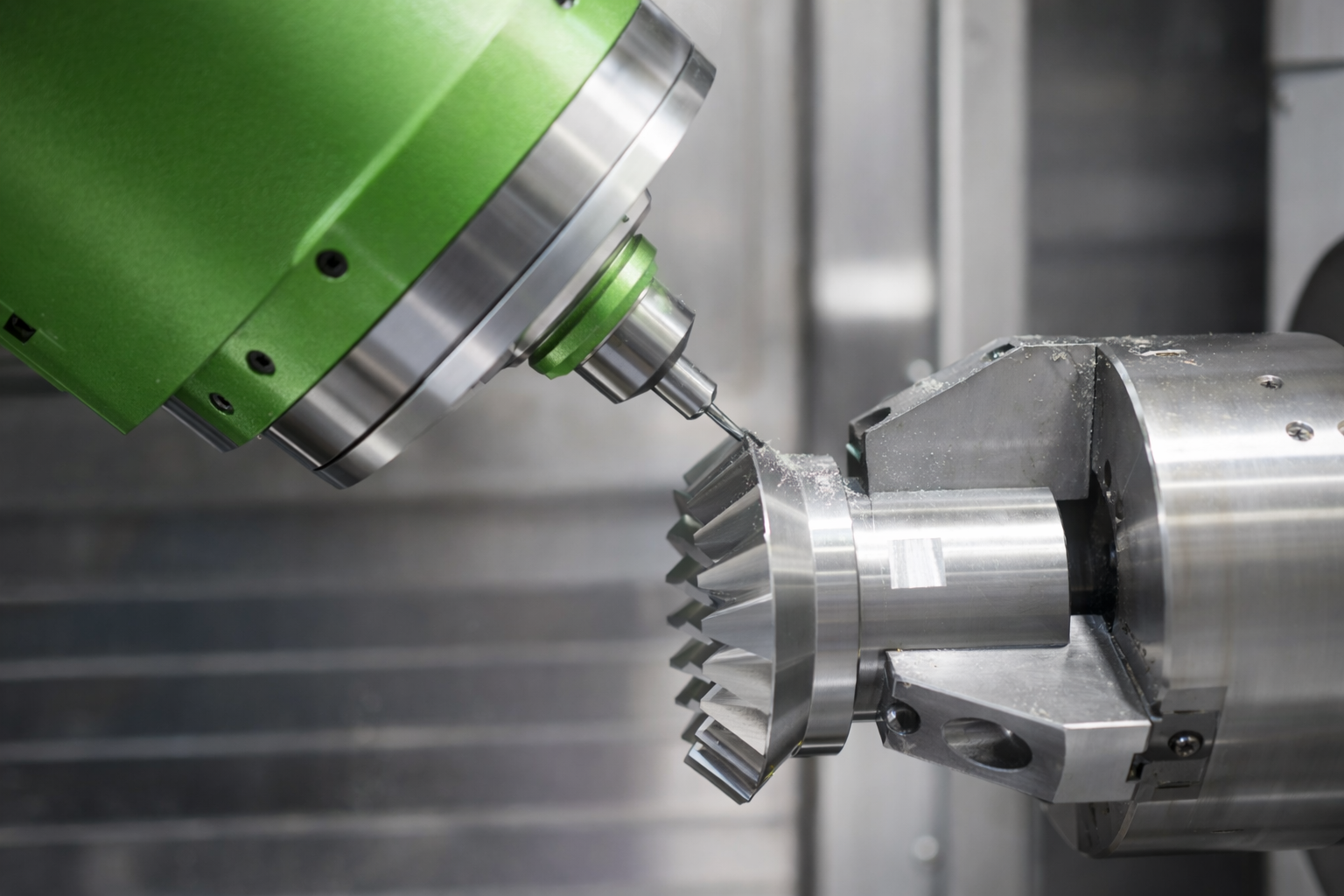
Desata una versatilidad sin límites: aplicaciones industriales especializadas.
La verdadera genialidad de un motor diseñado con maestría reside en su capacidad para adaptarse sin problemas y funcionar a la perfección en una amplia gama de sectores de fabricación. En el exigente y exigente mundo del procesamiento de metales, la rigidez estructural es fundamental. Ya sea que se trate de mecanizar placas gruesas de acero al carbono o de realizar fresados complejos de alta velocidad en 5 ejes sobre aleaciones de aluminio aeroespacial, nuestros motores especializados de alta resistencia absorben enormes fuerzas radiales sin inmutarse. Esta estabilidad inquebrantable evita que la herramienta de corte vibre, acelerando significativamente la tasa de remoción de material y, al mismo tiempo, preservando los delicados filos de corte de sus costosas fresas de carburo, que son fácilmente astillables.
Al integrarse a la perfección en el sector de la carpintería y la ebanistería de alta gama, la velocidad de rotación es fundamental para el éxito. El fresado de paneles compuestos abrasivos, melamina o el grabado de madera natural requieren motores de husillo de velocidad excepcionalmente alta para cortar las fibras de la madera de forma limpia e instantánea antes de que se astillen o se rompan. Nuestras unidades superan con creces a las máquinas de anidamiento de cabezales múltiples, ofreciendo acabados de borde impecables directamente desde la mesa, eliminando por completo la necesidad de un costoso lijado manual secundario. En los sectores de la fabricación de plásticos y acrílicos de precisión, el control de la generación de calor es un desafío constante. Gracias a nuestras variantes refrigeradas por agua y perfectamente equilibradas, la transferencia de calor ambiental a la zona de corte se reduce drásticamente, evitando por completo que el acrílico se funda y se adhiera a la fresa, lo que ahorra innumerables láminas de material costoso que de otro modo se desperdiciarían.
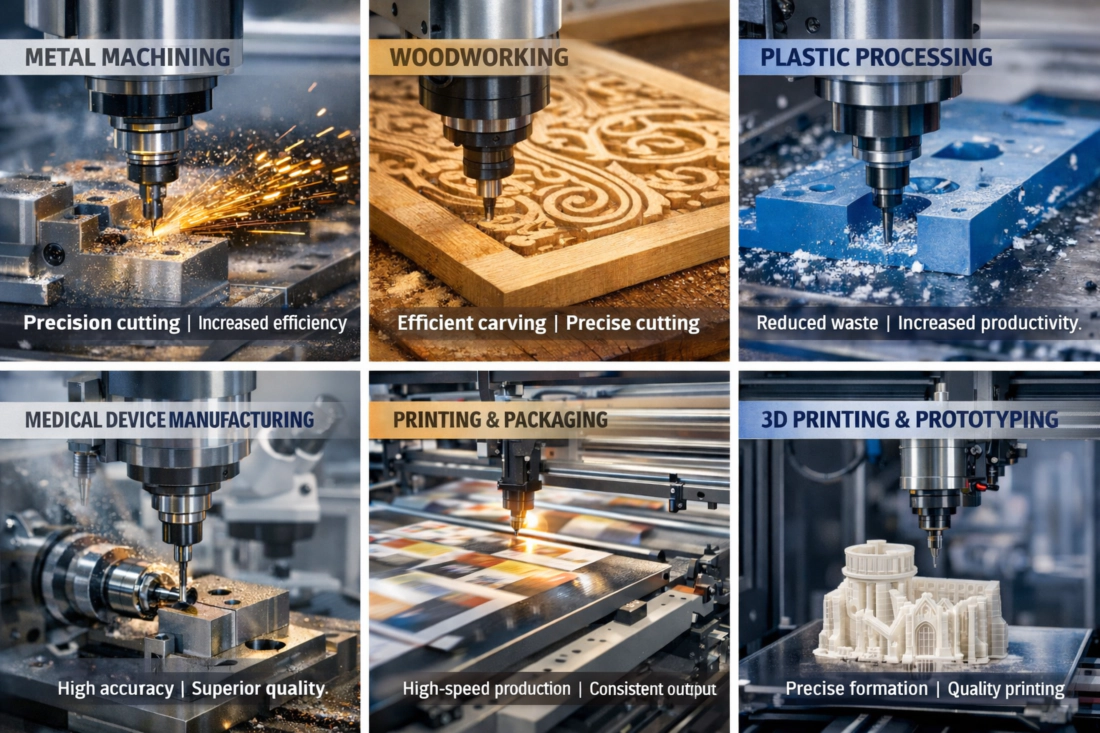
These versatile motors also drive incredible, life-changing innovations in highly niche, hyper-strict markets. In the sterile medical device manufacturing sector, where intricate surgical instruments and titanium bone implants are meticulously crafted, our ultra-low runout models guarantee the micron-level precision strictly required by global health authorities. Moving into the realm of high-speed printing and packaging lines, most printers don’t realize that the precise rotational accuracy of their cutting and scoring wheels is entirely dependent on a compact CNC spindle motor hidden within the chassis! We ensure those massive paperboard production runs remain perfectly consistent without jamming. Additionally, the booming 3D printing and rapid prototyping fields heavily utilize these exact drives for crucial subtractive post-processing, where freshly printed, slightly rough metal components are finely milled down to their exact, final functional tolerances.
La innegable ventaja de la ingeniería: por qué nuestros discos duros son líderes.
Analizar la compleja arquitectura interna de nuestros productos revela de inmediato y con claridad por qué son tan populares en los talleres mecánicos europeos. La principal ventaja reside en la brillante y armoniosa sinergia entre un rendimiento rotacional extremo y un consumo energético notablemente bajo. Al optimizar exhaustivamente las trayectorias del flujo magnético del estator durante la fase de diseño, garantizamos que prácticamente cada vatio de la costosa energía eléctrica consumida de la red de su planta se convierta instantáneamente en un par de corte altamente útil, en lugar de desperdiciarse ineficientemente en forma de calor. Este diseño inteligente y de alta eficiencia permite a los fabricantes de gran volumen aumentar drásticamente su producción diaria sin provocar un aumento desorbitado en sus costes energéticos mensuales.
La durabilidad inquebrantable bajo condiciones extremas está, literalmente, integrada en la propia carcasa de nuestros productos. Conscientes de lo exigente y sucia que puede ser una cabina CNC con refrigeración por inundación, nuestros motores incorporan tecnologías avanzadas de sellado laberíntico y opciones de purga por presión de aire positiva para repeler de forma activa y continua el polvo conductor, las virutas metálicas y los fluidos de corte altamente corrosivos, alejándolos de los rodamientos. El riguroso y meticuloso equilibrado dinámico del rotor, realizado en bancos de pruebas controlados por ordenador durante el montaje, garantiza una vibración operativa excepcionalmente baja. Esta atención al detalle no solo reduce el ruido en su planta de producción, sino que también protege activamente las pistas internas de los rodamientos contra el microdesgaste y resguarda la costosa estructura del pórtico CNC contra la fatiga del metal y las microfracturas con el paso del tiempo.
Aligning perfectly with strict Dutch eco-initiatives and forward-thinking sustainability goals, our environmentally conscious designs guarantee incredibly low acoustic pollution signatures and utilize raw materials entirely free from restricted, toxic heavy metals. This universal, eco-friendly applicability ensures our drives can be effortlessly and legally retrofitted onto older, legacy routing tables or wired directly into brand new, state-of-the-art robotic work cells without friction. Paired with our uncompromising, highly responsive aftermarket support team that treats your production downtime as a top-tier emergency, it is crystal clear why our drive systems are the premier, trusted choice for demanding engineers seeking a Spindle Motor with High Efficiency for Cost-Effective Use.
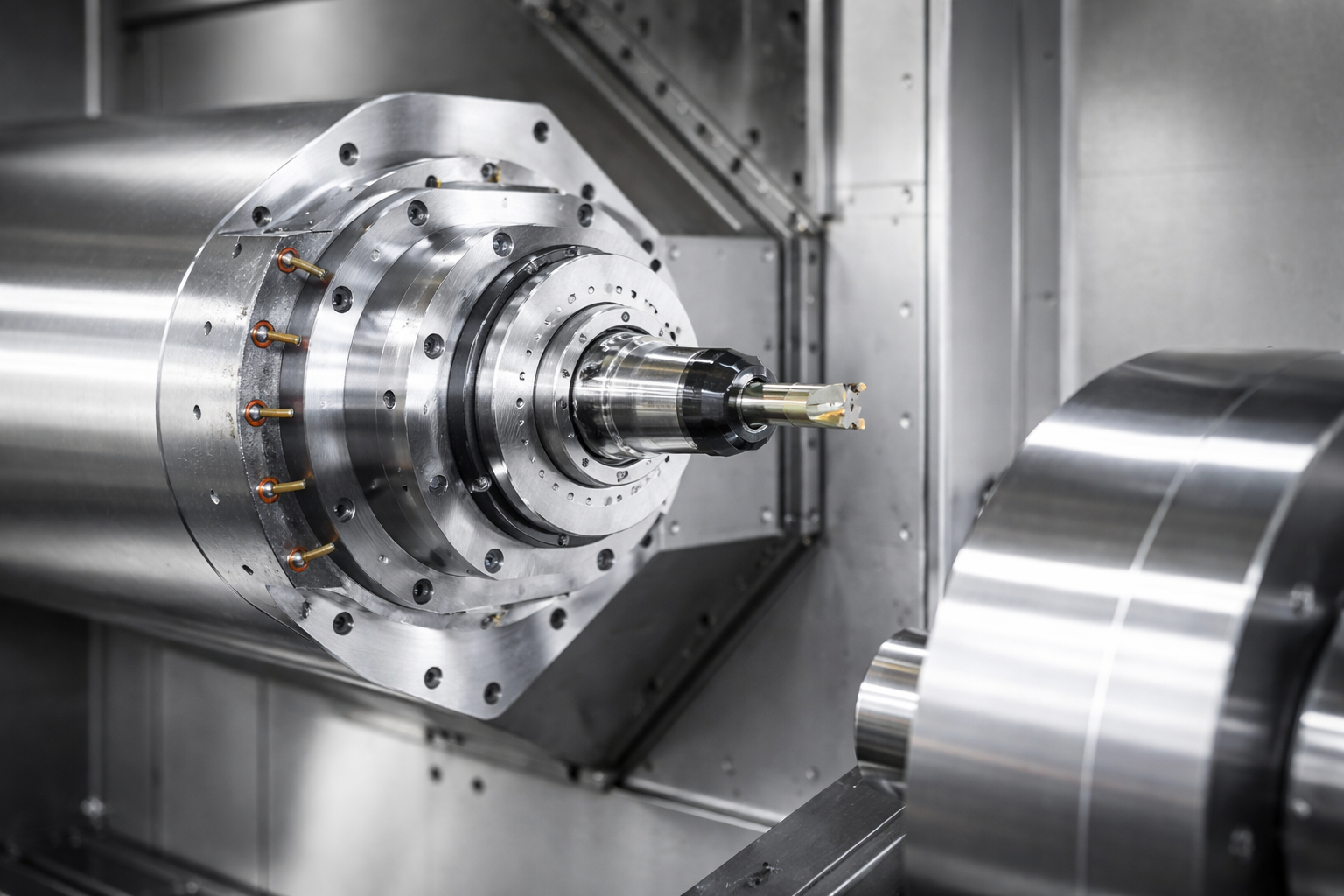
¿Listo para revolucionar fundamentalmente sus capacidades de mecanizado?
Integrating a masterfully calibrated, highly efficient CNC spindle motor is arguably the single most effective, high-ROI hardware decision you can make today to guarantee absolute cutting accuracy, rapidly multiply your factory throughput, and fiercely safeguard your long-term profitability. Stop allowing outdated, violently vibrating equipment to dictate your production schedule!
Expert FAQ: Troubleshooting, Selection & Maintenance
¿Cómo puedo seleccionar con precisión el mejor motor de husillo para mi máquina CNC específica?
La selección adecuada exige una evaluación rigurosa y realista de la dureza típica del material que se procesa a diario, los diámetros de las herramientas y la capacidad de amperaje del variador de frecuencia (VFD) de la planta. Si en el taller se procesa habitualmente acero al carbono de gran espesor, es necesario seleccionar un motor especialmente diseñado para generar un par motor elevado a bajas revoluciones por minuto (lo que generalmente requiere una carcasa de mayor tamaño y una potencia nominal en kW superior). Para el mecanizado rápido de plásticos blandos, espumas o maderas, los motores de husillo de alta velocidad (que giran entre 18 000 y 24 000 RPM) con menor potencia nominal en kW son muy superiores. Asegúrese siempre de que su variador de frecuencia actual pueda suministrar el amperaje continuo máximo requerido por el nuevo motor sin que se activen sus alarmas térmicas internas.
¿Cómo puedo diagnosticar con precisión si el motor de mi husillo está empezando a fallar?
Un motor averiado casi siempre emite claras señales de advertencia auditivas y térmicas mucho antes de que se bloquee por completo y de forma catastrófica en el pórtico. La señal de alarma más común es un cambio repentino y distintivo en el tono: un zumbido agudo y estridente o un ruido metálico y áspero indica claramente que las delicadas jaulas de los rodamientos cerámicos se están desintegrando en su interior. También debe tocar con cuidado la carcasa exterior después de un ciclo; un calor excesivo localizado cerca de la tapa inferior de la nariz indica una fricción interna intensa. Por último, si sus acabados superficiales, antes impecables, muestran de repente marcas de vibración profundas y antiestéticas, la excentricidad del husillo ha aumentado drásticamente debido al desgaste mecánico de los rodamientos, lo que indica la necesidad inmediata de reemplazarlos.
¿Cuál es la diferencia operativa práctica entre los husillos refrigerados por agua y los refrigerados por aire?
La principal diferencia radica en sus respectivos métodos de disipación de calor. Los sistemas refrigerados por agua utilizan un enfriador industrial externo para bombear un flujo continuo de fluido a través de una carcasa exterior sellada. Son extraordinariamente silenciosos y mantienen una estabilidad térmica extrema durante operaciones de fresado ininterrumpidas de 24 horas, pero, naturalmente, requieren bombas externas, depósitos y mantenimiento rutinario del fluido. Los modelos refrigerados por aire, por el contrario, utilizan un ventilador impulsor montado en un eje para soplar con fuerza aire ambiente a través de la carcasa. Son increíblemente prácticos, no requieren ninguna instalación de fontanería y son totalmente inmunes a las temperaturas bajo cero del invierno, aunque operan a niveles de decibelios significativamente más altos y pueden dispersar polvo fino del taller por todas partes.
¿Cómo es un programa de mantenimiento riguroso y profesional para el motor del husillo?
El mantenimiento preventivo y riguroso del motor del husillo es fundamental para prolongar al máximo la vida útil de los componentes. Diariamente: los operarios deben usar un paño cónico especializado sin pelusa para limpiar a fondo el interior del cono y la pinza; el polvo microscópico que queda atrapado allí provoca una excentricidad considerable de la herramienta. Semanalmente: verifique que los ventiladores de refrigeración del variador de frecuencia no estén obstruidos y revise minuciosamente el depósito del enfriador de agua para detectar cualquier acumulación de algas o virutas metálicas. Mensualmente: conecte un comparador de cuadrante de alta precisión a un pasador de prueba de tierra insertado en la pinza para medir y registrar con precisión la excentricidad del eje, haciendo un seguimiento detallado de la degradación de los rodamientos a lo largo del tiempo.
¿Cómo puedo prolongar drásticamente la vida útil de mi motor de husillo?
El truco profesional más efectivo que puedes implementar es aplicar una macro de calentamiento estricta y obligatoria. ¡Nunca, bajo ninguna circunstancia, fuerces un husillo frío a 24 000 RPM de inmediato! Programa tu máquina para que funcione a una velocidad de 25% durante tres minutos, luego aumenta a 50% y finalmente a 75%. Este aumento gradual permite que la grasa interna de alta velocidad se derrita, se distribuya uniformemente en las pistas de los rodamientos y alcance su punto óptimo de expansión térmica de forma segura. Además, nunca uses aire comprimido de alta presión para eliminar el polvo del sello del eje inferior; esta acción imprudente introduce micropartículas altamente abrasivas que atraviesan el sello protector y penetran directamente en los delicados rodamientos, dañándolos desde el interior.