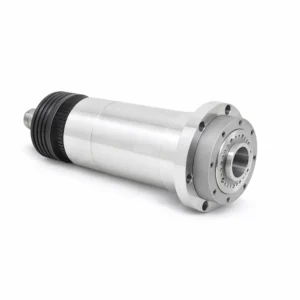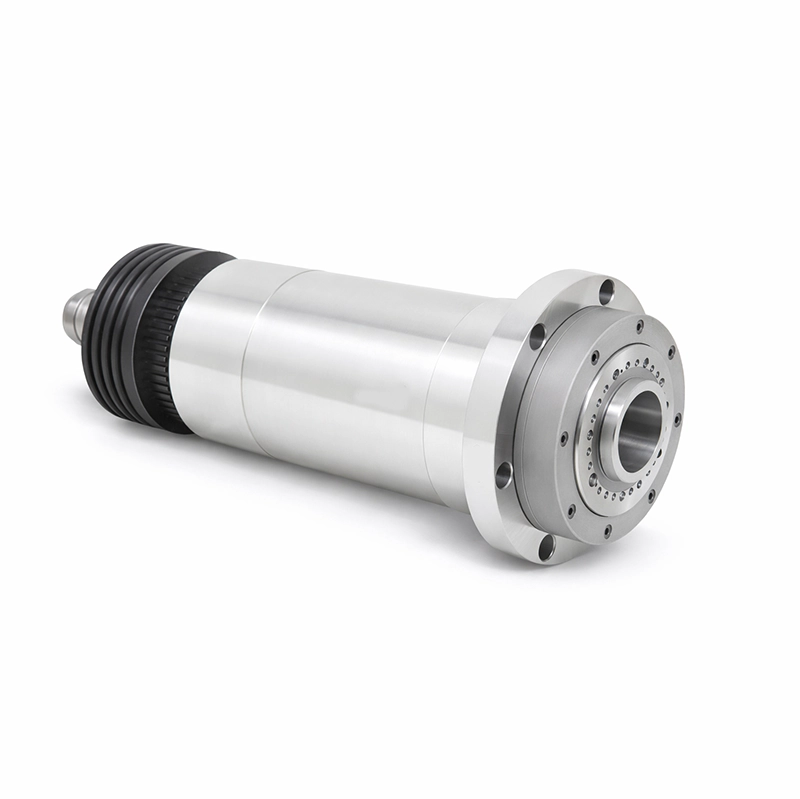
Descripción
Dutch metalworking demands top-tier CNC spindle motor solutions to handle everything from stainless steel to titanium without compromise. In our experience, many outfits grapple with subpar motors that lead to uneven cuts and wasted stock, but the right high-speed spindle motors change that narrative. This exploration highlights how these motors excel in metal applications, geared toward the Netherlands’ emphasis on innovative, durable tech.
What is a Spindle Motor?
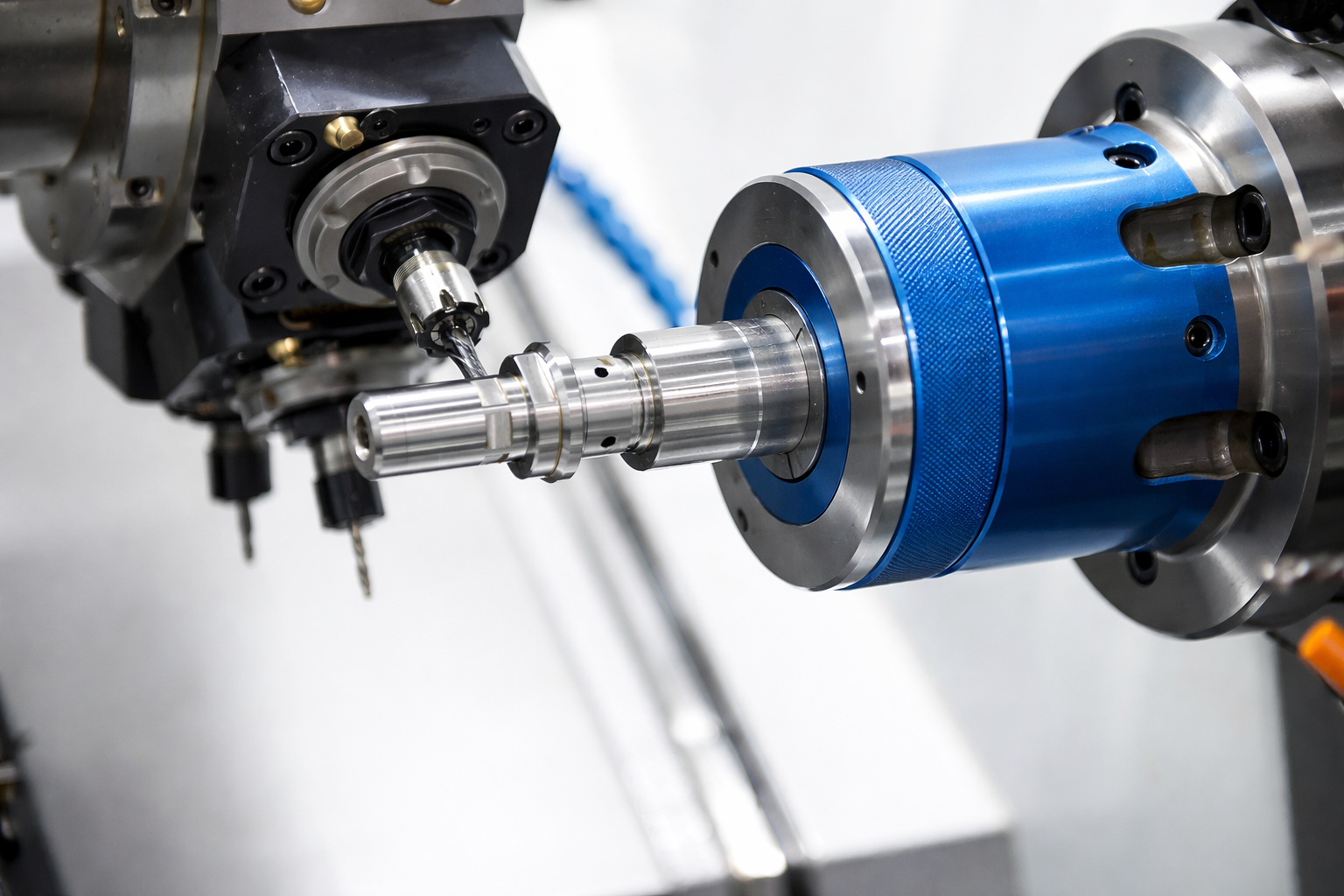
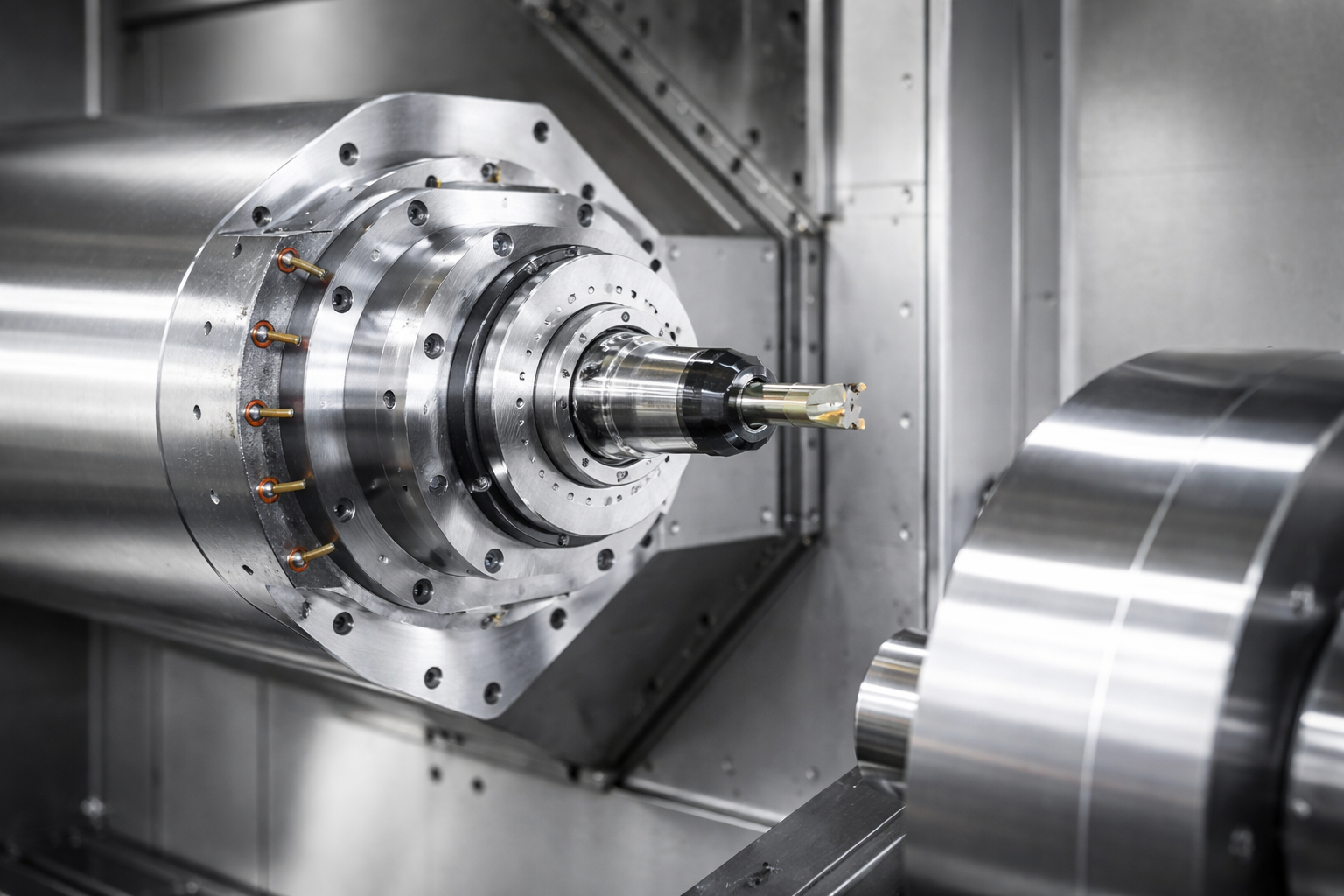
A spindle motor serves as the powerhouse in CNC setups, rotating tools at high speeds to carve, mill, or drill materials accurately. It transforms electrical input into rotational force via internal components – basically, the driving force behind your machine’s productivity. We’ve seen how grasping this fundamentals helps teams optimize their workflows in metal-focused environments.
At its core, the mechanism involves coils and magnets generating fields that spin the shaft, converting volts into torque efficiently for demanding cuts. Electricity energizes the stator, inducing motion in the rotor; simple in theory, yet engineered for endurance in industrial settings. Most operators overlook how this efficient conversion reduces energy loss, vital for extended metalworking sessions.
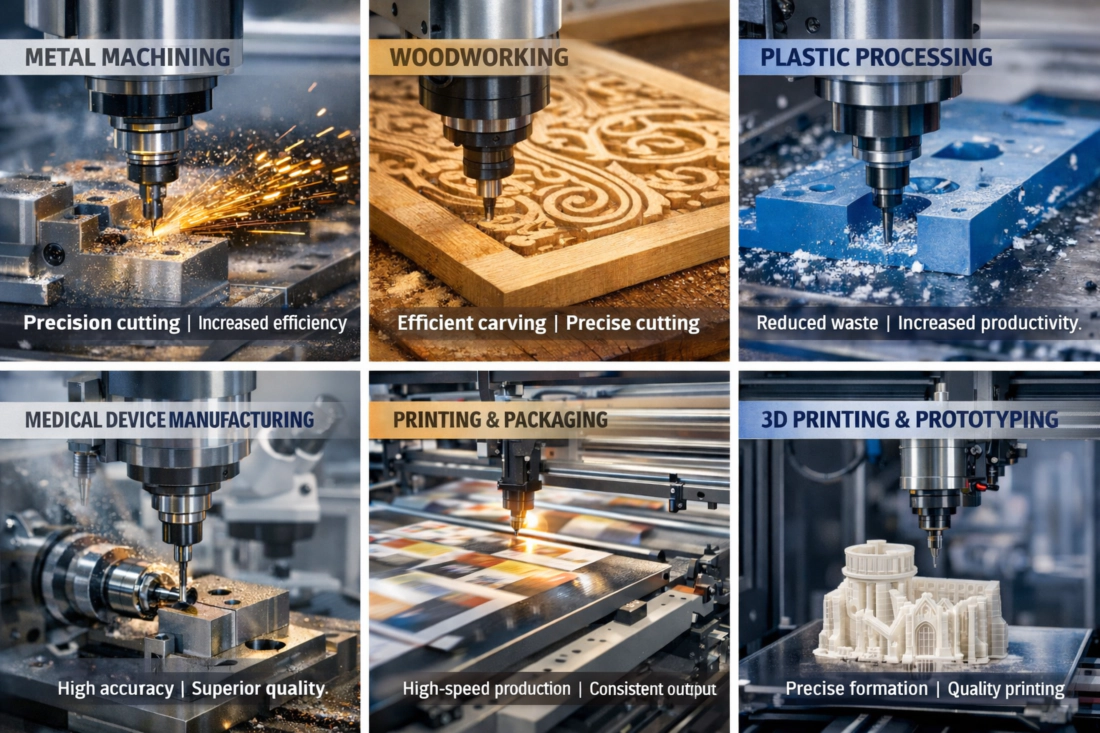
Applications span metalworking for robust milling, woodworking in detailed carvings, and plastics for mold shaping – but in metal, it shines by managing heat and stress from abrasive tasks. In the Netherlands, with its precision engineering hub, these motors support automotive and aerospace fabrication seamlessly.
Key Factors to Consider When Choosing a Spindle Motor
Start with power and torque; underspec, and you’ll face stalls on hard metals, while excess drains resources unnecessarily. We’ve observed matching these to your cut depths – for alloys, higher torque ensures consistent penetration without bogging down. Guide-wise, factor in horsepower against material resistance: aim for 7-20 kW in heavy metal ops.
RPM influences finish quality profoundly; too low, and surfaces roughen, too high risks tool breakage on brittle steels. Tailor to material – softer metals like brass thrive at 15,000+ RPM for smooth results. In our experience, variable controls offer the flexibility needed for mixed jobs.
Cooling choices matter: water systems excel in dissipating buildup during marathon metal runs, though piping adds hassle, versus air-cooled’s simplicity but limited heat handling. The trick? Evaluate your ambient temps – humid Dutch shops might favor water to prevent condensation issues.
Accuracy and steadiness are non-negotiable in premium metal CNC; seek sub-0.01mm runout for flawless tolerances. Integrated feedback loops maintain this, catching variances promptly.
Durability links to upkeep – lubricate bearings bi-monthly, inspect seals quarterly to curb downtime. Most don’t realize neglecting this halves lifespan; schedule proactive checks to keep production humming.
| Factor | Importance in Metalworking | Suggested Specs |
|---|---|---|
| Power/Torque | Handles dense metals | 10-25 kW / 20-50 Nm |
| RPM | Optimizes cut quality | 10000-30000 RPM |
| Cooling | Sustains long runs | Water for heavy duty |
| Precision | Ensures tolerances | <0.005mm runout |
Special Demands in the Dutch Market
Netherlands’ manufacturing thrives on precision and innovation, with CNC metalworking fueling exports in machinery and components. Market needs lean toward efficient, scalable equipment that supports smart industry trends – we’ve noted a surge in demand for adaptable spindle motors here.
Local priorities include unwavering reliability, green credentials, and peak performance to align with eco-regs and cost controls. Our high-performance spindle motors meet this by incorporating energy-saving features and robust builds for minimal environmental impact.
Standards-wise, CE compliance is standard, alongside EU directives for safety and emissions – our products exceed these, ensuring seamless integration in regulated Dutch ops.
A Utrecht metal fabricator noted: “These spindle motors transformed our milling line; no more heat-related pauses, just steady output.” From a Haarlem workshop: “Durability in abrasive conditions is impressive – cut our maintenance by 40%.” And a Groningen operator added: “Precision for tight specs, with support that’s genuinely helpful.”
Your Guide to Buying with Us
Our edge comes from superior efficiency and accuracy tech, perfectly suiting Dutch and EU metalworking needs – high-speed spindle motors that deliver unwavering performance under pressure.
Post-purchase, count on comprehensive support: training for installs, ongoing troubleshooting, and maintenance plans to safeguard your operations.
Boasting ISO 9001 and CE certs, plus cases like a Dutch auto parts maker boosting yield 30%, we build confidence through proven results.
We specialize in bespoke spindle motors, tweaking for unique metal apps like exotic alloys or high-volume runs.
Streamlined logistics mean fast shipments from ample stock, trimming delays that could halt your metal production.
Application Scenarios: Spindle Motor in Various Industries
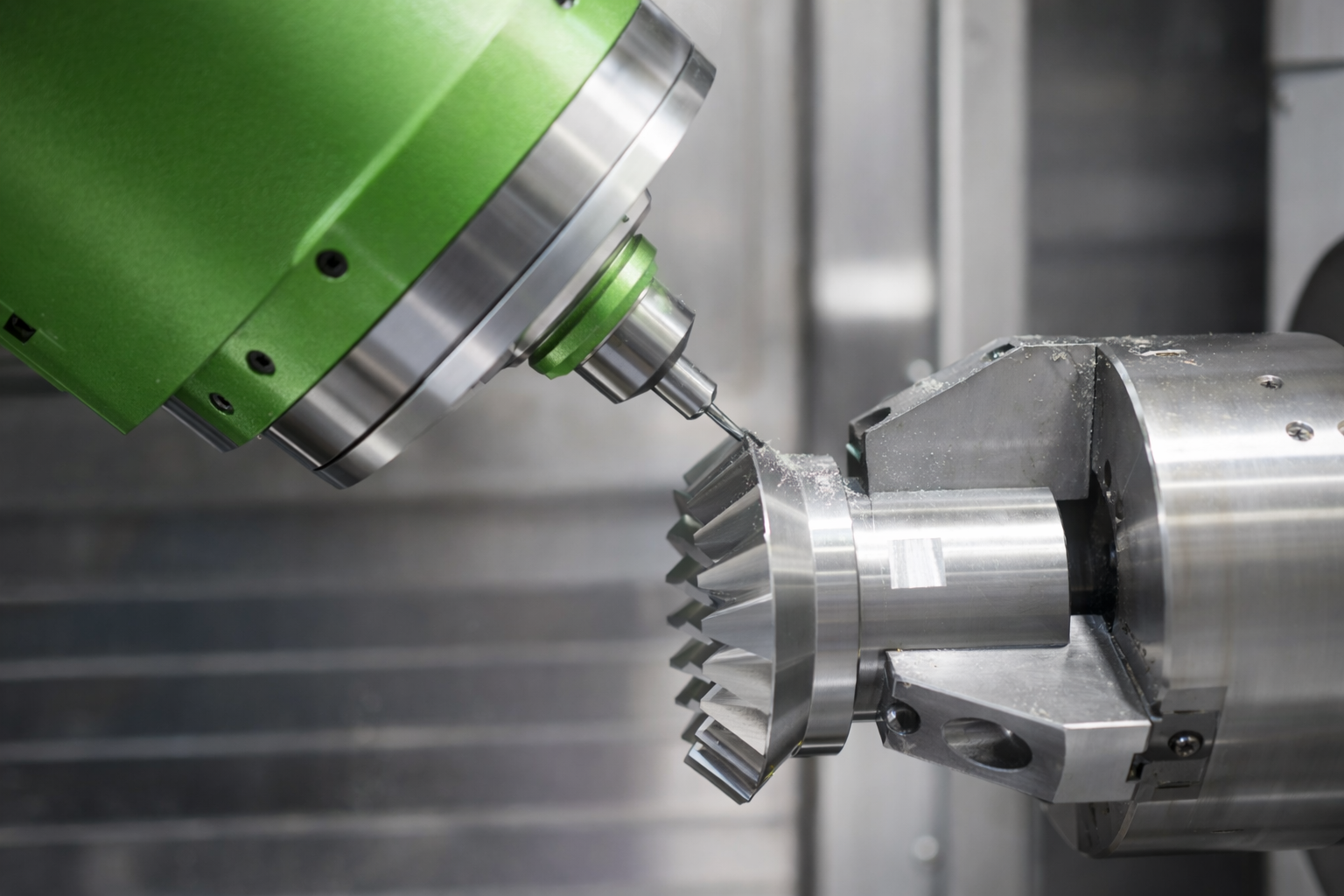
Metalworking sees these motors excel in cutting and milling, enhancing precision on steels and boosting efficiency by reducing cycle times – ideal for high-volume parts with zero defects.
In woodworking, they provide clean, accurate cuts for intricate designs, ramping up speed without sacrificing detail.
Plastics benefit from steady torque that minimizes waste, streamlining molding and extrusion for better yields.
Medical manufacturing relies on their accuracy for device components, ensuring sterility and exact fits crucial for health tech.
Printing and packaging leverage high speeds for consistent runs, accelerating output in fast-paced lines.
3D printing uses their stability for precise layers, vital in prototyping complex metal structures.
Product Advantages: Why Choose Our Spindle Motor?
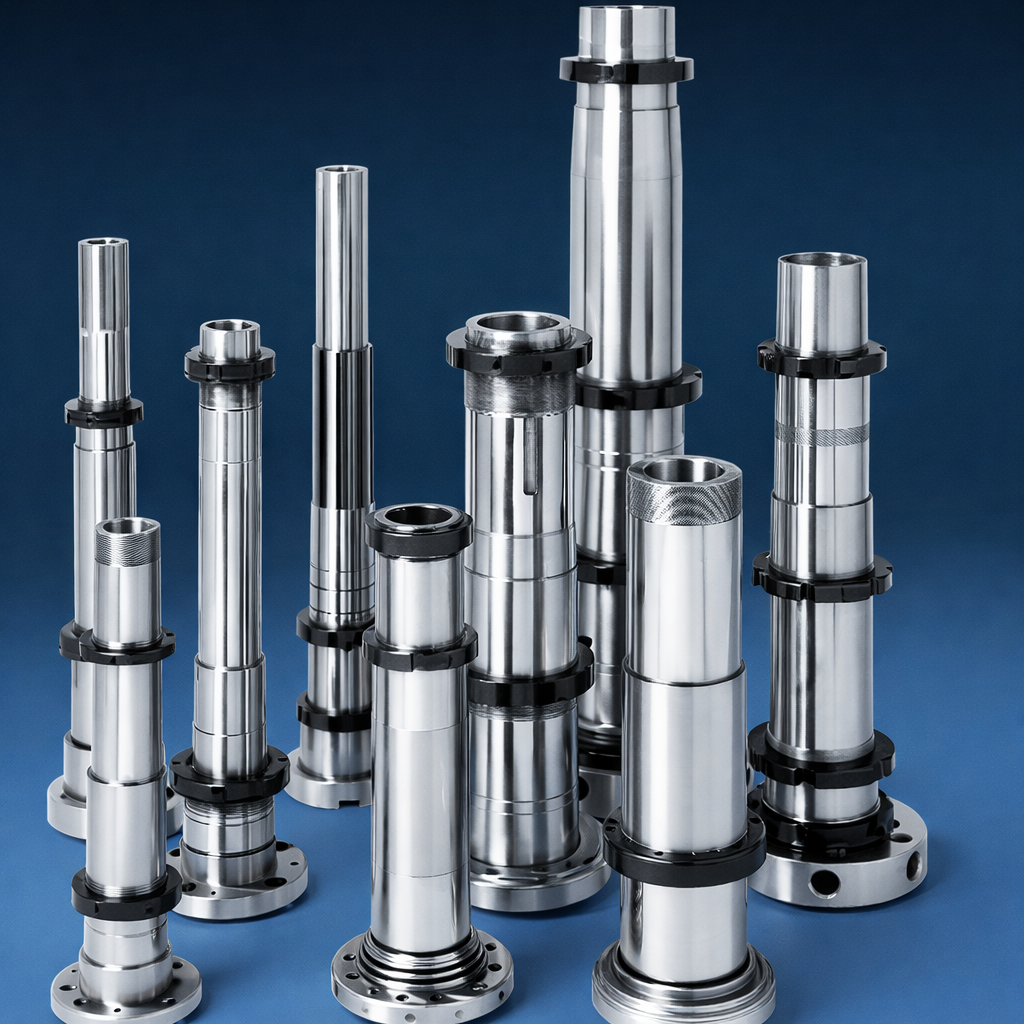
Peak performance with minimal energy draw defines our motors, offering rapid spins and exact control to trim costs in metal ops.
Built tough with premium alloys, they withstand gritty environments, dropping failures significantly.
Advanced controls dampen shakes, guaranteeing spot-on accuracy for intricate metalwork.
Green engineering meets EU standards, with quiet operation and low emissions fitting Dutch sustainability pushes.
Adaptable across CNC platforms, with custom options for specialized metal tasks.
Outstanding service ensures your setup stays optimized, from setup to long-term care.
Take the Next Step
High-performance spindle motors redefine metalworking by sharpening accuracy, accelerating processes, and enhancing productivity in rigorous settings.
Connect with us now for personalized options, tech guidance, or detailed discussions – elevate your metalworking today!
Frequently Asked Questions
How to choose the right spindle motor for my CNC machine?
Begin with evaluating your metalworking demands, such as alloy types and cutting depths. We’ve noticed that aligning power ratings with torque needs avoids slowdowns on dense materials. Ensure it fits your machine’s interface, and pick cooling based on shop conditions – water for intense sessions, air for versatility. In our experience, consulting specs against real-world tests seals the deal.
How can I tell if my spindle motor is failing?
Watch for excessive vibrations that could indicate worn bearings, or rising temperatures suggesting cooling failures. Unusual sounds like humming or screeching often point to misalignment. Most metalworkers don’t catch RPM drops soon enough, which signal electrical issues. Keep an eye on current usage spikes too.
What’s the difference between water-cooled and air-cooled spindles?
Water-cooled models dissipate heat efficiently in high-load metalworking, preventing thermal distortion, but need extra plumbing. Air-cooled are easier to set up and move, yet may struggle in prolonged heavy cuts. The trick lies in your duty cycle – we’ve observed water systems outperform in non-stop ops.
What’s the typical maintenance schedule for a spindle motor?
Daily wipes to remove metal shavings and lube checks prevent buildup, with bi-weekly inspections for belt tension. In our experience, semi-annual overhauls by pros extend reliability. Tailor to your usage; abrasive environments demand tighter schedules to sidestep breakdowns.
How can I extend the lifespan of my spindle motor?
Maintain cleanliness to fend off contaminants, balance tools precisely to cut vibrations. Stick to recommended loads and lubricate regularly. We’ve found logging operational hours spots trends early – why wait for failure when prevention is straightforward?