Descripción
Igniting Efficiency in Your Machining Operations
Most machine operators don’t realize how drastically a simple, calculated equipment upgrade can completely revolutionize their entire shop floor. In our experience, clinging to outdated driving mechanisms inevitably leads to higher operational costs, frequent micro-stops, and inconsistent product quality (which, let’s be honest, is the absolute last thing anyone wants when facing a tight production schedule). Selecting the appropriate CNC spindle motor serves as the beating heart of any machining setup—it literally dictates the pace, the precision, and the overall profitability of your cutting, milling, or engraving workflows.
Whether you are running a high-volume manufacturing plant or overseeing equipment procurement for delicate, high-precision engineering tasks across the Netherlands, finding that elusive sweet spot between cost-effectiveness and uncompromising quality is absolutely vital to your bottom line. The trick is understanding that an affordable CNC spindle motor doesn’t mean cheap materials; it means engineered value and optimized design. When you equip your specialized machinery with the best spindle motor suited specifically for your daily materials, you immediately notice a sharp spike in production efficiency and a steep drop in frustrating downtime. We’ve seen shop floors nearly double their flawless output just by optimizing their motor selection, proving that the right rotational power can transform raw materials into masterpieces seamlessly.
Unpacking the Core: What is a Spindle Motor?
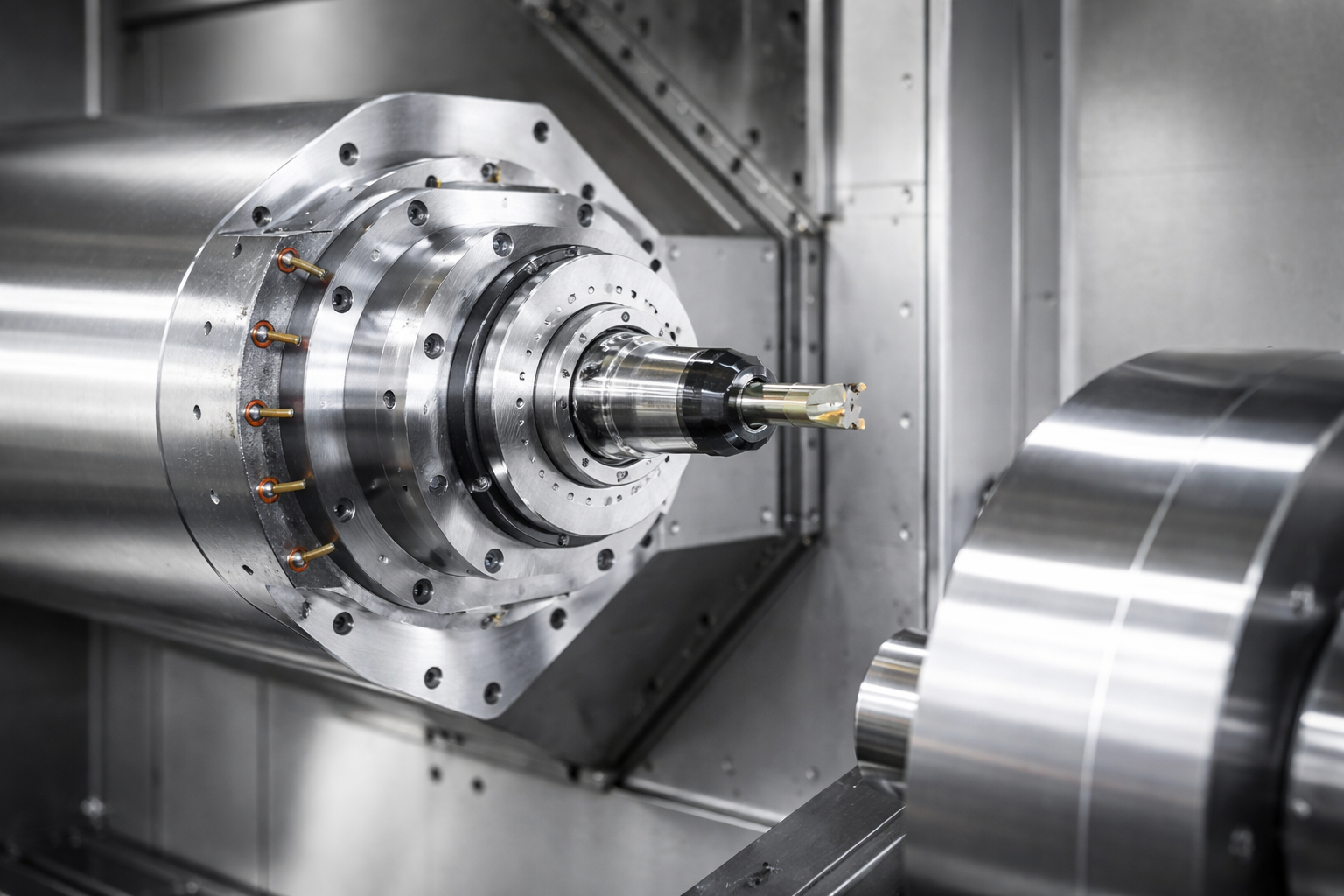
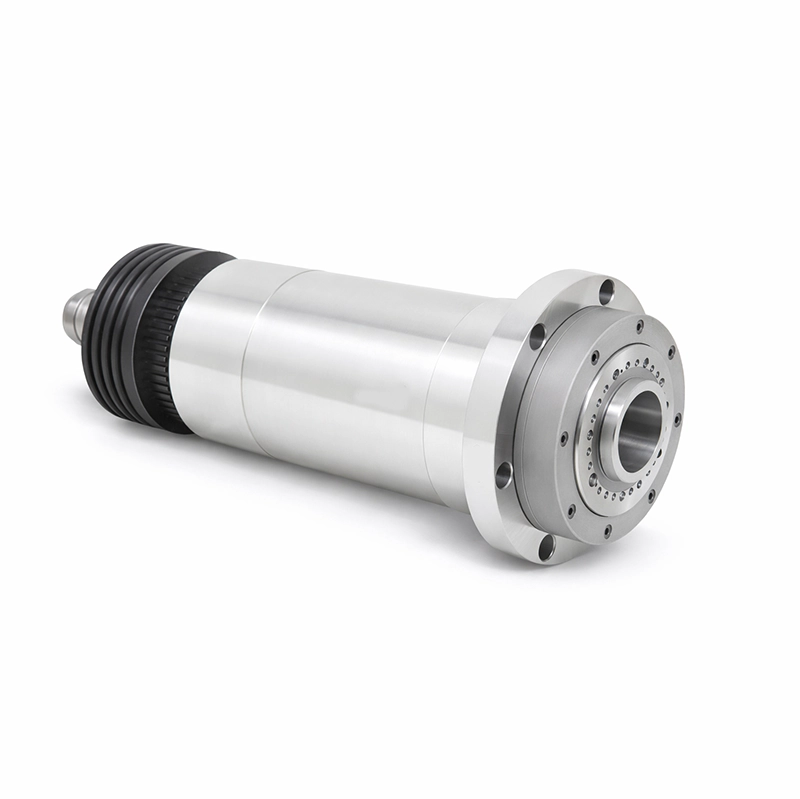
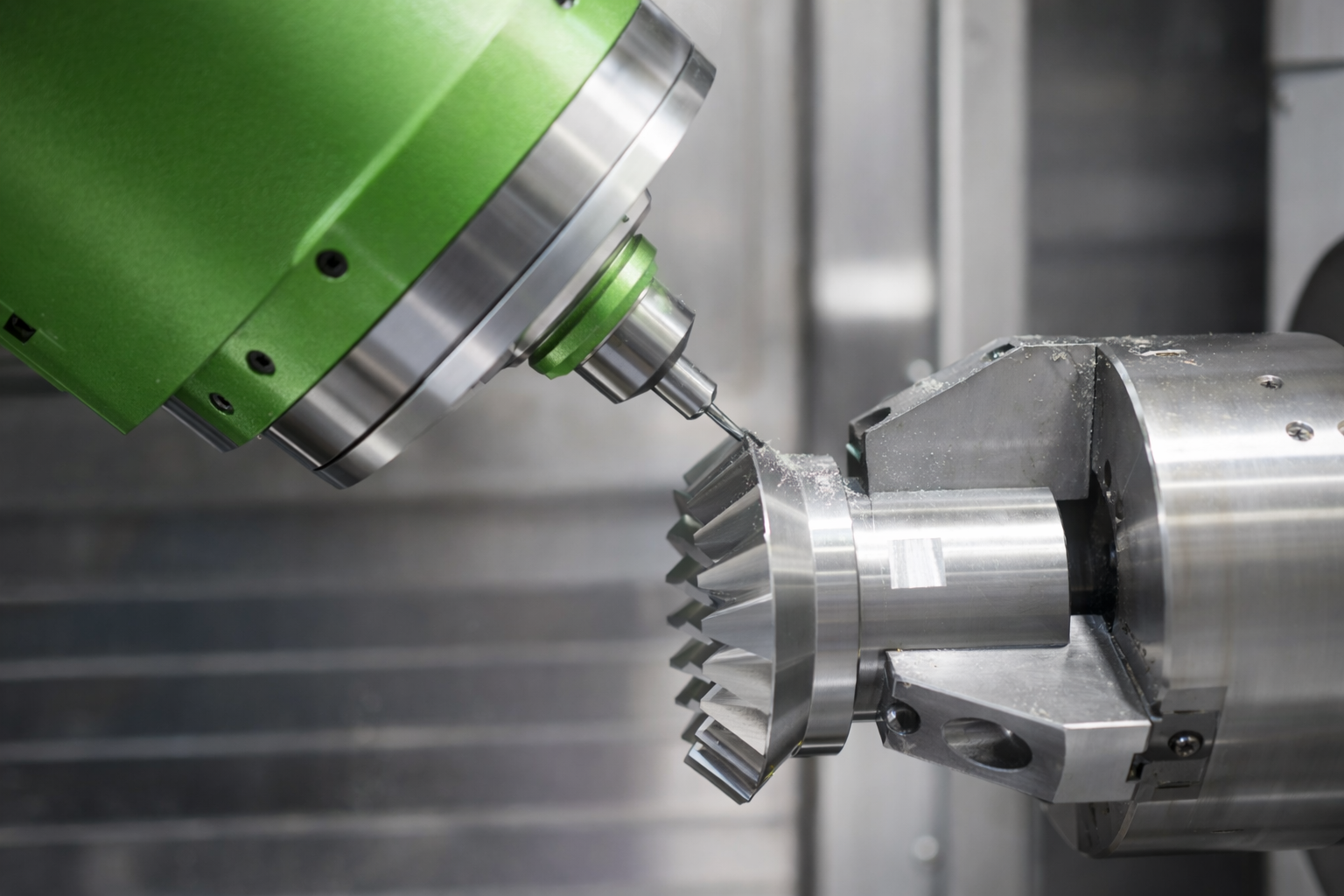
Diving right into the mechanics, a CNC spindle motor is essentially a high-precision, high-frequency electric motor specifically designed to rotate a cutting tool or the workpiece itself at incredible speeds. Unlike standard induction motors that power your everyday household appliances, these industrial workhorses are meticulously engineered to handle extreme radial and axial loads while maintaining pinpoint accuracy. The fundamental working principle revolves around converting electrical energy from a Variable Frequency Drive (VFD) into dynamic mechanical energy. The VFD manipulates the frequency of the electrical current, which directly controls the rotational speed of the magnetic field inside the stator, seamlessly pulling the rotor along at speeds that can easily exceed 24,000 RPM.
This remarkable conversion of power is what effortlessly drives the tool through dense metals, dense hardwoods, or modern composites. We see these sophisticated motors acting as the central nervous system in a vast array of commercial applications. From heavy-duty metal fabrication and aerospace component machining to intricate woodworking and large-scale plastic molding, the CNC spindle motor is the defining factor that separates a flawless, mirror-like finish from a rough, rejected batch of parts. Without this highly tuned rotational force, modern automated manufacturing would literally grind to a halt.
Critical Factors for Selecting Your Ideal Setup
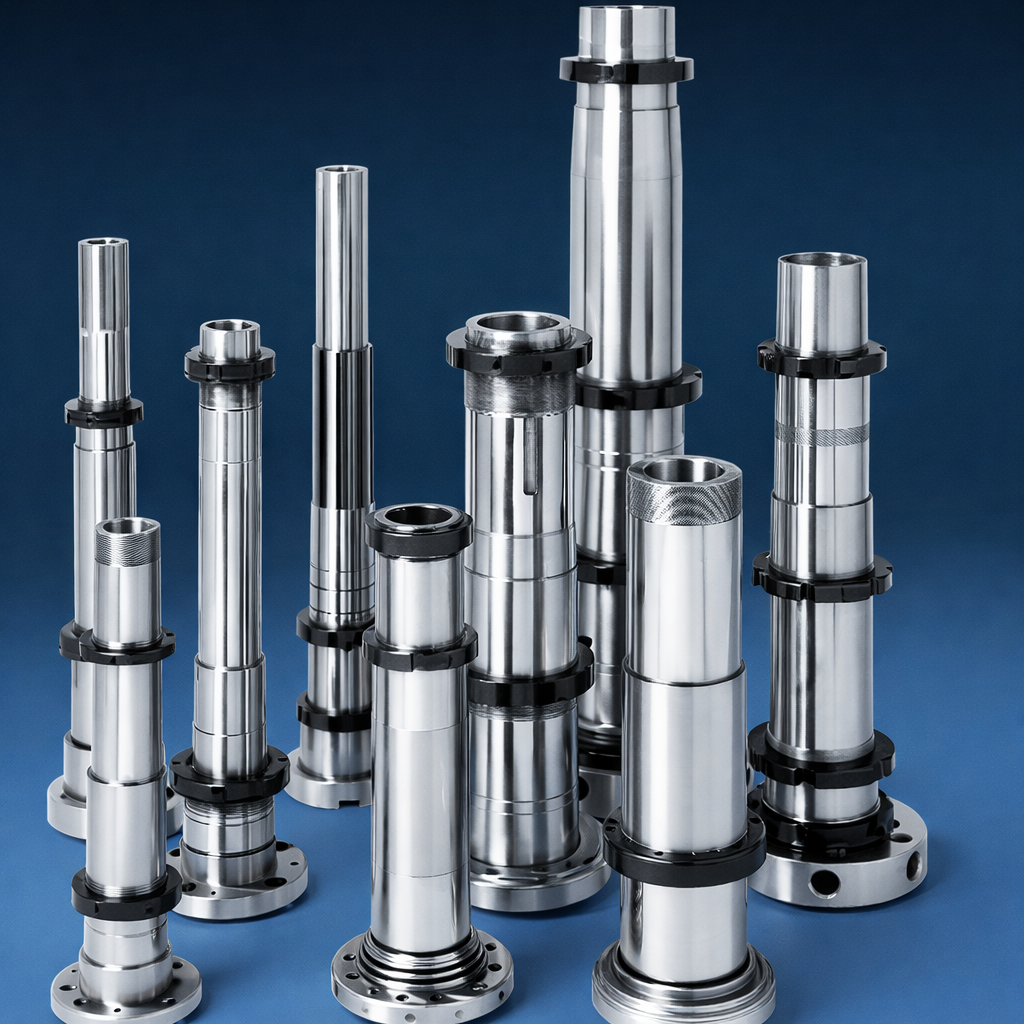
Navigating the technical specifications of high-speed spindle motors can feel overwhelming, but breaking it down into practical operational needs makes all the difference. The very first element to scrutinize is the delicate balance between power (kW) and torque (Nm). High power alone isn’t a magic bullet! If you are hogging out thick aluminum or steel, you need substantial low-end torque to prevent the tool from stalling inside the material. Conversely, if you are engraving delicate plastics, a lower torque but incredibly high-speed profile is far more beneficial. Getting this match wrong is a common pitfall we’ve seen entirely too often.
Rotational speed, measured in RPM, is another absolute dealbreaker. The optimal RPM is dictated entirely by the material’s density and the cutting tool’s diameter. Pushing a large cutter at excessive speeds through hardened steel will instantly destroy your tooling, while running a tiny endmill too slowly through wood will cause burning and tear-out. Then comes the great debate: cooling systems. A water-cooled spindle motor utilizes an external pump to circulate coolant, maintaining a remarkably stable temperature during grueling 24/7 operations, which makes it incredibly quiet and efficient. Air-cooled alternatives, however, rely on an internal fan—they are louder and run slightly hotter, but they eliminate the need for cumbersome plumbing and coolant maintenance, making them ideal for environments where freezing temperatures or space constraints are an issue.
Beyond power and cooling, precision and stability are non-negotiable. The runout (the tiny wobble of the tool) must be measured in microns. Even a fraction of a millimeter of runout will drastically reduce tool life and ruin the surface finish of high-end parts. Addressing lifespan and ongoing CNC spindle motor maintenance is equally vital. Regular inspection of the ceramic bearings, ensuring clean collets, and monitoring vibration signatures can extend the life of your motor by thousands of hours, effectively turning a simple purchase into a long-term, high-yield investment.
Meeting the Unique Demands of the Dutch Market
The manufacturing landscape in the Netherlands is highly advanced, deeply rooted in precision engineering, and heavily focused on sustainable, smart industry practices. Dutch machining hubs, particularly around regions like Brainport Eindhoven, demand equipment that pushes the boundaries of innovation while remaining fiercely reliable. The market here doesn’t just ask for a motor that spins; they require intelligent, high-efficiency systems that integrate seamlessly into automated, data-driven production lines. Dutch operators prioritize energy efficiency and low environmental impact, meaning that motors with high electrical-to-mechanical conversion rates are heavily favored to keep carbon footprints and electricity bills minimized.
Compliance is entirely rigid in this region. Any equipment entering the Dutch workspace must strictly adhere to rigorous European standards. CE certification is absolutely mandatory, ensuring the product meets all health, safety, and environmental protection directives. Our models strictly comply with these stringent regulations, featuring advanced electromagnetic compatibility (EMC) to prevent interference with other sensitive factory sensors, and utilizing RoHS-compliant materials to ensure eco-friendly disposal at the end of their remarkably long life cycle. We understand that Dutch procurement managers look for a paper trail of quality just as much as they look for performance.
What Our Dutch Clients Are Saying
“We integrated the 2.2kW water-cooled model into our custom furniture line in Utrecht. Honestly? The noise reduction alone was worth the investment, but the continuous 18-hour shifts without overheating is what really impressed our floor manager.” — Sander V., Production Lead
“Finding an affordable CNC spindle motor that doesn’t compromise on bearing quality was tough until we found this range. The CE documentation was flawless, which made our safety auditors very happy. Cut our aluminum milling time down by 15%.” — Maarten K., CNC Shop Owner
“In our experience, most budget spindles vibrate too much for precision acrylic work. The trick is the dynamic balancing these guys use. We get glass-like edge finishes right off the machine now, zero polishing needed!” — Anouk D., Fabrication Specialist
Buyer’s Guide: Forging a Reliable Partnership
Choosing where to source your machinery components is just as critical as the hardware itself. Our technological edge is forged through years of relentless R&D, specifically tailored to meet the exacting standards of the European landscape. We utilize imported, ultra-precision ceramic angular contact bearings in our high-speed spindle motors, which dramatically reduces thermal expansion and ensures the shaft remains perfectly centered even at 24,000 RPM. This isn’t just about throwing specs at a wall; it’s about providing a genuinely robust solution that keeps your production lines humming without interruption.
We firmly believe that a transaction is just the beginning of our relationship. Our after-sales support ecosystem is designed to be proactive rather than reactive. We provide comprehensive installation guidance, detailed VFD parameter tuning charts, and ongoing technical consultations to ensure your team extracts every ounce of performance from the equipment. Backed by internationally recognized ISO quality management systems and full CE certifications, our track record is built on tangible trust and proven longevity in harsh industrial environments.
Furthermore, we recognize that no two factories are identical. Our bespoke customization services allow clients to specify everything from unique mounting flanges to specific connector types, ensuring drop-in replacements that require zero machine modifications. Paired with our streamlined European logistics network and robust inventory management, we can dramatically slash lead times. When a machine goes down, you don’t have weeks to wait; our rapid delivery protocols ensure that an affordable CNC spindle motor reaches your loading dock exactly when you need it.
Versatility in Motion: Industry Applications
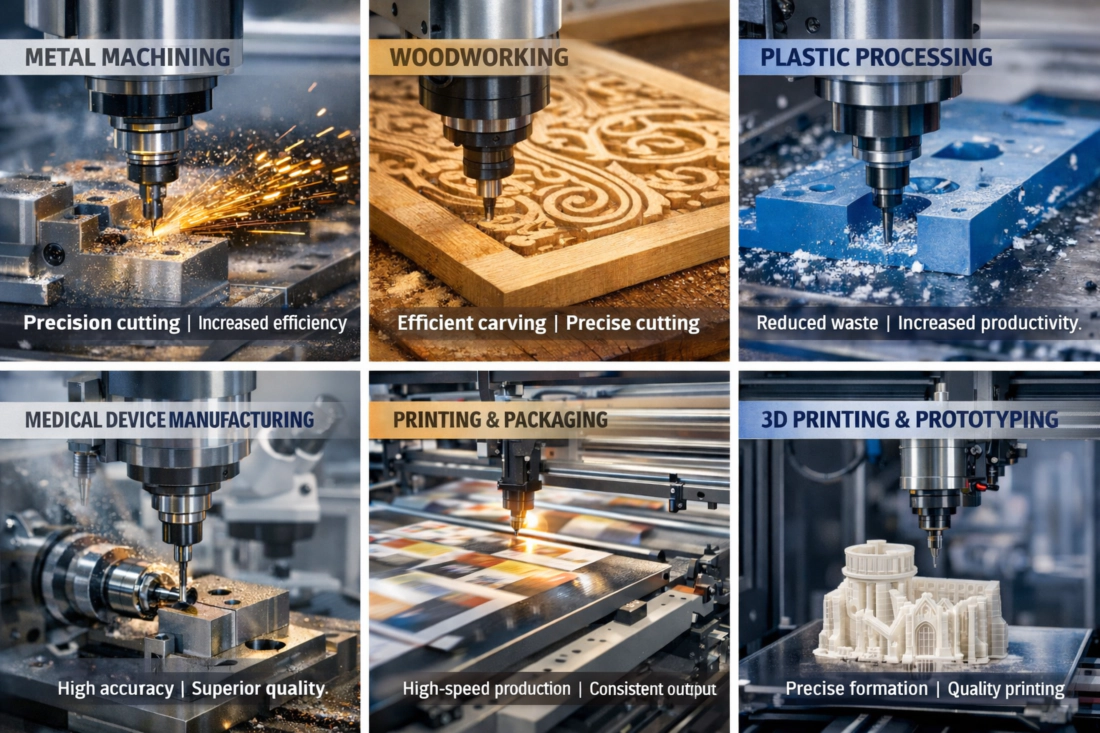
The true beauty of a meticulously crafted spindle motor is its sheer versatility across diverse industrial landscapes. In the rigorous world of metal processing, rigid torque delivery is king. Whether you are facing off a block of tool steel or executing high-speed milling on aerospace-grade aluminum, our motors maintain exceptional RPM stability under load, drastically reducing chatter and extending the lifespan of your expensive carbide tooling. The precision required here is absolute, and our units deliver consistent, repeatable cuts down to the micron.
Transitioning into the woodworking and cabinetry sectors, speed becomes the primary focus. Processing MDF, plywood, or natural hardwoods demands exceptionally high rotational velocities to slice through the fibers cleanly without burning the edges. Our high-speed spindle motors excel in nesting machines and multi-axis routers, significantly elevating throughput while maintaining flawlessly crisp edges that require zero manual sanding. Similarly, in the realm of plastic and acrylic fabrication, heat generation is the enemy. Utilizing a perfectly balanced, water-cooled unit prevents the plastic chips from melting and welding back onto the cutter, entirely eliminating material waste and ruined sheets.
We’ve also seen massive adoption in highly specialized fields. In medical device manufacturing, where titanium implants and surgical instruments are crafted, the demand for low-vibration, ultra-clean operation is paramount. Moving to the fast-paced printing and packaging industries, synchronous rotational speeds ensure that cutting and scoring wheels operate in perfect harmony with conveyor systems, dramatically increasing output consistency. Even the rapidly expanding 3D printing and prototyping sectors utilize these compact powerhouses for post-processing and subtractive finishing, ensuring that rapid prototypes feature the exact dimensional tolerances required for functional testing.
| Industry / Application | Primary Spindle Requirement | Our Solution Advantage |
|---|---|---|
| Metal Machining | High Torque, Extreme Rigidity | Ceramic bearings, heavy-duty housing, zero stall |
| Woodworking | High RPM, Dust Resistance | Up to 24,000 RPM, positive air pressure sealing |
| Plastics & Acrylics | Thermal Management, Smooth Cut | Efficient water cooling, dynamic rotor balancing |
| Medical Devices | Micron-level Precision, Low Noise | <0.005mm runout, whisper-quiet operation |
Why Choose Our Drive Systems? Unbeatable Product Advantages
When you look closely at the architecture of our products, the benefits become glaringly obvious. First and foremost is the combination of high efficiency and remarkably low energy consumption. The internal copper windings are optimized to reduce electrical resistance, meaning more of your electricity is converted into pure cutting power rather than wasted heat. This design philosophy helps forward-thinking companies drastically slash their monthly energy expenditures without sacrificing a single RPM of performance.
Durability is hard-wired into every single unit we ship. By utilizing premium-grade steel alloys and state-of-the-art machining practices for the housing, we ensure these motors can withstand the highly abrasive, dust-filled environments typical of heavy manufacturing. The dynamic balancing of the rotor assembly provides precision control and phenomenally low vibration. Minimal vibration doesn’t just result in a cleaner cut; it actively protects the internal bearings and the CNC machine’s gantry from premature wear and tear.
We also place a massive emphasis on eco-friendly design. Compliant with the strictest European environmental standards, our units are engineered to operate with low noise pollution and zero harmful emissions. Combine this universal applicability—easily integrating with 95% of standard routers and mills on the market—with our unparalleled, proactive aftermarket support, and it is clear why so many European facilities trust us to keep their operations moving forward safely and efficiently.
Ready to Elevate Your Machining Capabilities?
Upgrading your driving force is the single most impactful decision you can make for your production line. An expertly chosen spindle motor drastically heightens your machining accuracy, multiplies your daily output, and sharply reduces your long-term operational costs. Don’t let an aging or mismatched motor act as a bottleneck for your business growth any longer.
Whether you need detailed technical specifications, want to discuss specific torque curves for your materials, or require a specialized, custom-built solution for your Dutch facility, our engineering team is standing by to assist. Reach out to us today, and let’s engineer your success together.