Description
Mastering thermal dynamics and precision engineering for the most demanding factory floors in the Netherlands and beyond.
Stepping onto a bustling production floor, there is a distinct rhythm to the machinery that any seasoned operator instantly recognizes, but when that rhythm is broken by unexpected tool chatter or a sudden thermal shutdown, the entire day’s schedule goes completely out the window. We’ve seen incredibly capable facilities struggle to maintain their tight tolerances simply because the core rotational drive—the very heart of their cutting process—was quietly overheating during extended runs. Choosing an enhanced cooling CNC spindle motor completely flips this script, transforming a common point of failure into your absolute strongest asset on the line. The trick is understanding how advanced thermal management allows you to push feed rates harder and run continuous shifts without sacrificing a single micron of product quality. For highly competitive manufacturers, specialized machine builders, and procurement teams in the precision-obsessed Netherlands market, sourcing the best spindle motor isn’t just about reading a spec sheet; it is about fundamentally securing your production efficiency and drastically slashing your overall spindle motor maintenance costs in a landscape where every second of downtime burns cash.
Decoding the Technology: What Exactly Drives Your Machine?
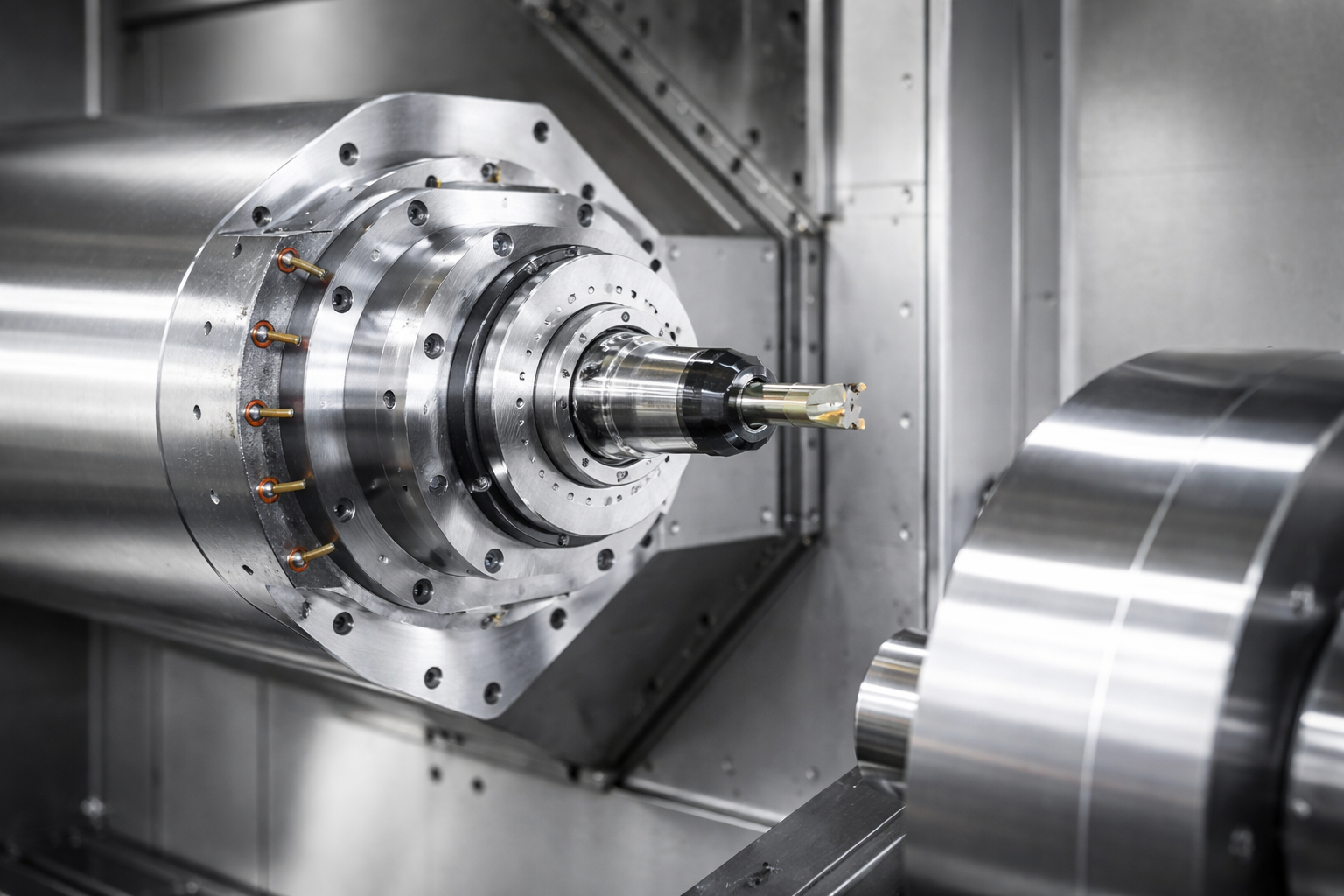
At its most fundamental level, a CNC spindle motor is a highly specialized electromagnetic drive engineered exclusively to deliver intense rotational energy directly to a cutting tool or an actively moving workpiece. Comparing these advanced units to standard industrial induction motors is a mistake we see all too often; standard motors simply turn belts or fans, whereas high-speed spindle motors are meticulously constructed to endure brutal radial and axial forces while maintaining absolute structural rigidity. The operational magic happens through a variable frequency drive (VFD) that manipulates electrical currents into a precisely rotating magnetic field within the stator, violently forcing the central rotor to turn and instantly converting raw electrical grid power into relentless mechanical shearing force.
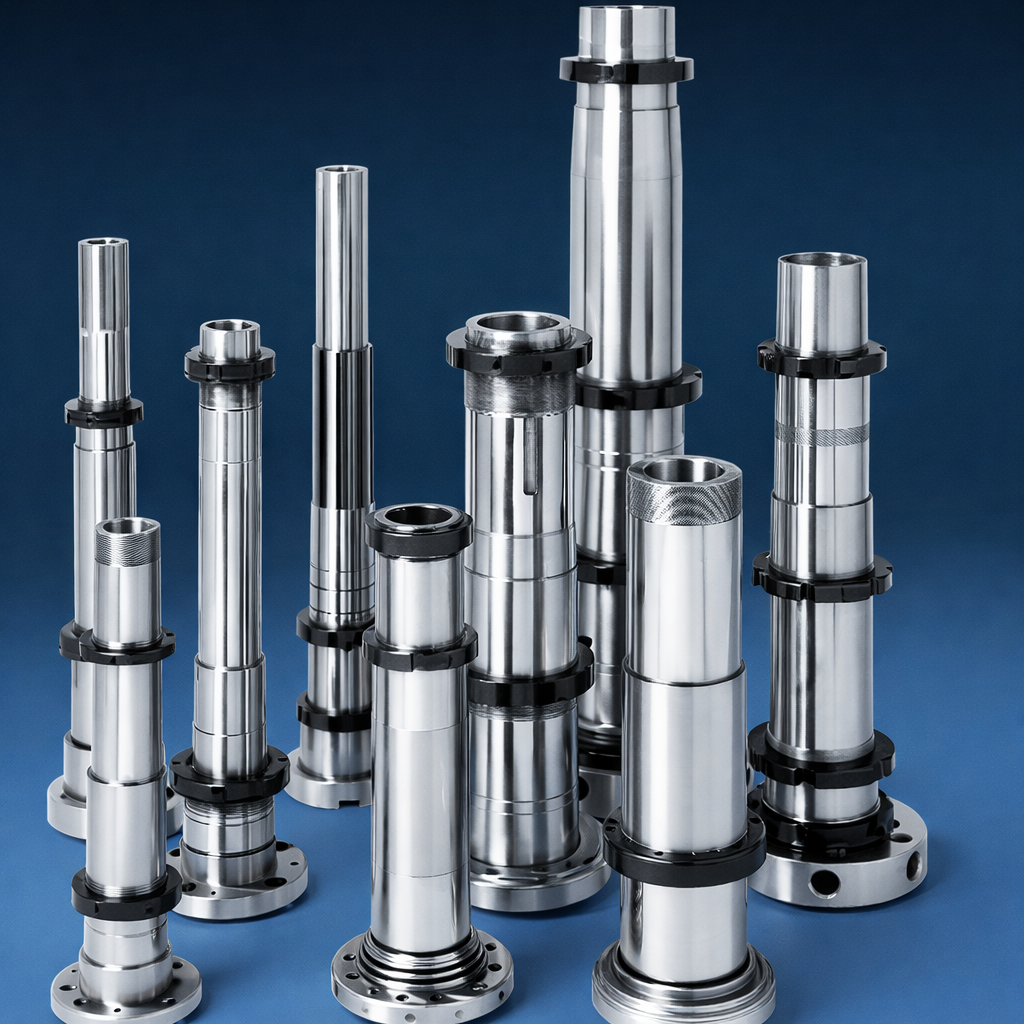
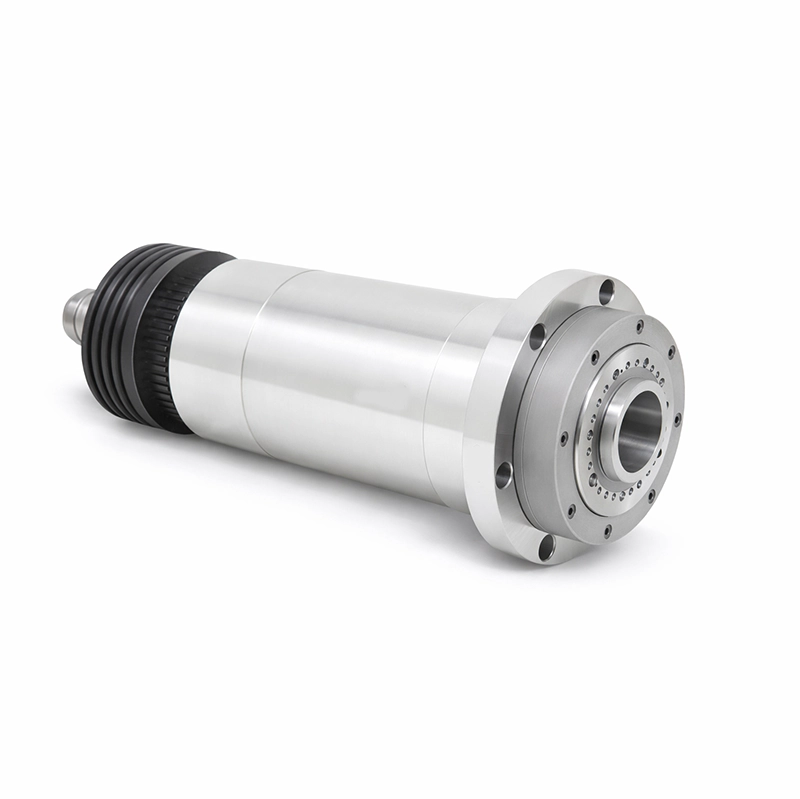
What really makes an enhanced cooling model stand out is the internal architecture surrounding those electromagnetic coils and the ultra-precision ceramic bearings holding the shaft. Because pushing massive torque at varying speeds generates intense electrical and friction-based heat, these specific motors incorporate advanced fluid jackets or high-velocity aerodynamic fins to aggressively rip that heat away from the critical components. You will find these powerhouses deeply integrated across the most demanding industrial environments—ranging from heavy five-axis aerospace metalworking and automated woodworking cell routers to delicate, high-speed plastic engraving stations where even slight thermal expansion would completely ruin the workpiece.
Crucial Engineering Parameters to Evaluate
Navigating the complex specifications of a new drive unit can feel a bit like reading a foreign language if you aren’t staring at these charts every day, but zeroing in on power versus torque is always your safest starting point. Many operators fixate on the peak horsepower rating (which looks great in a brochure) but completely miss the fact that low-end torque is the actual physical force required to push a heavy face-mill through hardened alloy steel without stalling the entire machine. In our experience, perfectly overlapping your selected motor’s torque curve with the specific density of your primary material is what separates adequate performance from world-class manufacturing. This directly ties into the rotational speed, or RPM; spinning a massive cutter too fast will literally melt the carbide inserts in seconds, while running a delicate micro-tool too slowly causes the flutes to snap from aggressive chip loads, making an adjustable, perfectly matched RPM range absolutely vital.
When evaluating high-performance tasks, the cooling system debate takes center stage. Liquid-cooled systems utilize an intricate network of internal channels to flow a chilled mixture directly around the stator block, providing unmatched thermal stability for relentless 24/7 continuous carving—though they do require the integration of external chillers and plumbing lines. Alternatively, specialized high-flow air-cooled designs leverage a shaft-driven or independent electric fan to blast ambient air across deep external heat sinks; they are brilliantly simple to install and essentially plug-and-play, provided your shop environment isn’t already sweltering hot. Precision and runout stability naturally follow thermal control; the best spindle motor will feature sub-micron runout ratings at the taper, guaranteeing that the path you program in your CAM software is exactly what gets cut. Keeping that runout in check relies heavily on your dedication to proper spindle motor maintenance, transforming what used to be a frantic midnight repair job into a highly predictable, manageable routine that keeps your factory humming perfectly.
Meeting the Rigorous Standards of the Netherlands Market
The contemporary manufacturing landscape stretching across the Netherlands represents a globally recognized hub of uncompromising precision engineering, heavily automated workflows, and an intense focus on sustainable production. From the spotless, highly regulated high-tech supply chains operating near Eindhoven to the massive maritime fabrication facilities along the coast, Dutch engineering leans heavily on infrastructure that refuses to quit. Engaging with buyers in this region reveals that the conversation practically never revolves around finding the cheapest option; it is deeply rooted in verifiable reliability, total lifecycle costs, and rigid compliance with European environmental standards. An enhanced cooling CNC spindle motor deployed here must aggressively minimize wasteful power consumption through superior electromagnetic design, directly aligning with stringent corporate green initiatives and the stark reality of elevated industrial electricity costs. Moreover, CE compliance and adherence to strict low-voltage and machinery directives are absolute baselines—every integrated drive must seamlessly pass local safety audits and electromagnetic interference testing without raising a single red flag.
Direct Feedback from the Dutch Shop Floor
“We used to absolutely roast our standard router motors every nine months in the continuous composites division. Upgrading to these enhanced liquid-cooled high-speed spindle motors completely eradicated our thermal expansion issues. The runout stays virtually non-existent even during incredibly aggressive carbon fiber trimming, and our tooling budget dropped by 25%. A phenomenal upgrade for our Brabant facility!”
— Jeroen V., Production Director, Aerospace Composites
“Sourcing a drive that delivers crushing low-end torque for heavy steel milling while maintaining top-end precision was honestly a massive headache until we integrated this system. The included CE documentation was immaculate, keeping the compliance officers smiling, and it handles hardened P20 steel effortlessly. Easily the best spindle motor we’ve evaluated for our custom automation cells.”
— Sanne D., Lead Mechanical Engineer
“In high-volume architectural woodworking, microscopic MDF dust is the enemy of bearing life. The positive air-pressured labyrinth sealing combined with the enhanced cooling fins on these units keeps the dust completely out and the heat down. We’ve been running double shifts for fourteen months with zero unexpected spindle motor maintenance needed.”
— Maarten K., Operations Manager, Premium Woodworking
Strategic Partnership: Transforming Your Procurement Strategy
Selecting a core hardware supplier goes far beyond comparing catalog numbers; it is fundamentally about securing your massive production lines against devastating future bottlenecks. Our distinct technological advantage lies in the relentless, ground-up engineering of our rotor dynamics and proprietary stator windings, yielding drive systems that operate with remarkable energy efficiency while actively suppressing parasitic heat generation. We proudly maintain an extensive portfolio of high-speed spindle motors that consistently exceed the most demanding ISO and CE quality certifications, guaranteeing flawless integration into heavily regulated European manufacturing networks. What genuinely distances us from typical hardware vendors is our deep commitment to proactive, localized after-sales support; our engineering specialists work hand-in-hand with your floor technicians to meticulously dial in VFD acceleration parameters, establish baseline vibration analytics, and fine-tune your fluid cooling loops for the specific ambient realities of your shop floor.
We thoroughly understand that off-the-shelf solutions frequently fail to address the messy, complex realities of bespoke machine building, which is why our dedicated design division thrives on delivering rapid-turnaround customized solutions. Whether your particular application demands an extended spindle nose to reach deep inside complex mold cavities, specialized encoder feedback loops for ultra-precise rigid tapping, or a custom mounting flange to retrofit an older chassis, we engineer exactly what you need. Combined with our highly optimized supply chain and robust regional inventory management, we guarantee exceptionally rapid delivery schedules that prevent a single broken component from triggering a catastrophic week-long shutdown. When you reach out to our team, you are consulting with seasoned machining experts who actually know what burnt coolant smells like and understand the sheer frustration of scrapping an expensive part, injecting that invaluable real-world experience into every product we ship.
Versatile Dominance Across Advanced Industrial Sectors
The immense flexibility of an enhanced cooling CNC spindle motor allows it to serve as the critical driving force across vastly different manufacturing disciplines, each presenting unique physical obstacles. In heavy-duty metalworking—such as milling titanium aerospace brackets or aggressively surfacing massive cast-iron engine blocks—the motor must seamlessly deliver immense radial stiffness to prevent the cutting tool from stalling or inducing horrific surface chatter. Transitioning abruptly into the fast-paced woodworking industry, the mechanical requirements completely invert; cleanly routing hardwoods and highly abrasive sheet goods like melamine demands blistering rotational speeds (often pushing 18,000 to 24,000 RPM) to ensure a flawless, burn-free edge, completely relying on advanced ceramic bearings that can handle brutal gyroscopic forces without melting down. The realm of plastic and acrylic fabrication presents a delicate balancing act where managing friction is everything; if the cutter runs too hot or too fast, the plastic literally melts and welds itself back onto the tool, instantly ruining the piece.
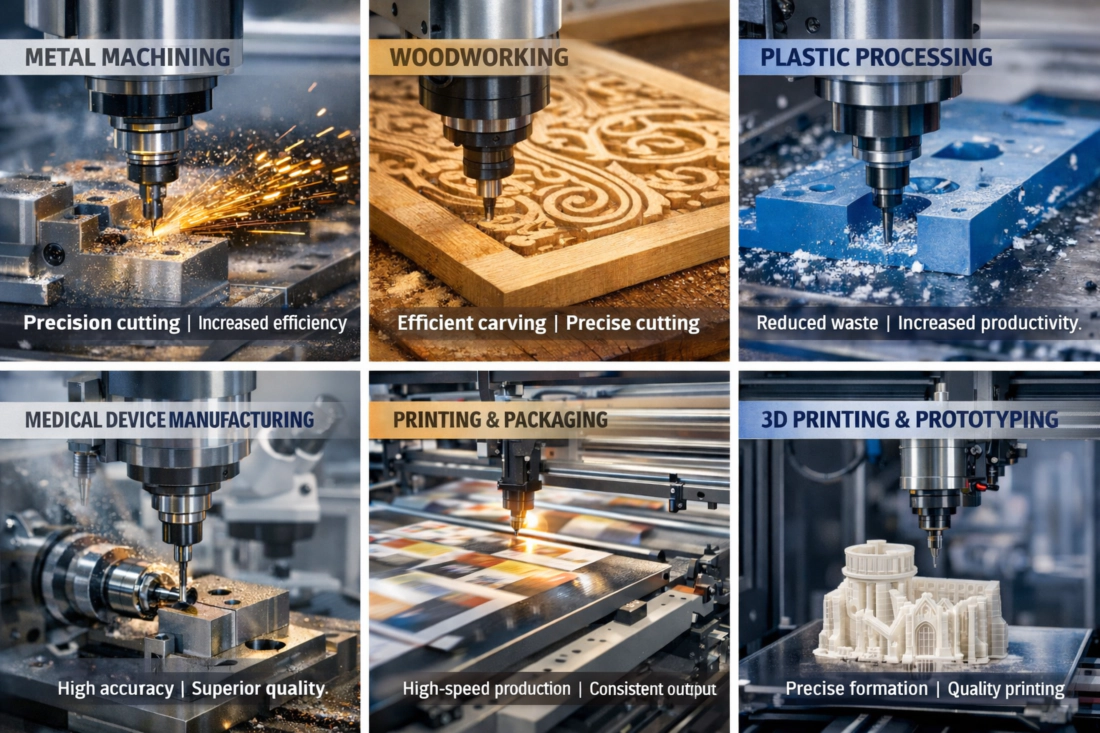
Moving into highly specialized arenas, the medical device manufacturing sector relies completely on these ultra-precision drives to flawlessly machine biocompatible implants and delicate surgical instruments out of notoriously tough alloys like cobalt-chrome, where dimensional tolerances are strictly measured in single microns. In the often-overlooked world of high-speed printing and packaging, most printers don’t realize that the consistency of their complex rotary dies and slitting mechanisms is heavily dependent on the drive motor’s closed-loop feedback and absolute speed stability—an area where standard induction motors completely fall apart. Even within the rapidly advancing frontier of large-scale industrial 3D printing and advanced rapid prototyping, modern hybrid machines that combine additive polymer deposition with subtractive milling rely heavily on lightweight, thermally stable spindle motors to precisely clean up printed surfaces on the fly, demonstrating unmatched adaptability across the board.
Unleashing the Tangible Product Advantages
Upgrading your machinery with our advanced drive systems injects immediate, highly measurable improvements straight into your daily workflow. The meticulously balanced electromagnetic design translates directly into exceptionally low energy consumption, presenting a massive operational advantage for facilities aggressively trying to slash their carbon footprint and offset surging industrial electricity rates. Unyielding durability is physically engineered into every unit; by exclusively utilizing aerospace-grade steel alloys and precision-ground ceramic hybrid bearings, the best spindle motor in our lineup easily shrugs off the heavy impact loads of interrupted cuts and the relentless wear of continuous high-speed carving. This inherent mechanical stiffness provides absolute precision control and dramatically suppresses harmonic vibration at the cutting edge, which means your expensive carbide tools run noticeably smoother, last significantly longer, and consistently leave behind a mirror-like finish that often eliminates the need for secondary polishing.
Moving beyond raw mechanical output, our eco-friendly design philosophy ensures strict compliance with European noise and emission regulations, keeping your shop floor noticeably quieter and significantly safer for your working operators. We’ve purposely built these systems for broad versatility, meaning a single robust motor architecture can be smoothly deployed across varying CNC routers, milling centers, and bespoke robotic end-effectors with minimal engineering friction. Backed entirely by comprehensive warranties and a highly responsive technical service team, integrating our equipment is a definitive, strategic step toward completely modernizing your precision machining capabilities.
Ready to Eliminate Thermal Downtime for Good?
The core rotational components driving your CNC machinery absolutely dictate the ultimate quality, speed, and profitability of your entire operation. Settling for subpar drives leads directly to compounding thermal errors, wasted expensive materials, and highly unacceptable machine downtime. By integrating our top-tier, precision-engineered systems, you ensure unparalleled accuracy and relentless efficiency that scales effortlessly with your production targets.