설명
Walking onto a high-production manufacturing floor and seeing a crucial milling machine sitting idle is a scenario that keeps facility directors awake at night. In our experience, navigating the complexities of equipment procurement requires looking far beyond the initial purchase order. The trick is understanding that the upfront cost of your rotational equipment is merely a fraction of the total cost of ownership. When you dive deep into a comprehensive Spindle motor pricing and buying guide Netherlands, it becomes abundantly clear that selecting the correct CNC spindle motor is the ultimate determining factor for your overall production efficiency. A mismatched motor doesn’t just cut poorly; it burns through expensive carbide tooling, aggressively spikes your monthly electricity bills, and introduces microscopic vibrations that can completely ruin tight-tolerance batches (which, honestly, is a financial disaster if you are machining aerospace or medical-grade components).
This definitive guide is explicitly engineered for the professionals operating within the rigorous Dutch industrial ecosystem—the forward-thinking manufacturers, the seasoned CNC machinists, the automated factory floor managers, and the strict procurement specialists who refuse to compromise on quality. Sourcing the best spindle motor requires cutting through the saturated European market noise to find genuine mechanical value. You need systems that actually survive the punishing 24/7 continuous cycles demanded by modern automated work cells. By thoroughly understanding the intricate balance between pricing tiers and technical specifications, you can strategically upgrade your machinery to not only lower your ongoing maintenance costs but to fundamentally multiply your daily output volume.
Deconstructing the Core: What Exactly is a Spindle Motor?
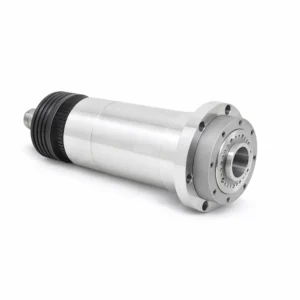
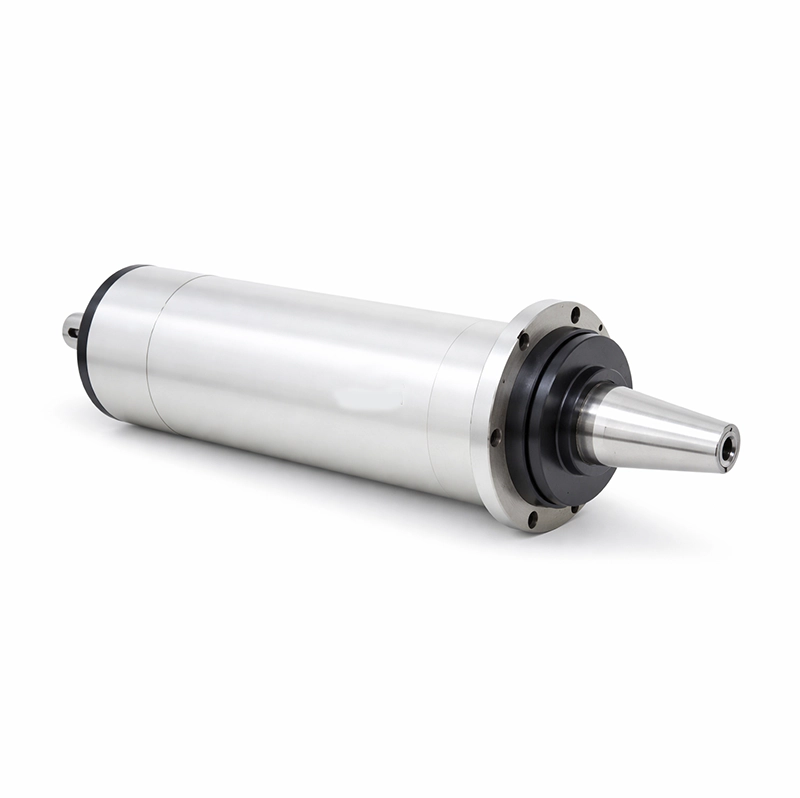
Peeling back the steel housing, a spindle motor is essentially a hyper-precise, incredibly high-frequency electric powertrain purposefully built to rotate either a cutting tool or a raw workpiece at staggering velocities. You cannot compare these to standard induction motors found in commercial ventilation systems; these industrial workhorses are meticulously dynamically balanced to handle severe radial slicing loads while maintaining absolute geometric center. The fundamental working principle relies heavily on a dedicated Variable Frequency Drive (VFD). The VFD acts as the brain, manipulating the frequency and voltage of the electrical grid’s current before sending it to the motor. By precisely altering this electrical frequency, the internal magnetic fields rotate at varying speeds, instantly pulling the precisely balanced rotor along with it, effortlessly converting raw electrical amperage into devastating mechanical torque.
The application footprint of these devices is absolutely massive across the industrial spectrum. In heavy metalworking, they provide the rigid, unrelenting torque required to tap threads into hardened carbon steel without stalling the tool. In the expansive woodworking and cabinetry sectors, high-speed spindle motors are the absolute backbone of flatbed routers, spinning upwards of 24,000 RPM to cleanly shear through dense MDF or natural hardwoods without causing friction burns. We see them just as heavily utilized in the intricate plastic and acrylic fabrication industries, where specialized rotational control is mandated to prevent the material from melting and instantly welding itself back onto the cutting flutes. Without these finely tuned rotational powerhouses, modern subtractive manufacturing would essentially grind to a permanent halt.
Critical Technical Pillars for Your Equipment Selection
When evaluating options within a Spindle motor pricing and buying guide Netherlands, getting distracted by flashy peak-power numbers is a common trap. The critical element is actually the relationship between power (kW) and torque (Nm). Installing a massive 9kW motor on a machine dedicated to light foam routing is an absurd waste of capital and energy. Conversely, trying to use a budget 1.5kW router spindle to face-mill block titanium will instantly stall the drive and likely shatter your tooling. The secret lies in analyzing the manufacturer’s torque curve. If your daily operations involve hogging out thick metals at low speeds, you absolutely require a motor specifically wound to deliver massive torque at lower frequencies.
Rotational speed (RPM) and your choice of cooling architecture fundamentally dictate your machine’s physical layout and operational limits. High-speed spindle motors pushing 24,000 to 40,000 RPM are mandatory for small-diameter tooling in aluminum or plastics. When it comes to cooling, the debate between water and air is perpetual. Water-cooled systems utilize an external chiller to pump fluid through the motor’s outer jacket. They are remarkably quiet and maintain an incredibly stable thermal baseline during 72-hour continuous production runs, making them the superior choice for high-volume factories. Air-cooled variants rely on an integrated shaft-driven fan. While undeniably louder, they completely eradicate the need for plumbing, coolant maintenance, and the paralyzing fear of hoses freezing in unheated winter workshops!
Beyond raw power, mechanical precision and operational stability are the ultimate gatekeepers of quality. Spindle runout (the microscopic wobble of the tool bit) must be kept strictly below 0.005mm for high-end CNC machining. Even a fractional deviation will drastically reduce your tool life and ruin the surface finish. This directly impacts your spindle motor maintenance cycles. A motor built with high-grade, matched-pair ceramic angular contact bearings will vibrate less, run cooler, and extend the time between mandatory rebuilds from months to several years. Properly maintaining clean collet tapers and ensuring warm-up routines are followed will essentially bulletproof your investment.
Meeting the Rigorous Demands of the Dutch Industrial Landscape
The manufacturing sector within the Netherlands is recognized globally as a powerhouse of precision engineering and smart-industry innovation. Hubs like Brainport Eindhoven don’t just produce generic parts; they manufacture the machines that manufacture the future. Consequently, Dutch CNC operations demand equipment that delivers uncompromising accuracy while adhering to the strictest sustainability and energy-efficiency metrics on the planet. When sourcing machinery, Dutch clients heavily prioritize systems that minimize electrical waste. A motor that efficiently converts grid power into cutting torque directly lowers the facility’s carbon footprint and drastically reduces monthly utility overheads, which is a massive consideration given current European energy pricing models.
Compliance is absolutely non-negotiable. Any rotational equipment crossing into the Dutch workspace must explicitly conform to rigorous European Union directives. Full CE certification is a strict legal mandate, validating that the hardware has passed intense scrutiny regarding electromagnetic compatibility (EMC)—ensuring it won’t fry the delicate IoT sensors on the factory floor—and that it meets all machinery safety and RoHS hazardous material restrictions. Our product lines are inherently engineered to not just meet, but far exceed these European standards, providing procurement teams with the heavily audited paper trails they require to pass their internal safety and quality inspections.
“Finding a reliable pricing guide that actually reflected the European market was tough. We eventually sourced three 2.2kW water-cooled units for our furniture line in Utrecht. The noise drop in the shop was immediate, and the thermal stability during our 12-hour nesting shifts is flawless.”
— Bram V., Production Floor Manager
“We machine specialized aluminum fixtures in Rotterdam. Most printers don’t realize how much spindle vibration affects surface finish! The dynamic balancing on these models completely eliminated our need for post-process polishing. The CE documentation was also perfectly in order.”
— Lotte de J., Precision CNC Operator
“In our experience, you get what you pay for, but this pricing structure offered incredible value for the bearing quality. We needed air-cooled units for a mobile cutting setup. They run hot, sure, but they haven’t skipped a beat in over 18 months of abusive dusty environments.”
— Daan K., Fabrication Shop Owner
Your Strategic Buyer’s Guide: Forging a Lasting Partnership
Choosing a vendor for your factory’s critical components is a massive strategic commitment. Our overriding technological advantage stems from an absolute refusal to cut corners on internal metallurgy. We utilize ultra-pure copper windings optimized through vacuum impregnation to drastically lower electrical resistance, meaning your CNC spindle motor runs significantly cooler under heavy loads. The ceramic angular contact bearings we integrate are sourced specifically for their ability to resist thermal expansion at 24,000 RPM. This isn’t just a spec sheet boast; it translates directly into a drive system that maintains micron-level accuracy year after year, satisfying the intensely demanding quality control parameters of Dutch manufacturing facilities.
A robust piece of hardware is ultimately useless without the engineering support to back it up. Our aftermarket service ecosystem is structured to proactively keep your spindles spinning. We provide highly detailed, easily digestible VFD parameter charts, dedicated installation consultations, and rapid-response troubleshooting to conquer complex harmonic resonance issues. Backed by stringent ISO quality management frameworks and comprehensive CE testing, our reputation is built on transparent reliability and tangible factory floor results.
Furthermore, we recognize that highly specialized Dutch engineering often requires bespoke solutions. Our custom engineering division frequently collaborates with clients to design modified mounting flanges, unique sealing systems for highly caustic milling environments, and specific shaft tapers. Merged with our heavily optimized supply chain and strategic inventory management for the European market, we guarantee rapid delivery of critical replacement parts. When a machine inevitably goes down, our logistics network ensures your tailored solution arrives fast, mercilessly cutting down your expensive downtime.
Unleashing Versatility: Specialized Industry Applications
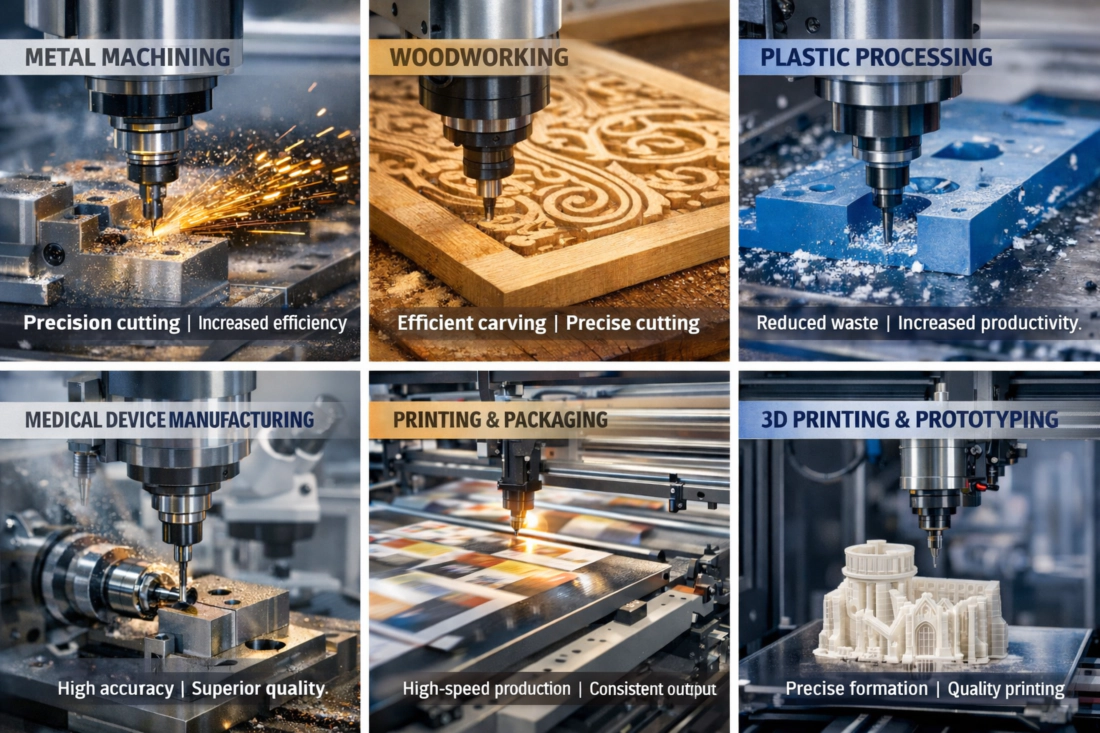
The brilliance of a masterfully engineered motor lies in its ability to adapt seamlessly across diverse manufacturing verticals. In the brutal arena of metal processing, immense rigidity is the golden rule. Whether you are facing off thick carbon steel plates or executing high-speed, 5-axis milling on aerospace aluminum, our specialized heavy-duty motors absorb massive radial forces without deflecting. This unwavering stability prevents the cutting tool from chattering, significantly accelerating the volumetric material removal rate while preserving the delicate cutting edges of your expensive carbide endmills.
Transitioning into the massive woodworking and cabinetry space, sheer rotational velocity takes command. Routing composite panels or engraving natural timber requires exceptionally high-speed spindle motors to cleanly shear the wood fibers before they can splinter. Our units dominate nesting machines, delivering glass-smooth edge finishes that entirely eliminate the need for secondary manual sanding. Over in the plastic and acrylic fabrication sectors, managing heat is the ultimate battle. By deploying perfectly balanced, water-cooled variants, ambient heat transfer is heavily restricted, completely preventing the acrylic from melting and welding itself to the cutter, saving countless sheets of expensive raw material from the scrap bin.
These motors also drive incredible innovations in highly niche markets. In the hyper-sterile medical device manufacturing sector, where surgical instruments and titanium bone implants are crafted, our ultra-low runout models guarantee the micron-level precision required by global health authorities. In the fast-paced printing and packaging industries, compact drives are frequently deployed for synchronized high-speed paperboard scoring and die-cutting, ensuring massive production runs remain perfectly consistent. Additionally, the booming 3D printing and rapid prototyping fields heavily utilize these exact drives for subtractive post-processing, where freshly printed metal components are finely milled down to their exact functional tolerances.
The Engineering Advantage: Why Our Drives Dominate the Market
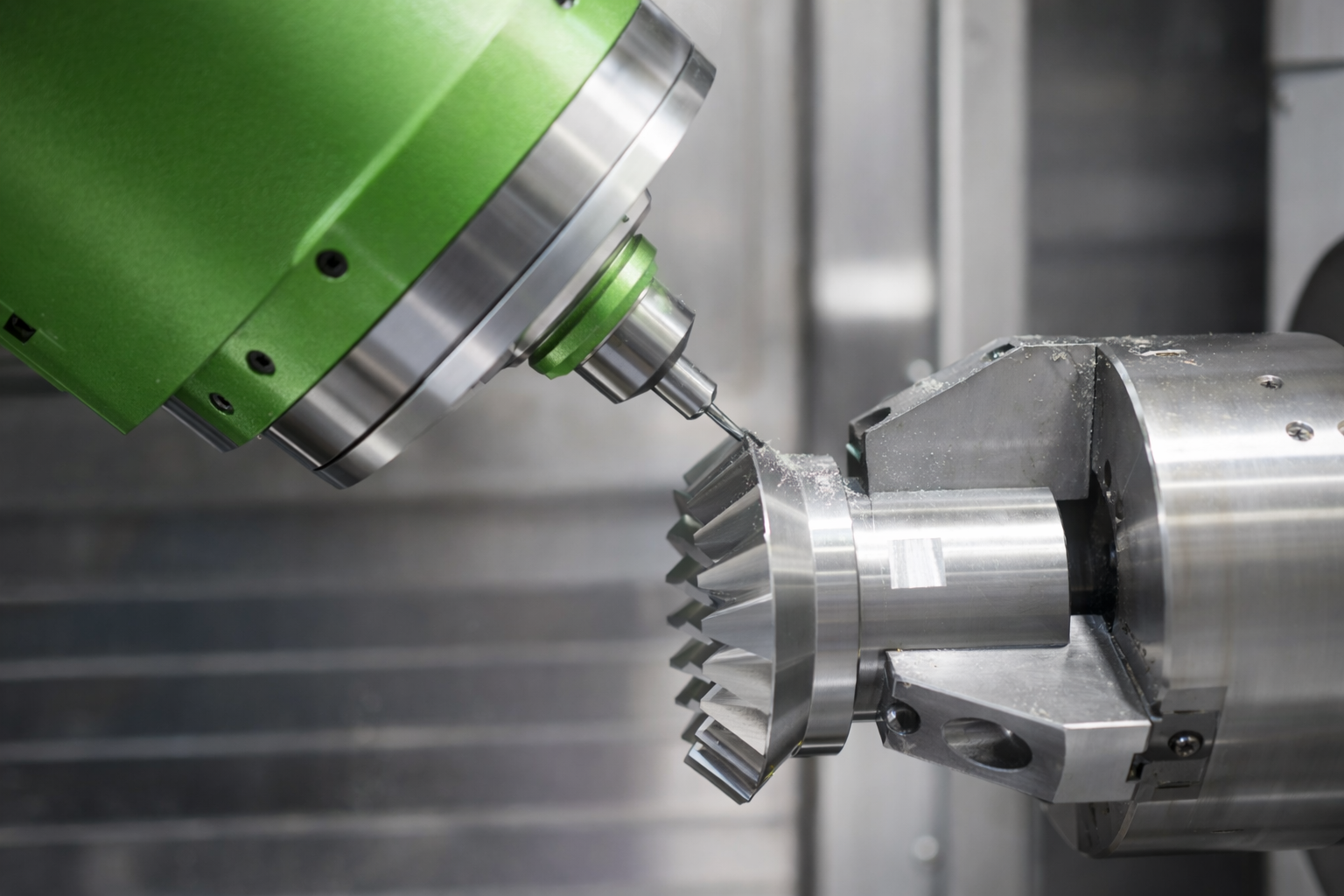
Dissecting the internal architecture of our products immediately reveals why they are heavily favored across European machine shops. The absolute core advantage is the brilliant synergy between extreme rotational performance and noticeably low energy consumption. By optimizing the stator’s magnetic flux pathways, we ensure that practically every single watt of electrical energy drawn from your grid is instantly converted into usable cutting torque, rather than being wasted as ambient heat. This highly efficient design allows volume manufacturers to dramatically scale their daily production without causing a corresponding explosion in their energy costs.
Durability under duress is quite literally built into the casing. Knowing how abusive a flood-coolant CNC enclosure can be, our motors feature advanced labyrinth sealing technologies and positive air pressure options to actively repel conductive dust and corrosive cutting fluids. The rigorous dynamic rotor balancing performed during assembly ensures phenomenally low operational vibration. This doesn’t just make the factory floor quieter; it actively preserves the internal bearing races and protects the CNC gantry structure from micro-fractures over time.
Aligning with strict Dutch eco-initiatives, our environmentally conscious designs guarantee low acoustic signatures and utilize materials entirely free from restricted heavy metals. This universal, eco-friendly applicability ensures our drives can be effortlessly retrofitted onto older legacy routing tables or wired directly into state-of-the-art robotic cells. Paired with an uncompromising, highly responsive aftermarket support team that treats your production downtime as a top-tier emergency, it is crystal clear why our drive systems are the premier choice for demanding engineers.
Ready to Revolutionize Your Machining Capabilities?
Integrating a masterfully calibrated CNC spindle motor is the single most effective hardware decision you can make to guarantee cutting accuracy, multiply your factory throughput, and safeguard your long-term profitability. Stop allowing outdated, vibrating equipment to bottleneck your business growth.