വിവരണം
Amid the Netherlands’ drive for swift, precise manufacturing, our high-speed spindle motor steps up as a game-changer for CNC tasks craving velocity. In our experience, plenty of facilities deal with sluggish motors that bottleneck workflows and inflate costs, but opting for top high-speed spindle motors flips that script toward accelerated efficiency. This overview spotlights how these motors propel faster processing, customized for the Dutch market’s high standards in innovative production.
What is a Spindle Motor?
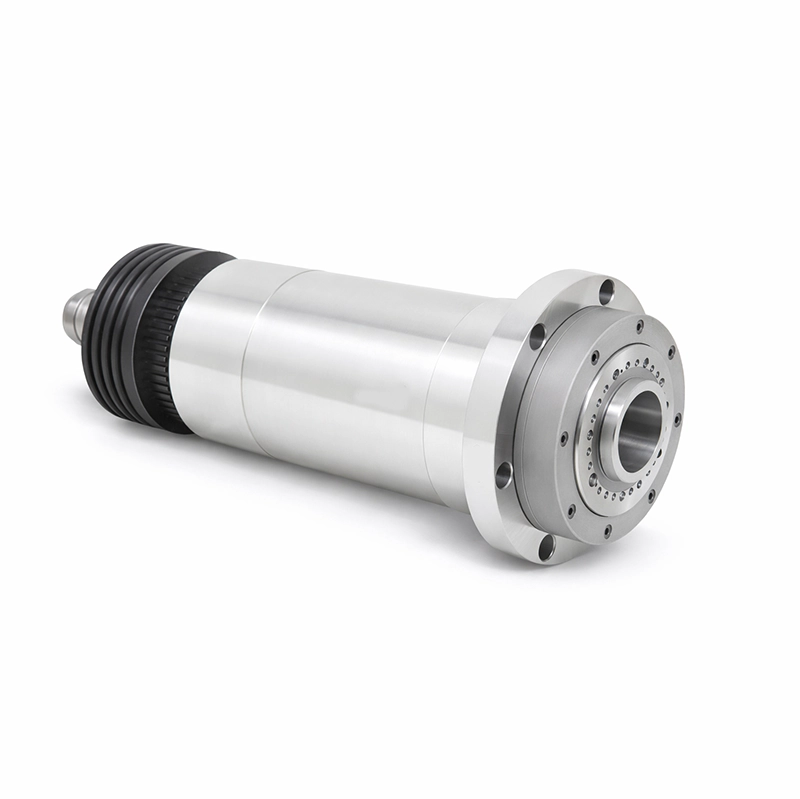
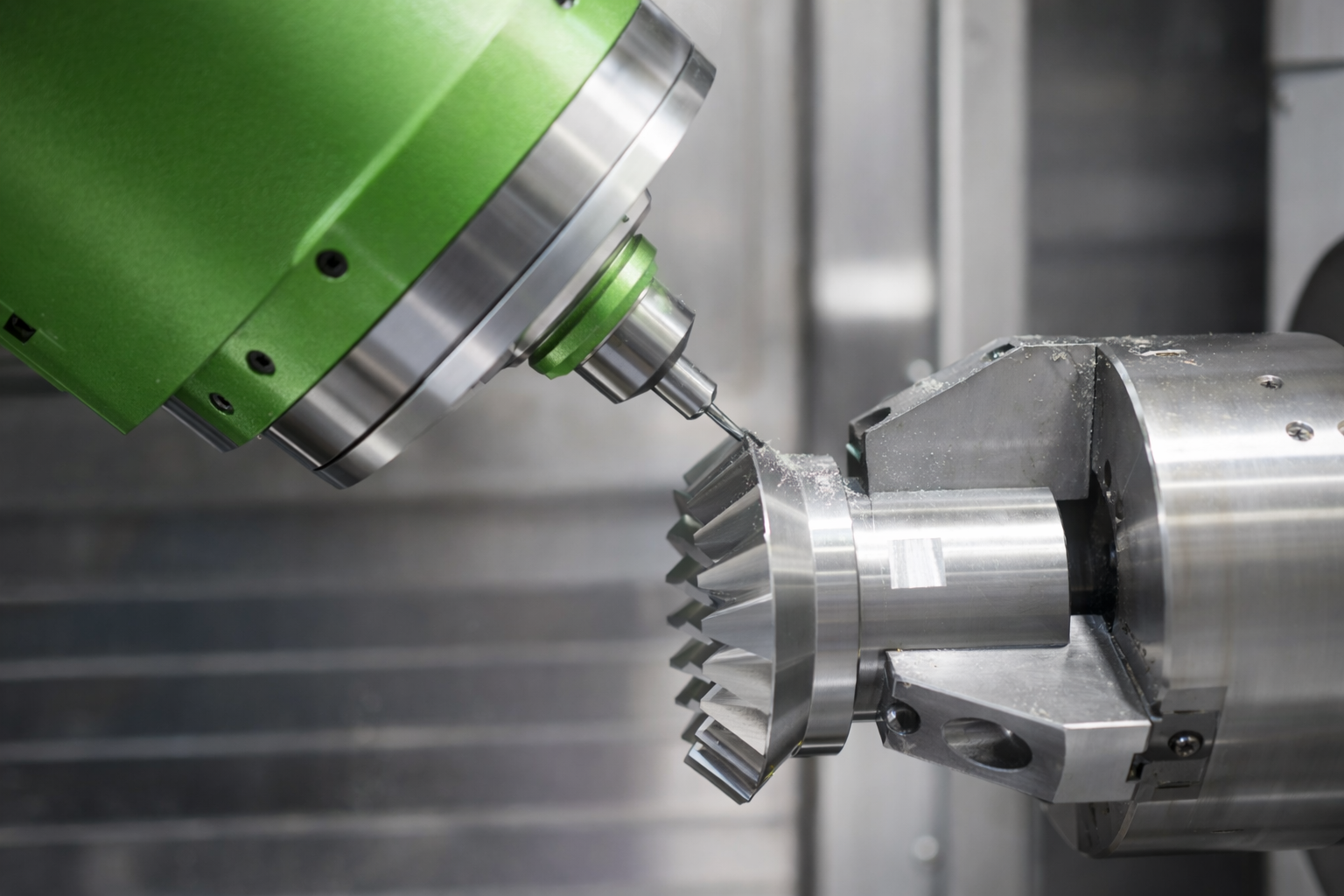
A spindle motor is the dynamic core of CNC systems, accelerating tool rotations to achieve rapid material shaping. It manages electrical to mechanical energy shifts, powering through cuts with momentum. We’ve found this essential function elevates throughput in speed-sensitive ops.
Operationally, it relies on magnetic fields from energized coils to spin the rotor, delivering torque at elevated RPMs for CNC drives. This conversion, optimized for velocity, keeps operations fluid under demand. Most overlook how refined balancing enhances speed without excess wear, key for consistent fast performance.
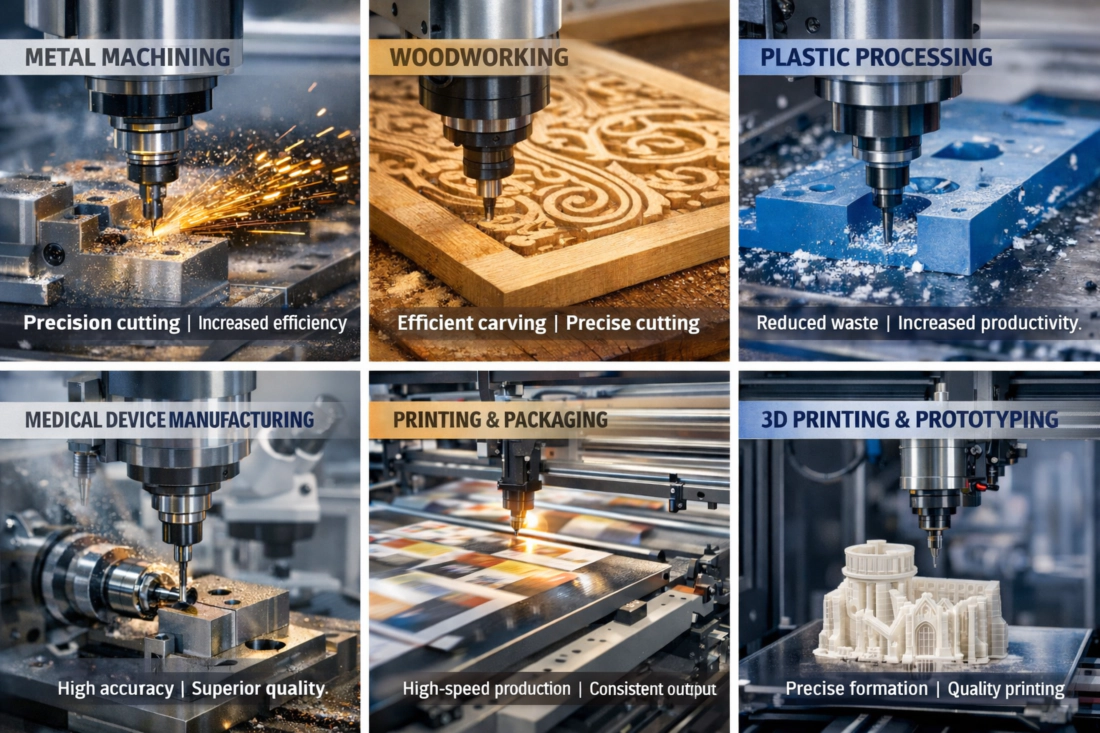
Spanning metalworking for quick mills, woodworking in swift engravings, and plastics for rapid molds – these motors adapt broadly. In the Netherlands, known for tech-forward industries, they fuel high-velocity tasks in everything from prototypes to mass production.
Key Factors to Consider When Choosing a Spindle Motor
Power and torque need balancing for speed; inadequate levels slow you down on resistant materials, but right specs enable swift advances. We’ve seen selections guided by workload – for high-velocity needs, torque sustains momentum at peak RPMs. Tip: Gauge via expected cuts, targeting 8-18 kW for dynamic apps.
RPM dictates processing pace; elevated rates refine finishes on softer stocks, yet calibrate to avoid tool damage on tougher ones. In our experience, 12000-30000 RPM ranges unlock faster cycles, with adjustables offering versatility across materials.
Cooling decisions impact sustained speeds: water systems dissipate heat swiftly in rapid sessions, though require infrastructure, versus air-cooled’s ease but potential limits at extremes. The trick aligns with your runtime – intensive Dutch lines often lean water for uninterrupted velocity.
Accuracy and steadiness prove crucial at high speeds; tight tolerances prevent wobbles that mar quality in premium CNC. Features like precision bearings uphold this, minimizing deviations during acceleration.
Durability hinges on upkeep – inspect bi-weekly, grease monthly to preserve high RPM integrity. Most don’t realize inconsistent care shortens life by 25%; proactive plans keep downtimes minimal.
| Factor | Impact on Speed | Recommendations |
|---|---|---|
| Power/Torque | Enables quick acceleration | 10-20 kW / 15-40 Nm |
| RPM | Drives faster processing | 15000-40000 RPM |
| Cooling | Sustains high velocities | Water for intensity |
| Precision | Maintains quality at speed | <0.003mm runout |
Special Demands in the Dutch Market
The Netherlands’ manufacturing landscape prioritizes speed and accuracy in CNC, supporting hubs in automation and exports. Needs focus on tools that accelerate without faltering, reflecting a culture of efficiency.
Dutch preferences tilt toward dependable, green, and performant solutions to meet eco-targets and operational demands. Our high-speed spindle motors cater by blending velocity with sustainable features, reducing energy draw in fast ops.
Meeting CE and EU benchmarks, our offerings assure compliance, easing integration in stringent markets.
A Leiden processor shared: “Ramp-up times halved with this motor; handles our high-speed needs flawlessly.” From Nijmegen: “Efficient and quiet – fits our green initiatives perfectly.” And a Zwolle user: “Speed without the usual vibrations; service team’s quick responses seal it.”
Your Guide to Buying with Us
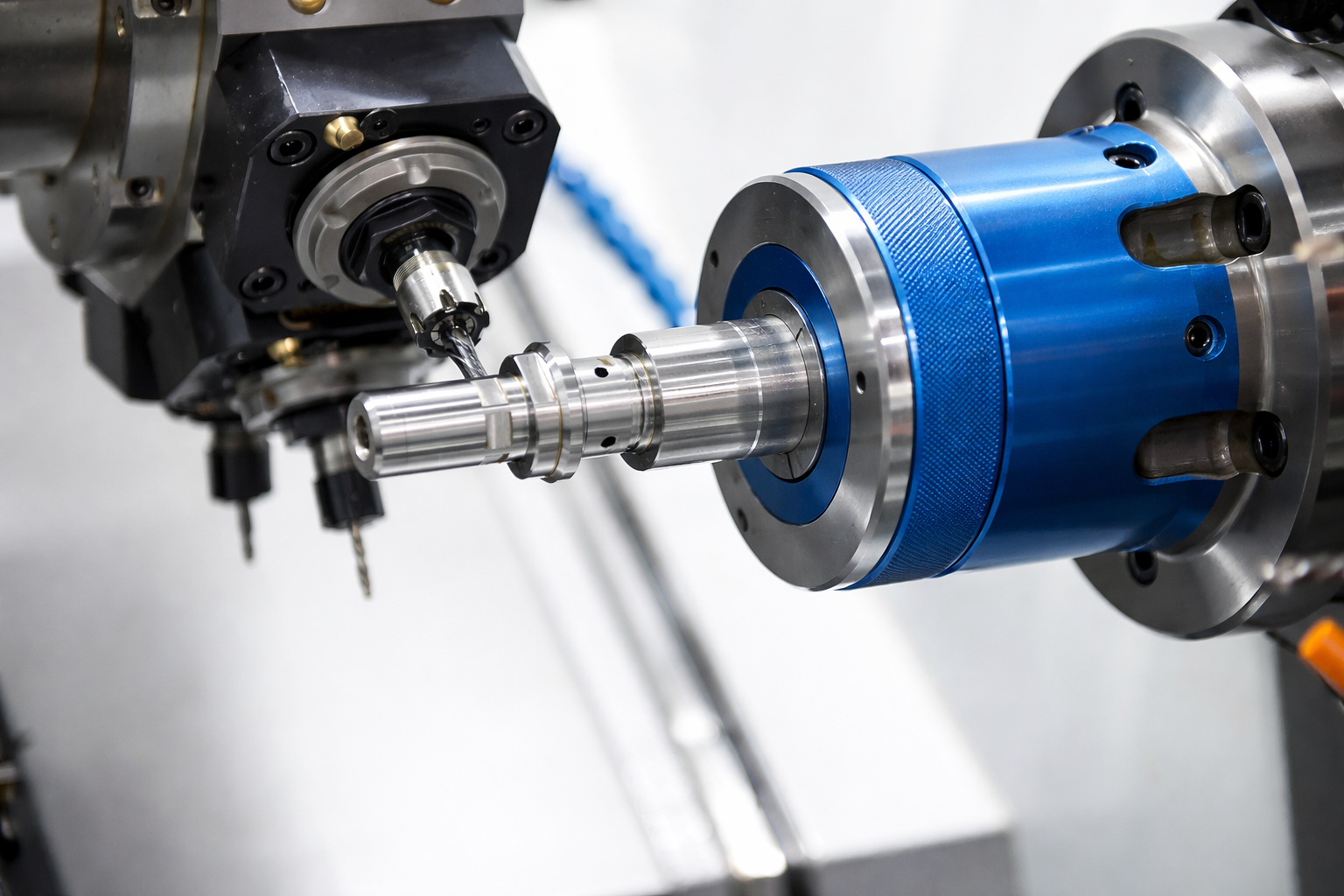
Our advantages shine in efficient, precise engineering, addressing Dutch and European speed requirements with motors that hit top RPMs reliably.
Support extends to expert installs, training sessions, and ongoing maintenance, safeguarding your fast-processing lines.
With ISO 9001 and CE stamps, plus stories like a Dutch electronics firm doubling throughput, we instill confidence.
We craft custom high-speed spindle motors for niche fast apps, like enhanced cooling for prolonged velocity.
Robust logistics deliver promptly from stock, curtailing halts in your accelerated workflows.
Application Scenarios: Spindle Motor in Various Industries
Metalworking thrives with high-speed motors for swift cuts and mills, sharpening precision while slashing times in component fab.
Woodworking accelerates carvings and shapes, boosting efficiency for detailed work at rapid paces.
Plastics processing gains from quick rotations, trimming waste in molding for higher yields.
Medical fab uses speed for exact device parts, upholding quality in time-sensitive builds.
Printing and packaging ramp up with fast spins, enhancing speed and uniformity in high-output runs.
3D printing harnesses velocity for precise layers, key in rapid prototyping.
Product Advantages: Why Choose Our Spindle Motor?
Superior performance and efficiency provide blazing RPMs with precision, cutting energy costs in speedy Dutch ops.
Rugged builds ensure stability at high velocities, minimizing downtimes in demanding environments.
Control systems reduce shakes, preserving accuracy during fast processing.
Green elements meet EU regs, with minimal noise for compliant, eco-friendly runs.
Versatile fits for diverse CNC, with tailoring for specific high-speed needs.
Full-spectrum service optimizes your fast setups continually.
Take the Next Step
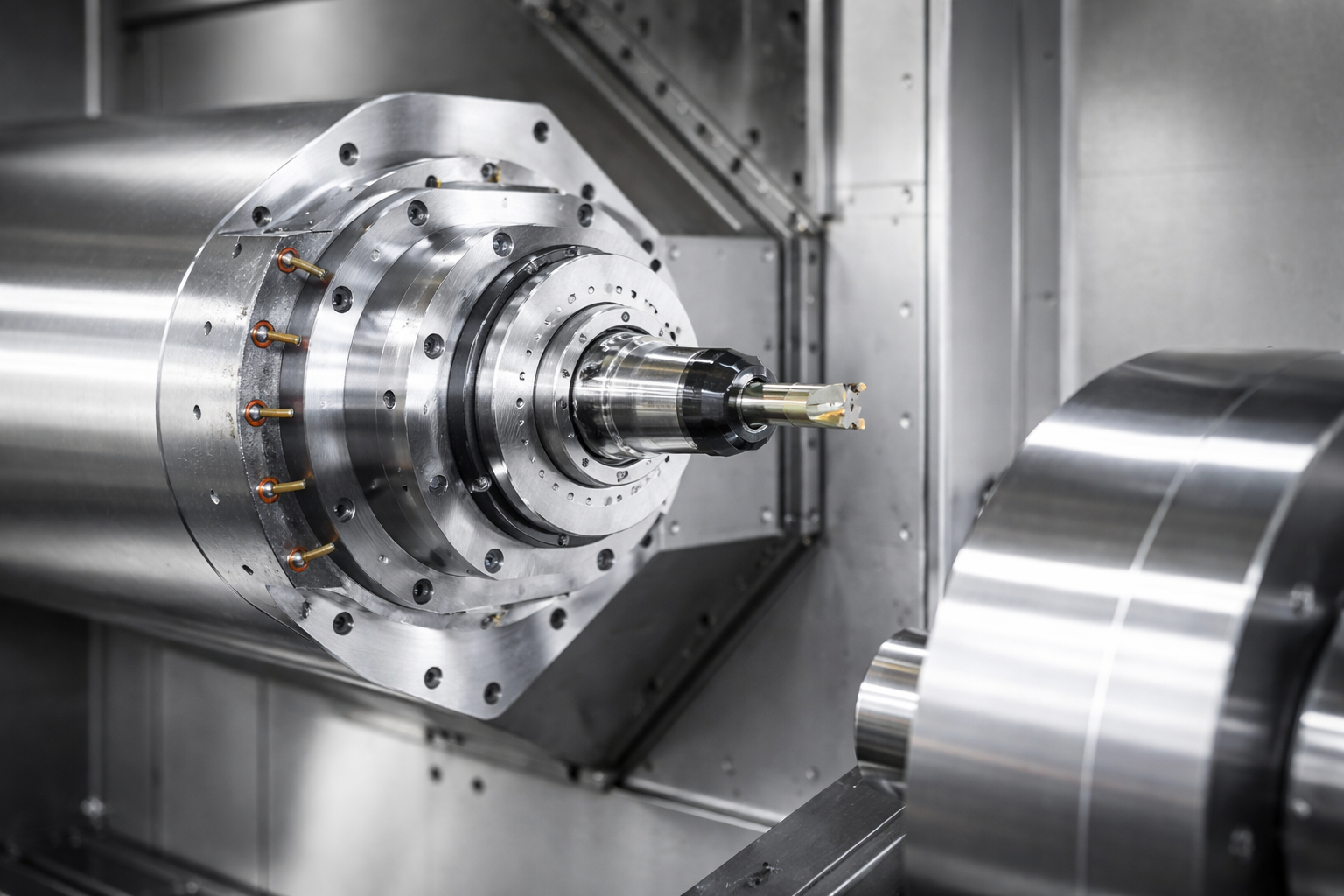
High-speed spindle motors advance CNC by honing precision, hastening efficiency, and amplifying productivity in swift scenarios.
Link up for bespoke solutions, guidance, or deeper insights – accelerate your processing today!
Frequently Asked Questions
How to choose the right spindle motor for my CNC machine?
Evaluate your processing speeds and material types upfront. We’ve learned that focusing on RPM capabilities ensures faster cycles without sacrificing quality. Confirm integration with your existing setup, and select cooling suited to high-speed demands – water for sustained runs. In our experience, prototyping with similar specs highlights compatibility issues early.
How can I tell if my spindle motor is failing?
Spot heightened vibrations during acceleration, or unusual heat after short bursts pointing to inefficiencies. Whining at high RPMs often means bearing stress. Most don’t notice gradual speed losses until too late, signaling electrical wear. Track performance metrics consistently.
What’s the difference between water-cooled and air-cooled spindles?
Water-cooled handle rapid heat from high speeds better, ideal for non-stop processing, but demand fluid management. Air-cooled offer quick setups and mobility, yet falter in extended fast ops. The trick? Match to your cycle lengths – we’ve seen water excel for volume production.
What’s the typical maintenance schedule for a spindle motor?
Daily checks for buildup and weekly lubes maintain peak speeds, with monthly alignments for balance. In our experience, bi-annual deep services avert high-speed failures. Scale to your intensity; fast-paced shops benefit from tighter routines.
How can I extend the lifespan of my spindle motor?
Prioritize debris removal and tool balancing to sustain high RPMs. Avoid sudden stops and use proper feeds. We’ve observed that temperature logging prevents overheating surprises – why risk burnout when simple habits pay off?