Penerangan
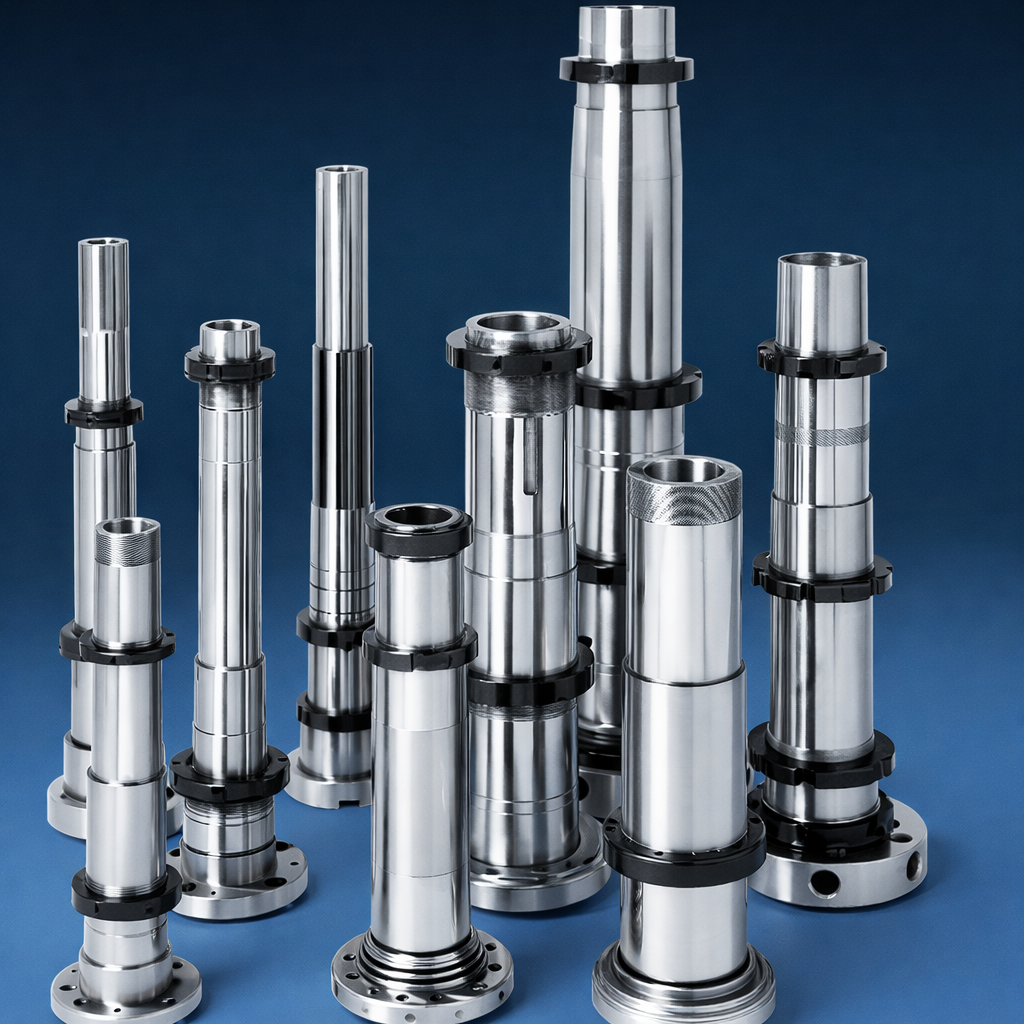
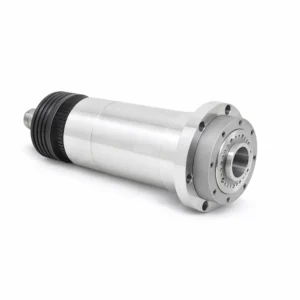
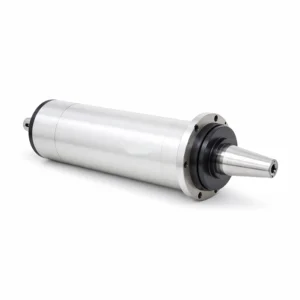
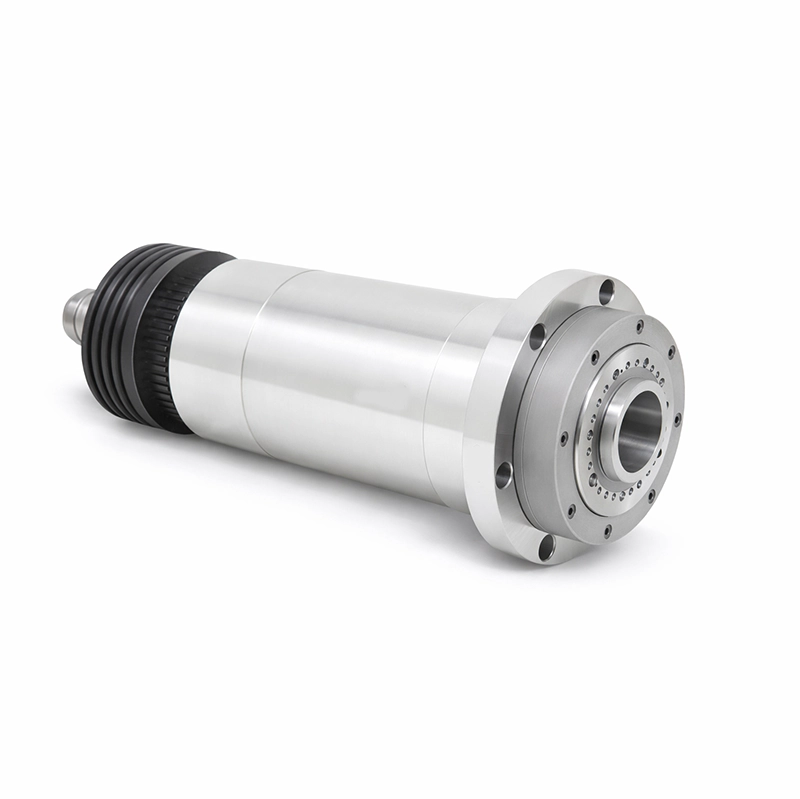
Dutch small-scale operations thrive on clever, space-saving tech like our compact spindle motor, designed specifically for tighter CNC environments. We’ve observed many hobbyists and pros alike wrestling with bulky motors that overwhelm their benches, leading to awkward workflows and higher energy bills, but a streamlined CNC spindle motor turns that around, offering agility in constrained spaces. This delve into compact solutions highlights their role in boosting Dutch precision crafting, where innovation fits neatly into everyday setups.
What is a Spindle Motor?
A spindle motor powers the spin in small CNC machines, enabling tools to rotate and shape materials efficiently within limited areas. It serves as the drive unit, converting input power into motion for detailed work. We’ve come across how this compact functionality opens doors for desktop creators.
It works by channeling electricity through internal coils to generate magnetic pull, spinning the shaft and thus the attached tool – straightforward yet precise for small-scale tasks. This energy shift keeps operations smooth, even in confined spots. Most compact users don’t realize the role of efficient windings in maintaining speed without bulk.
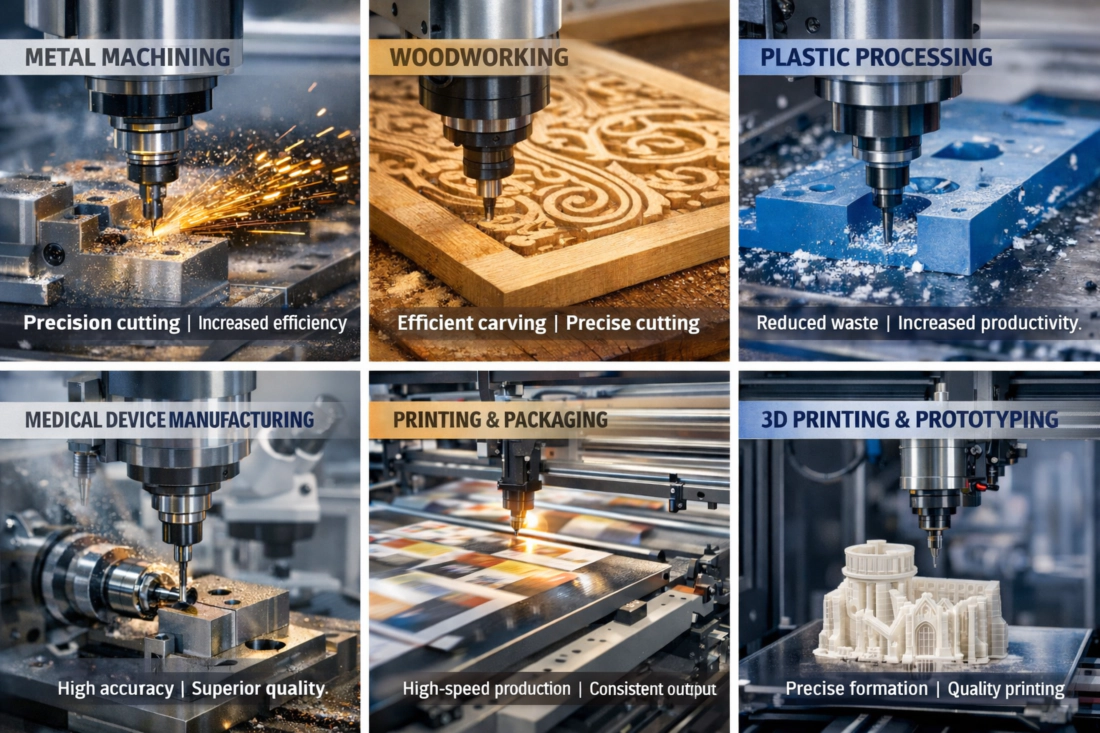
From metal etching in jewelry to wood detailing in models and plastic forming for prototypes, these motors adapt across fields – particularly useful in the Netherlands’ niche crafting scenes.
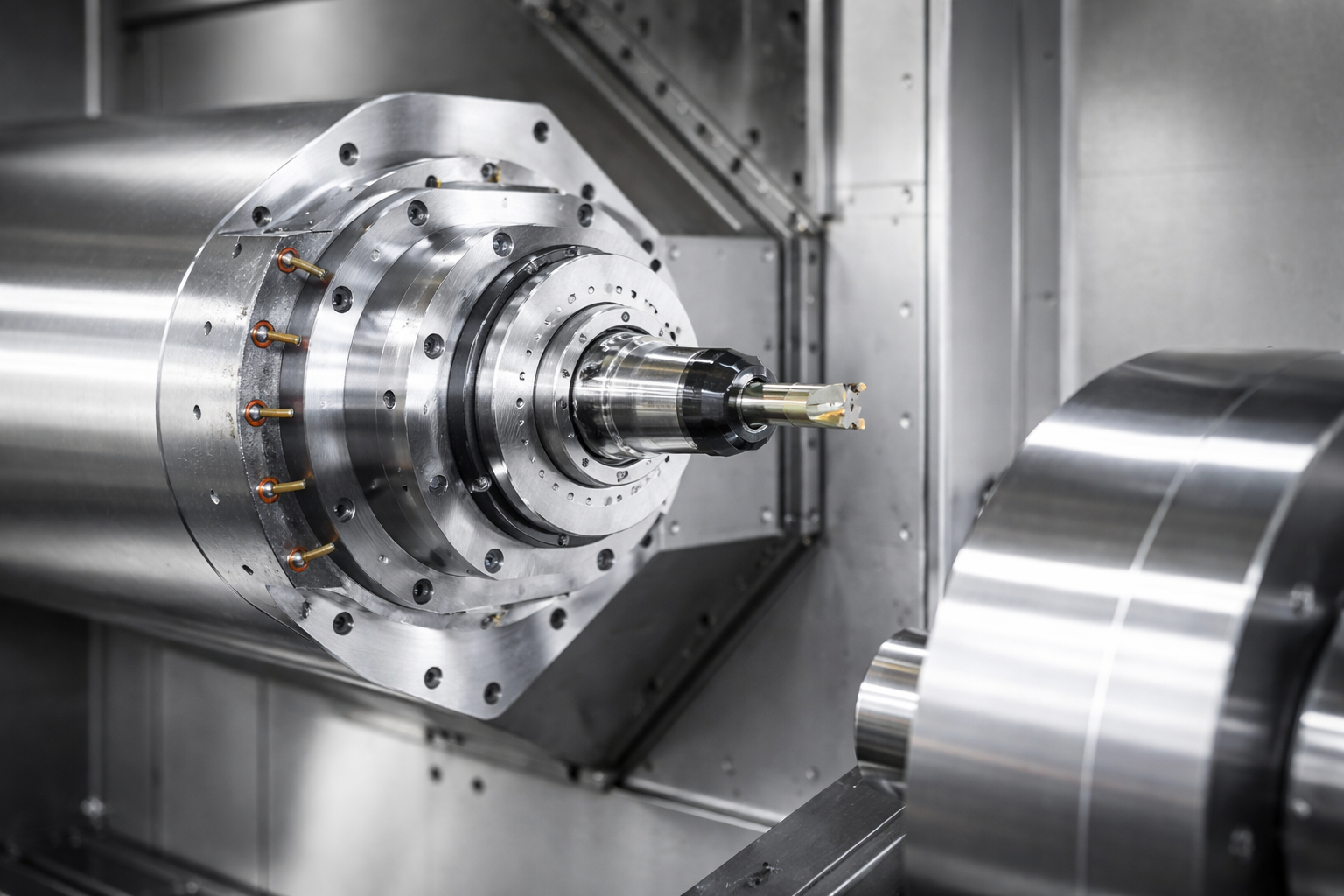
Key Factors to Consider When Choosing a Spindle Motor
Power and torque in compact models must align with your small machine’s capabilities; too much overwhelms the frame, but just right ensures crisp cuts without strain. We’ve guided selections by assessing job sizes – for intricate work, lower power with steady torque prevents overheating in tight quarters. Guide: Match to your voltage supply, say 1-5 kW for benchtop use.
RPM shapes the outcome; higher for fine details on soft woods, moderated for metals to avoid chatter. In our experience, 10000-24000 RPM suits most small CNCs, adjustable to material for best finishes.
Cooling for compacts: air systems keep things light and simple, ideal for space-saving, though water offers better heat control but adds weight. The trick? Go air if your ops are intermittent in small shops.
Precision matters hugely in limited setups; high accuracy reduces errors in detailed pieces. Look for low backlash designs to hold tolerances tight.
Lifespan benefits from regular care – clean monthly, inspect bearings quarterly to minimize halts. Most small users skip this, shortening life unnecessarily; planned checks can add years!
| Factor | Why It Matters for Small CNC | Tips |
|---|---|---|
| Power/Torque | Fits compact frames | 2-7 kW / 5-15 Nm |
| RPM | Enhances detail work | 8000-25000 RPM |
| Cooling | Keeps size down | Air for portability |
| Precision | Critical in tight spaces | <0.01mm runout |
Special Demands in the Dutch Market
Netherlands’ crafting sector values compact, efficient CNC tools for urban workshops and innovative startups, stressing precision in constrained spaces.
Local needs emphasize reliability, green features, and performance in small footprints to match eco-policies. Our compact spindle motors respond with lightweight, efficient designs that cut noise and power use.
CE and EU compliant, ensuring safety and sustainability for Dutch integrations.
A Haarlem hobbyist mentioned: “Perfect fit for my desk setup; no more bulky vibes ruining my flow.” From Alkmaar: “Energy saver in my small shop – quality holds up.” And a Leiden user: “Easy install, precise for models; support was spot on.”
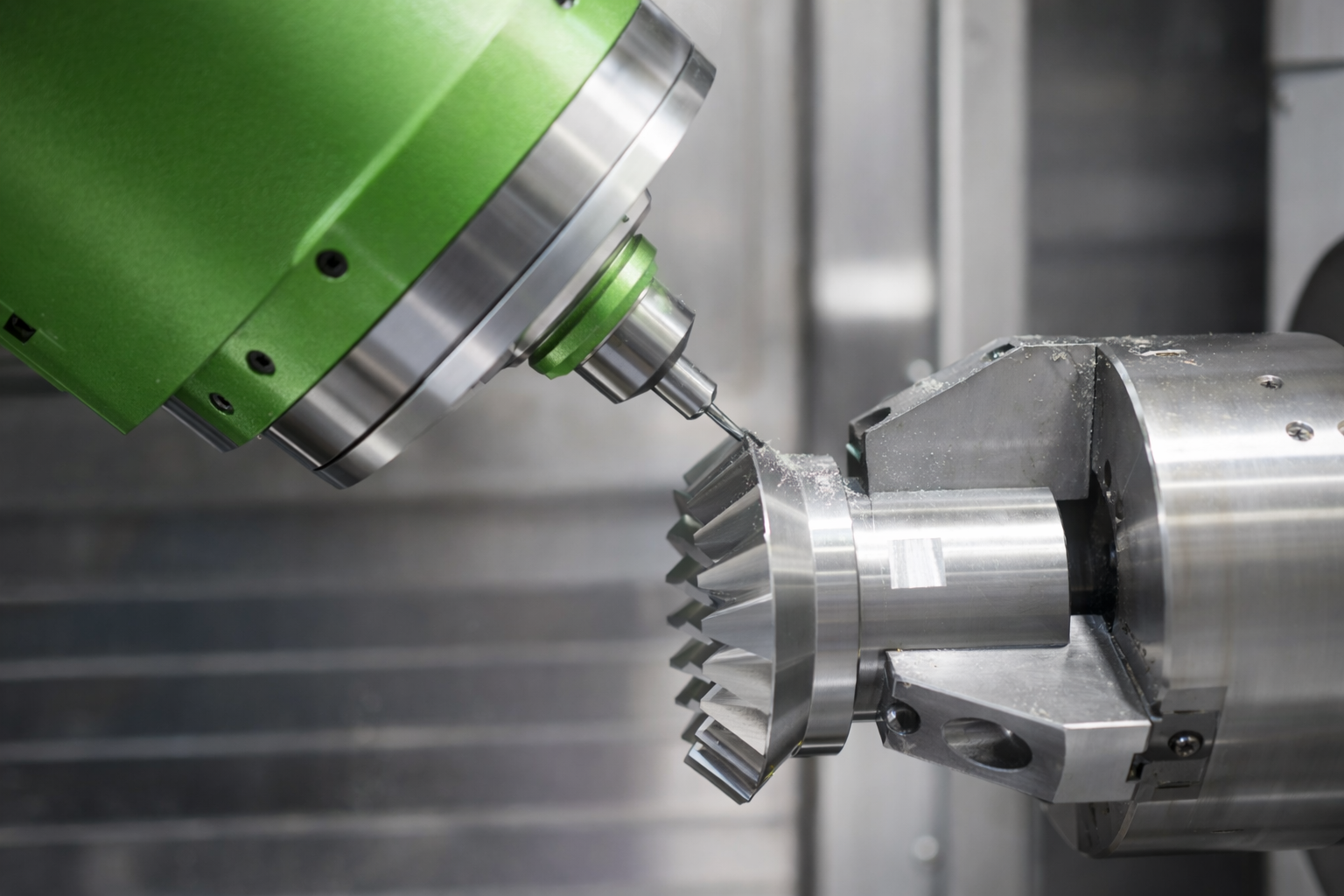
Your Guide to Buying with Us
Our compact tech delivers efficiency and accuracy, ideal for Dutch and EU small CNC demands with slim profiles that don’t compromise power.
Support includes setup help, training, and ongoing fixes to keep your mini lines running smooth.
ISO and CE certified, with tales like a Dutch modeler tripling output in limited space, building assurance.
Custom compacts for unique small apps, like adjusted mounts for desktop rigs.
Fast shipping from local stocks cuts wait times for your compact needs.
Application Scenarios: Spindle Motor in Various Industries
Metalworking in small CNCs uses compacts for precise etches, boosting detail in jewelry without big footprints.
Woodworking fits neatly for model carvings, enhancing speed in hobby spaces.
Plastics see efficient forming, reducing scraps in prototype runs.
Medical prototyping demands accuracy in tiny parts, ensured by slim motors.
Printing ops accelerate with compact spins for consistent labels.
3D prototyping relies on precision in limited benches for quality builds.
Product Advantages: Why Choose Our Spindle Motor?
High efficiency in small packages offers speed and precision with low draw, saving on bills for Dutch compact users.
Durable builds handle daily use in tight spots, cutting failures.
Controls dampen vibes, keeping accuracy high in small machines.
Eco-friendly with quiet ops, meeting EU green rules.
Versatile for various small CNCs, customizable for specifics.
Top service ensures ongoing optimization for your setup.
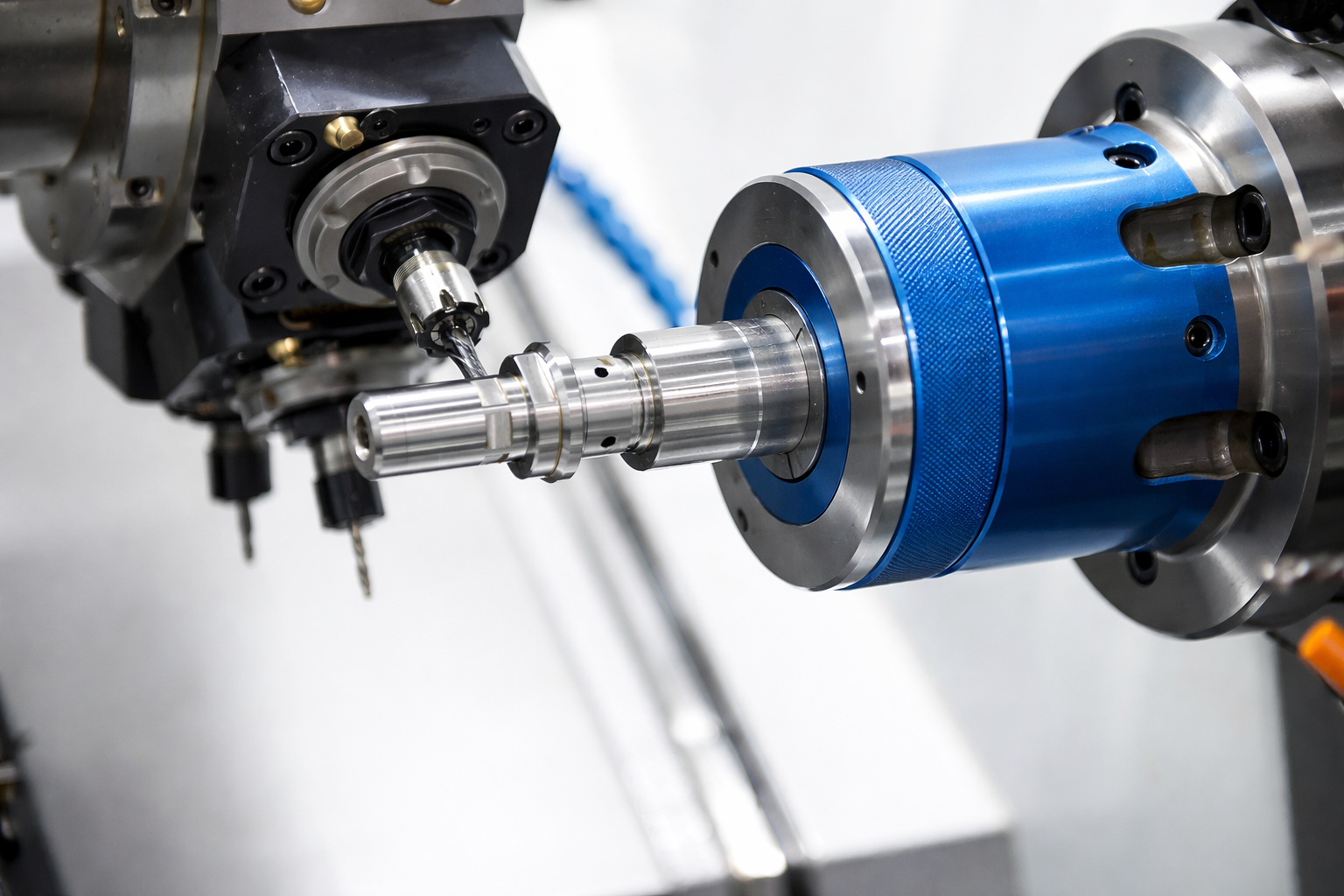
Take the Next Step
Compact spindle motors enhance small CNC precision, efficiency, and productivity in space-limited tasks.
Reach out for custom options, advice, or chats – optimize your small setup now!
Frequently Asked Questions
How to choose the right spindle motor for my CNC machine?
Look at your small CNC’s space constraints and power needs first. We’ve discovered that compact models with balanced torque fit best in tight setups. Measure your mount points, and choose cooling that doesn’t add bulk – air for simplicity in hobby shops. In our experience, comparing wattage to your typical jobs avoids overkill.
How can I tell if my spindle motor is failing?
Notice if vibrations spike in your compact unit, or if it heats up quicker than usual during light tasks. Squeaks at startup might indicate bearing troubles. Most small machine users overlook minor RPM dips, which hint at wiring issues. Test with a multimeter for consistency.
What’s the difference between water-cooled and air-cooled spindles?
Water-cooled keep temps low in prolonged use for small CNCs, but add hoses that clutter space, while air-cooled are compact and easy, though less efficient in heat. The trick for limited setups is air unless you’re pushing limits – we’ve noted it suits most desktop ops.
What’s the typical maintenance schedule for a spindle motor?
Wipe down weekly to clear dust in small machines, and check connections monthly. In our experience, annual bearing lubes prevent early wear. For compact models, adjust if used daily; light users can stretch to bi-annual full checks.
How can I extend the lifespan of my spindle motor?
Store in dry spots to avoid moisture damage, and balance tools every session. Run at recommended speeds, not max constantly. We’ve seen that simple dust covers double life in small shops – isn’t that a easy win?