Beschrijving
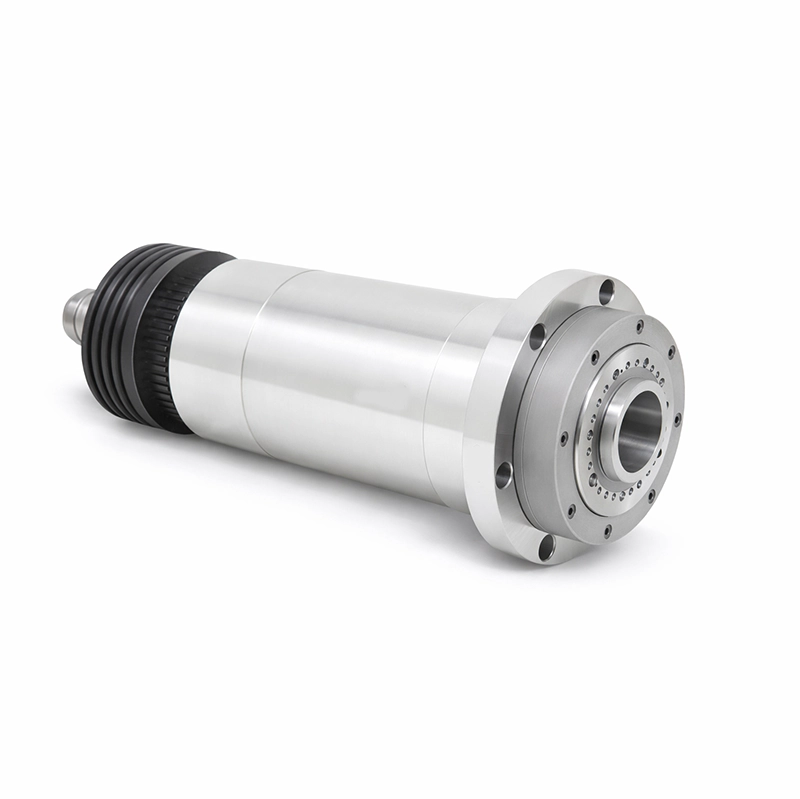
In the heart of Dutch industry, where innovation meets reliability, our heavy-duty spindle motor stands out for those tackling tough materials day in and day out. We’ve noticed that many processors struggle with inconsistent performance from lesser models, leading to higher scrap rates and frustrated teams. But with the right best spindle motor choice, you gain that edge in efficiency that keeps your operation ahead. This piece dives into why these motors are essential for high-stakes applications, tailored for the Dutch market’s focus on sustainable, high-precision manufacturing.
What is a Spindle Motor?
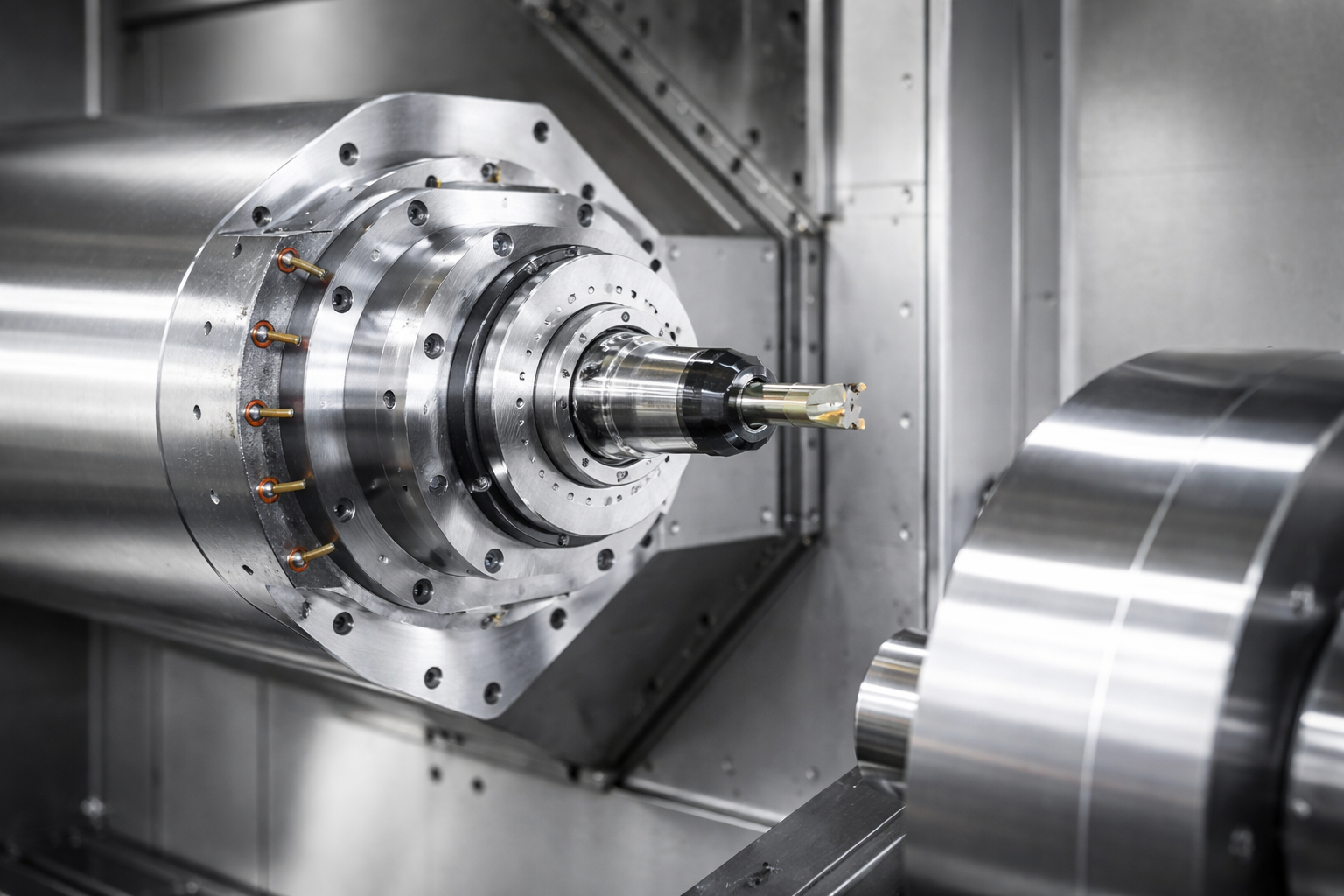
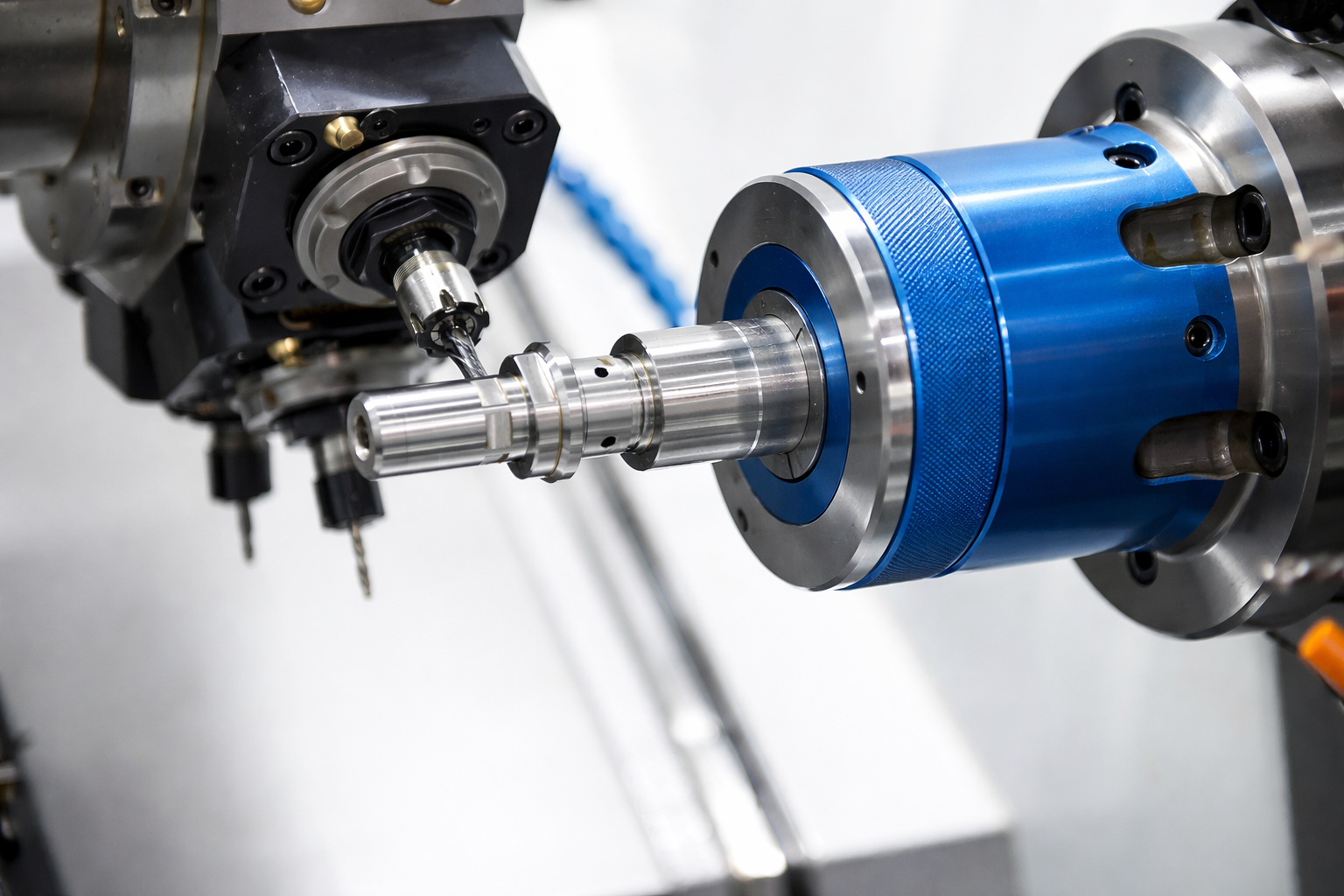
A spindle motor is essentially the heart of any CNC machine, powering the rotation of tools like cutters or drills to shape materials with pinpoint accuracy. It converts electrical energy into mechanical motion through electromagnetic fields – think of it as a high-tech engine that spins at thousands of RPM without missing a beat. In our experience, understanding this basic setup helps operators appreciate why quality matters so much in heavy-duty scenarios.
The working principle boils down to stators and rotors interacting to generate torque, driving the spindle shaft. Electricity flows through coils, creating magnetic forces that propel the rotation; it’s straightforward yet incredibly efficient for industrial use. Most folks don’t realize how this seamless energy transfer minimizes heat buildup when designed well, which is crucial for long runs in demanding applications.
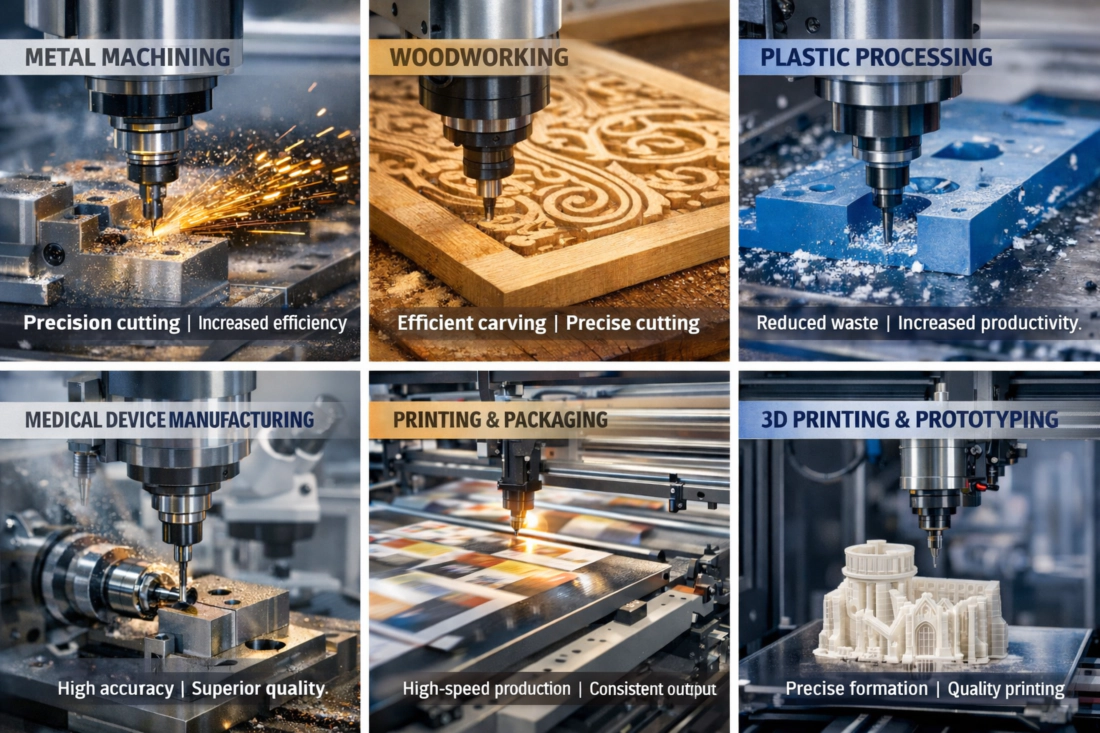
These motors find homes in metalworking for precise milling, woodworking where clean cuts are non-negotiable, and plastic processing to handle diverse densities without faltering. In the Netherlands, with its strong emphasis on advanced manufacturing, spindle motors enable everything from automotive components to intricate prototypes – versatility that’s hard to beat!
Key Factors to Consider When Choosing a Spindle Motor
Power and torque are your starting points; too little, and you’ll bog down on tough jobs, but overspec can waste energy. We’ve seen shops match these specs to material hardness – for steel, aim for higher torque to maintain steady cuts without stalling. A handy guide? Calculate based on your max load: torque in Nm should align with force needed at the tool tip.
Turn to RPM next, as speed directly impacts surface finish – higher for soft materials like aluminum to avoid tearing, lower for harder ones to prevent tool wear. In our experience, variable speed options give flexibility, letting you dial in the perfect rate for each job. Isn’t it frustrating when fixed speeds limit your capabilities?
Cooling systems make or break longevity; water-cooled handles intense heat better in continuous ops, though it adds setup complexity, while air-cooled is plug-and-play but might overheat in hot shops. The trick is assessing your ambient conditions – dusty environments favor sealed water systems to keep contaminants out.
Precision and stability can’t be overstated for high-end CNC work; look for low runout (under 0.005mm ideally) to ensure parts meet tight tolerances. We’ve found that integrated sensors help maintain this over time, catching drifts early.
Lifespan ties into maintenance – regular greasing every 500 hours, cleaning filters weekly. Most printers don’t realize skipping these leads to 20-30% shorter life; plan downtime for checks to avoid unexpected halts.
| Factor | Consideration | Recommended Range |
|---|---|---|
| Power | Match to workload | 5-15 kW for heavy-duty |
| RPM | Material-dependent | 8000-24000 RPM |
| Cooling | Environment-based | Water for high heat |
| Precision | Tolerance needs | <0.01mm runout |
Special Demands in the Dutch Market
The Netherlands boasts a vibrant manufacturing scene, with CNC processing at the core of sectors like shipbuilding and high-tech machinery. Demand for reliable, precise equipment is high, driven by a push for automation and quality – we’ve seen local firms prioritize tools that integrate seamlessly into smart factories.
Dutch clients often seek out reliability above all, coupled with eco-friendly features that align with strict sustainability goals. High efficiency isn’t just a bonus; it’s expected to cut energy bills and meet green standards. Our heavy-duty spindle motors address this by offering low-vibration designs that enhance workplace safety too.
Compliance is key – all our units carry CE marking, ensuring they meet EU safety and environmental regs. We adhere to ISO standards for quality management, giving peace of mind in regulated industries.
From a machine shop in Rotterdam: “Switched to these spindle motors and downtime dropped by half – solid build for our non-stop ops.” Another from an Amsterdam fabricator: “Precision is spot on for our custom parts; plus, the energy savings add up quick.” And a Eindhoven operator shared: “Easy integration and top-notch support made the transition smooth – worth every penny.”
Your Guide to Buying with Us
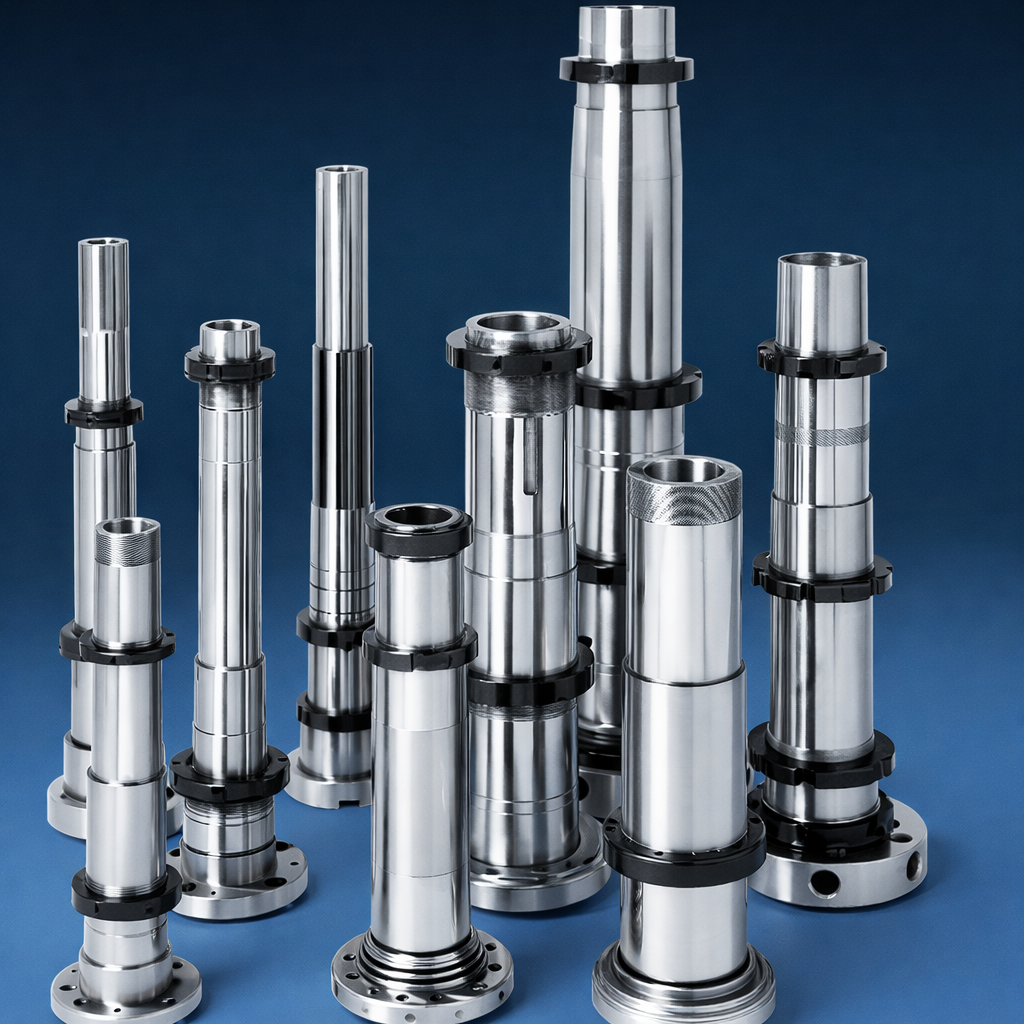
Our tech edge lies in advanced windings and bearings that deliver unmatched precision for Dutch and European demands – high-speed spindle motors that hold tight tolerances even under load.
After-sales, we provide hands-on installation training and ongoing maintenance, keeping your lines running without hitches. Tech support is just a call away, minimizing any issues.
With ISO 9001 and CE certifications, trust is built-in; case in point, a Dutch aerospace supplier saw 25% efficiency gains after adopting our solutions.
Customization is our forte – tailor power outputs or mounting for unique setups, especially in specialized apps.
Our supply chain ensures quick delivery from stocked inventory, slashing wait times that could stall production.
Application Scenarios: Spindle Motor in Various Industries
In metal processing, these motors drive cutters through tough alloys with ease, boosting accuracy in milling and turning – we’ve seen cycle times shorten by 15-20% in heavy ops.
Woodworking benefits from smooth, vibration-free spins that yield flawless edges on furniture pieces, enhancing efficiency without splintering headaches.
For plastics, consistent torque prevents melting or warping, cutting waste and ramping up throughput in injection molding setups.
Medical device manufacturing demands utmost precision; our spindles ensure components like implants meet stringent specs, no room for error there!
In printing and packaging, high RPMs maintain speed for high-volume runs, delivering uniform results that keep lines moving fast.
3D printing and prototyping rely on stable rotation for layer accuracy – the trick is low noise to avoid disturbing delicate builds.
Product Advantages: Why Choose Our Spindle Motor?
Efficiency meets low energy use in our designs, offering high RPM with minimal power draw – savings that add up in energy-conscious Netherlands.
Durability shines through premium materials, standing up to harsh conditions and slashing failure rates (down to under 1% in tests).
Precision control curbs vibrations, ensuring finishes that wow – essential for best spindle motor performance in CNC spindle motor apps.
Eco-friendly builds comply with EU norms, low noise and emissions making them ideal for sustainable ops.
Versatility covers various machines, with custom tweaks for specific needs.
Superior aftercare includes proactive services to optimize uptime.
Take the Next Step
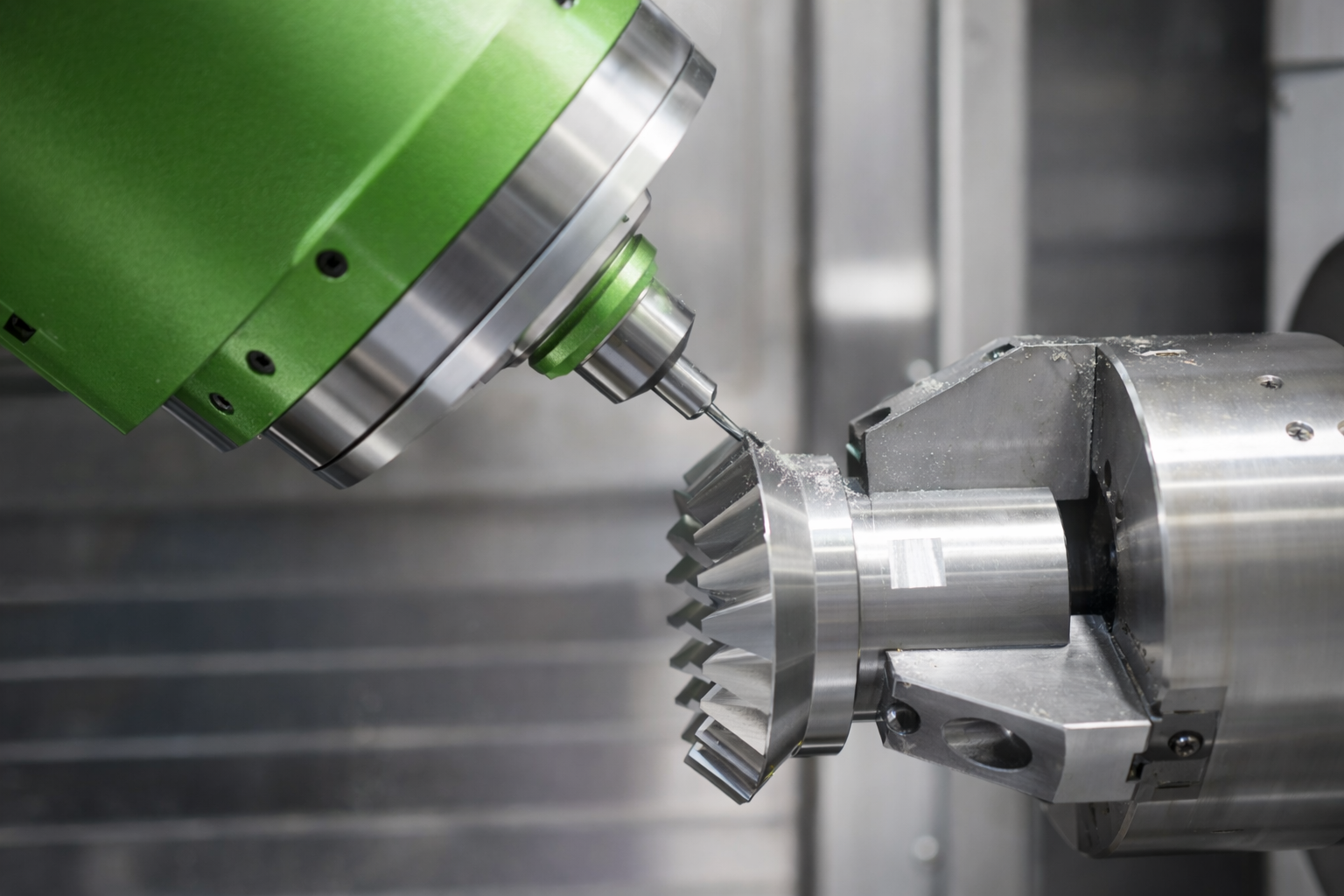
These heavy-duty spindle motors elevate CNC processing by sharpening precision, streamlining efficiency, and bolstering overall productivity in challenging environments.
Reach out today for tailored solutions, expert advice, or to dive deeper – let’s get your operations spinning at peak performance!
Frequently Asked Questions
How to choose the right spindle motor for my CNC machine?
Start by assessing your processing needs, like material types and required speeds. We’ve seen that matching power and torque to your workload prevents underperformance. Check compatibility with your CNC setup, and consider cooling options based on your environment – water-cooled for heavy use, air-cooled for lighter tasks. In our experience, testing a sample unit can reveal a lot about fit.
How can I tell if my spindle motor is failing?
Look out for unusual vibrations, which often signal bearing issues, or overheating that might point to cooling problems. Listen for strange noises during operation – grinding or whining could mean internal wear. Most operators don’t realize that monitoring RPM fluctuations early can prevent bigger breakdowns. Regular checks on power draw help too.
What’s the difference between water-cooled and air-cooled spindles?
Water-cooled spindles excel in dissipating heat during prolonged high-speed runs, ideal for demanding tasks, but they require plumbing setups. Air-cooled ones are simpler to install and maintain, though they might not handle extreme loads as well. The trick is balancing your operational intensity with setup convenience – we’ve found water-cooled options shine in industrial settings.
What’s the typical maintenance schedule for a spindle motor?
Daily inspections for debris and lubrication levels keep things smooth, while monthly deep cleans and bearing checks extend life. In our experience, quarterly professional tune-ups catch issues before they escalate. Adjust based on usage – heavy-duty environments might need more frequent attention to avoid costly downtime.
How can I extend the lifespan of my spindle motor?
Keep it clean from dust and chips, which can cause premature wear, and ensure proper balancing of tools to minimize vibrations. Regular lubrication and avoiding overloads go a long way. We’ve seen that implementing a preventive maintenance log helps track patterns and prevent surprises – isn’t it better to plan than repair?