Description
Mastering continuous high-speed routing, thermal stability, and uncompromising precision for the Netherlands’ most demanding architectural and furniture production lines.
Walking onto a high-volume production floor handling massive sheets of Baltic birch or dense MDF, the unmistakable high-pitched hum of a heavy-duty router operating in perfect synchronization is the true sound of profitability. We’ve seen countless highly capable facilities struggle to maintain their tight dimensional tolerances or suffer from unexplained burned edges on their wood panels, simply because the core rotational drive—the absolute beating heart of the entire cutting process—was fundamentally mismatched to the aggressive feed rates being pushed by the operators. Opting for the best spindle motor isn’t merely a routine procurement exercise to keep the supply chain team busy; it is the absolute foundation of your factory’s manufacturing efficiency and finished product quality. A truly efficient and durable drive completely transforms the machining dynamic on the floor, dramatically slashing unexpected repair costs while elevating the surface finish of every single nested part that rolls off your automated lines. In our experience working intimately with top-tier equipment procurement managers and seasoned machine operators from the sprawling woodworking hubs near North Brabant to specialized acoustic panel manufacturers around Amsterdam, the daily pressure to maintain ultra-competitive, lights-out manufacturing runs is higher than ever. The trick is understanding how advanced electromagnetic architecture naturally adapts to the sudden torque demands of hitting a dense wood knot, completely securing your production capabilities in a European landscape where absolute precision and minimal waste are the only accepted metrics.
Decoding the Technology: What Exactly is a Spindle Motor?
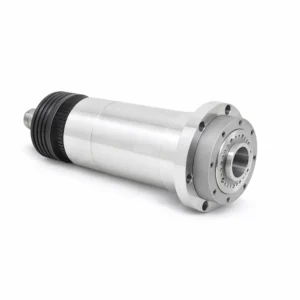
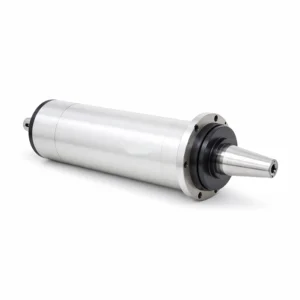
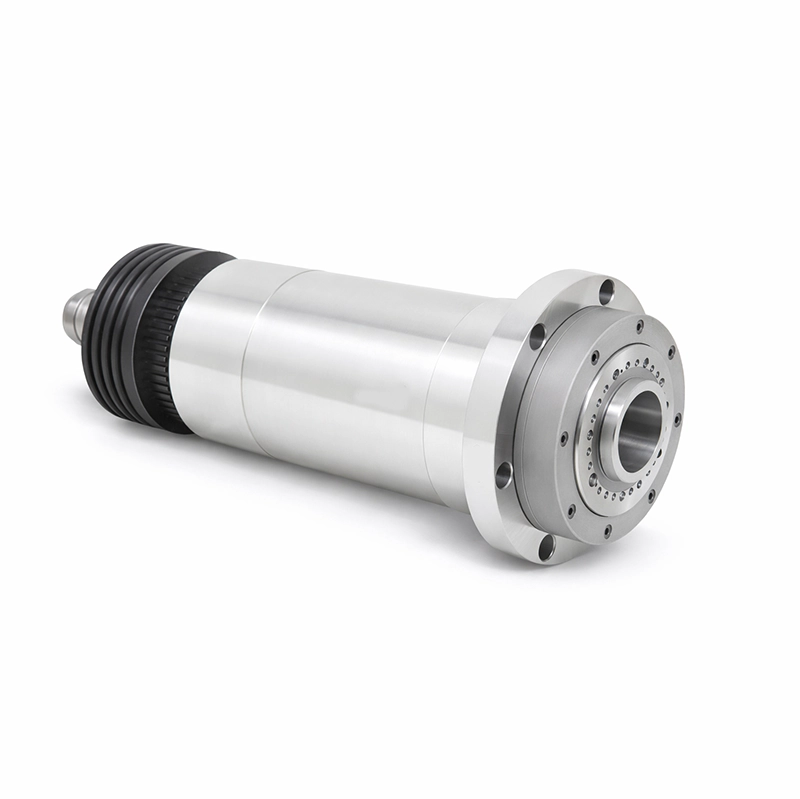
At its absolute most fundamental engineering level, a CNC spindle motor is an incredibly specialized electromagnetic drive designed exclusively to transmit intense, sustained rotational energy directly to a cutting tool, such as a router bit, endmill, or profile cutter. Comparing these advanced units to standard industrial factory motors is a massive oversight—standard induction motors simply spin conveyor belts or ventilation fans, whereas high-speed spindle motors are meticulously constructed to endure brutal radial and axial deflection forces (the physical pushback from the wood you are cutting) while maintaining absolute microscopic structural rigidity. The operational magic happens through a precision variable frequency drive (VFD) that manipulates raw electrical currents into a precisely rotating magnetic field within the dense copper stator coils. This rapidly shifting magnetic field violently forces the central rotor to turn without relying on physical brushes, instantly converting raw electrical grid power into the relentless mechanical shearing force required to slice cleanly through solid oak or abrasive composite panels.
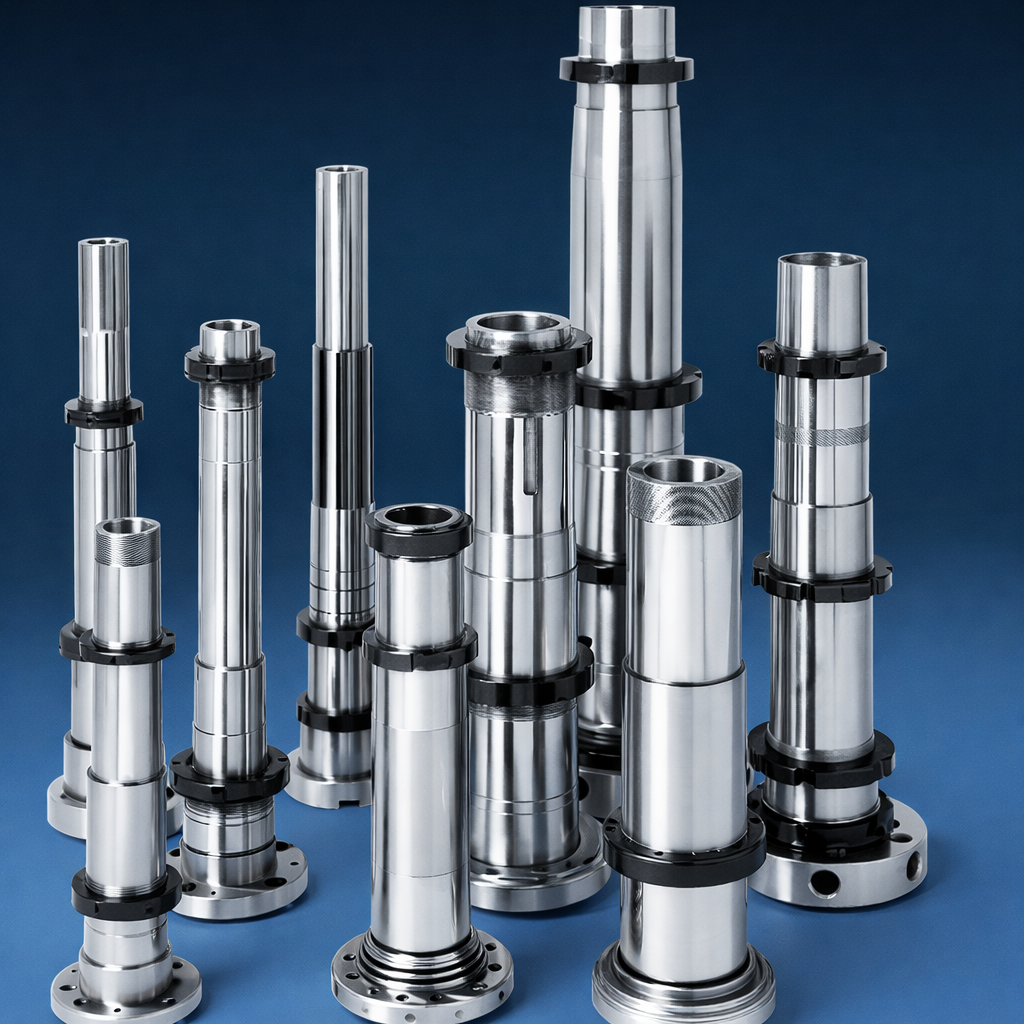
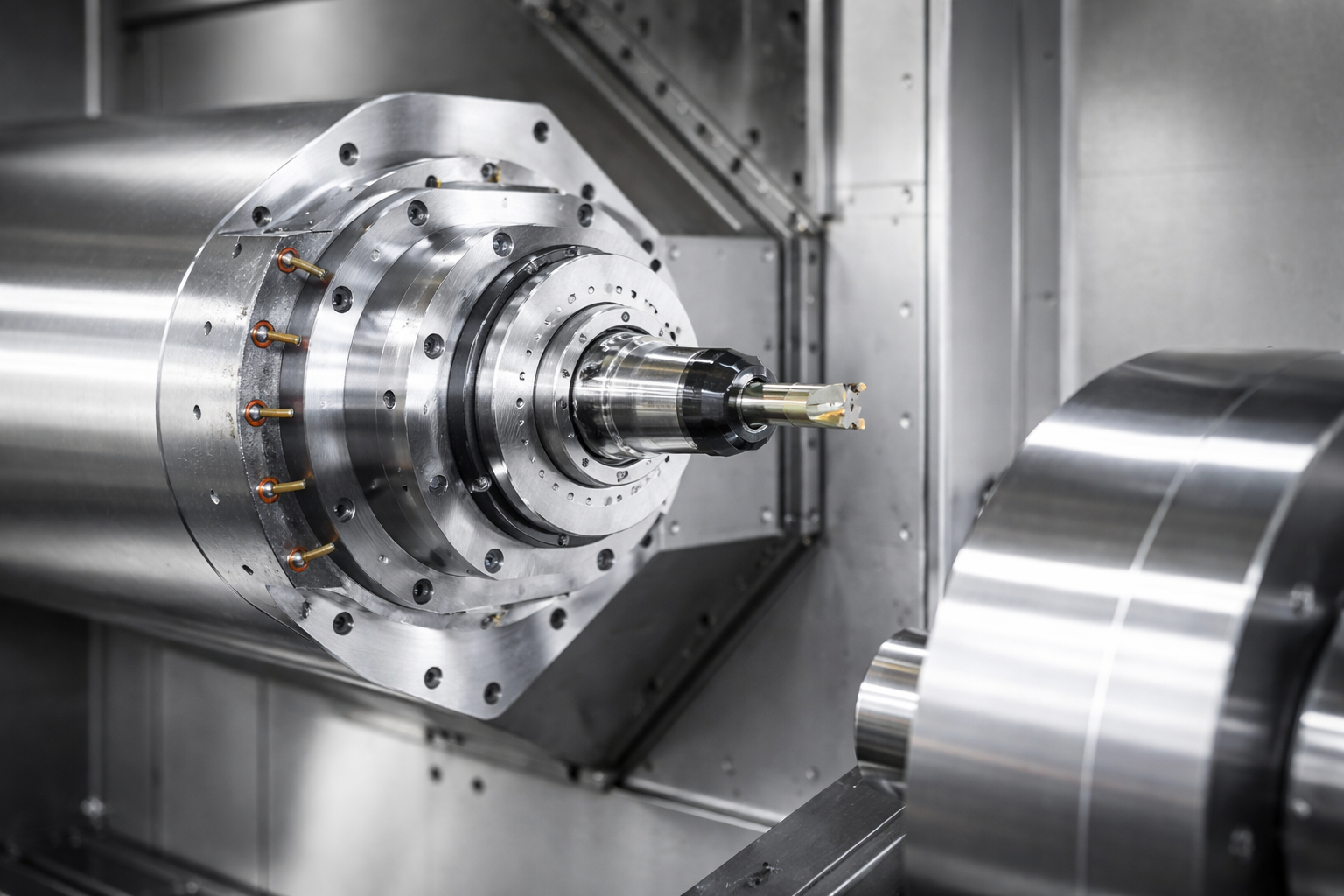
What genuinely elevates an efficient and durable model specifically designed for woodworking is the internal architecture surrounding those coils and the ultra-precision ceramic angular contact bearings that securely hold the rotating shaft. Wood routing demands blisteringly high rotational speeds (frequently between 18,000 and 24,000 RPM) to ensure the cutting flute slices the wood fibers cleanly rather than tearing them. Because pushing massive torque at these extreme speeds generates intense electrical and friction-based heat, these specific motors incorporate advanced thermal jackets or high-velocity aerodynamic cooling fins to aggressively pull heat away from the critical internal components. You will find these powerhouses deeply integrated across diverse industrial environments—ranging from heavy five-axis aerospace metalworking centers to delicate plastic engraving stations, but their true endurance is tested in the dust-filled, continuous-run environments of automated cabinetry and furniture fabrication.
Crucial Engineering Parameters to Evaluate Before Upgrading
Navigating the incredibly complex specifications of a new drive unit can feel completely overwhelming if you aren’t analyzing these engineering charts every single day, but zeroing in on the relationship between raw power and dynamic torque is always your safest starting point. Many shop operators fixate heavily on the peak horsepower rating (which always looks fantastic in a glossy machinery brochure) but completely miss the reality that massive low-end torque is the actual physical force required to push a heavy spoilboard surfacing bit across a massive MDF sheet without stalling the entire machine. Perfectly overlapping your selected motor’s torque curve with the specific density of your primary material—whether it is soft pine or notoriously dense tropical hardwoods—is what genuinely separates adequate performance from world-class manufacturing execution. This directly ties into rotational speed capabilities; spinning a large diameter profile cutter too fast will literally burn the wood edge and ruin the temper of the carbide inserts, while running a delicate compression bit too slowly causes the flutes to snap from overly aggressive chip loads.
When evaluating high-performance woodworking tasks, the heated debate around thermal management inevitably takes center stage on the shop floor. Liquid-cooled systems utilize an intricate network of internal channels to flow a chilled liquid mixture directly around the stator block, providing unmatched thermal stability for relentless 24/7 continuous carving (and they keep the fine wood dust from entering the motor core!). However, they do inherently require the integration of external chillers, pumps, and fluid maintenance. Specialized high-flow air-cooled designs leverage a shaft-driven or independent electric fan to blast ambient shop air across deep external heat sinks; they are brilliantly simple to install and essentially plug-and-play, provided your actual shop dust collection system is robust enough to keep the cooling fins from clogging. Precision and runout stability naturally follow thermal control; the best spindle motor will feature guaranteed sub-micron runout ratings at the taper, ensuring that the intricate joinery you program in your CAD software fits together perfectly right off the machine. Keeping that runout in check relies entirely on your dedication to proactive spindle motor maintenance, transforming what used to be a frantic emergency repair job into a highly predictable, manageable routine.
Meeting the Rigorous Standards of the Netherlands Market
The contemporary manufacturing landscape stretching across the Netherlands represents a globally recognized hub of uncompromising precision engineering, heavily automated continuous workflows, and an intense, unwavering focus on sustainable production methods. From the spotless high-tech supply chains supporting the semiconductor industry to the massive architectural millwork facilities supplying European construction, Dutch engineering leans heavily on physical infrastructure that simply refuses to quit under pressure. Engaging closely with procurement teams in this region reveals that the conversation practically never revolves around finding the cheapest available option; it is deeply rooted in verifiable long-term reliability, total lifecycle operational costs, and rigid compliance with European environmental and energy standards. A premium CNC spindle motor deployed here must aggressively minimize wasteful power consumption through superior electromagnetic design, directly aligning with stringent corporate green initiatives and the stark reality of elevated industrial electricity costs across the continent.
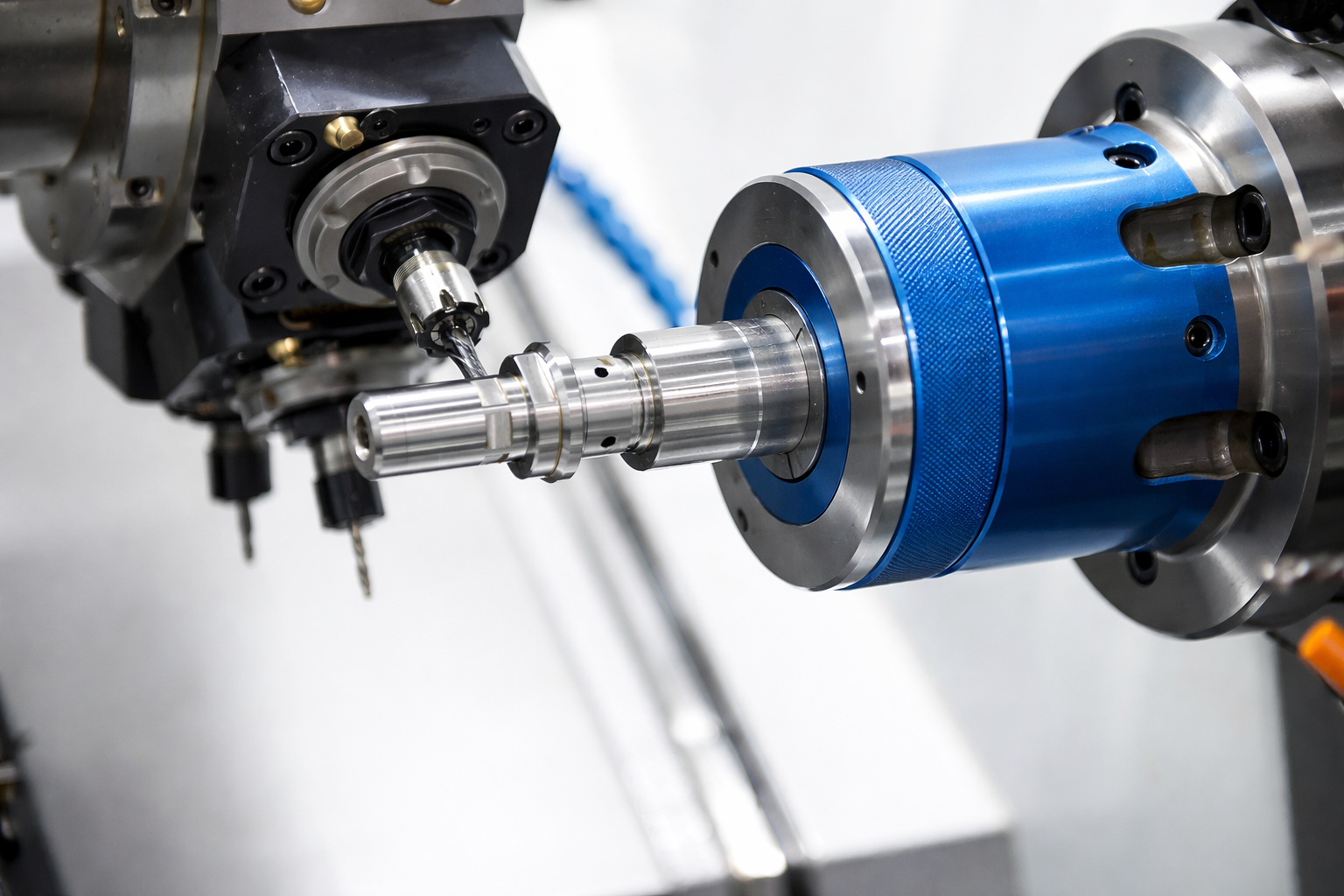
Furthermore, CE compliance and strict adherence to low-voltage and machinery directives are absolute baselines rather than optional upgrades. Every single integrated drive must seamlessly pass local safety audits and electromagnetic interference testing without raising a single red flag for the compliance officers. We know from shared experiences that in a highly optimized, tight-tolerance supply chain, waiting three weeks for a replacement component to clear customs simply isn’t a viable option, which makes partnering with a deeply integrated supplier who understands European regulatory demands completely indispensable.
Direct Voices from the Dutch Shop Floor
“We transition rapidly between aggressive plywood nesting and highly delicate solid hardwood 3D carving. Finding one versatile drive that handles both extremes without overheating was a constant struggle until we installed this unit. The taper runout is practically non-existent even during heavy cuts. It’s easily the most reliable CNC spindle motor upgrade we’ve made for our custom furniture shop in Utrecht!”
— Jeroen V., Production Director, Custom Cabinetry
“The comprehensive CE and ISO documentation was flawless right out of the box, keeping our facility compliance team perfectly happy. The cutting force handles thick, dense phenolic panels effortlessly, and the thermal stability is genuinely fantastic. We’ve managed to significantly cut down our monthly spindle motor maintenance checks because the labyrinth seals actually work.”
— Saskia D., Lead Manufacturing Engineer, Architectural Millwork
“For our high-volume operations, microscopic MDF dust used to constantly destroy our standard motor bearings within a few short months. The positive air-pressured sealing on these new efficient units keeps the contamination out completely. It’s been running double shifts for over a year with incredible, uninterrupted reliability.”
— Martijn K., Senior CNC Machinist, Commercial Interiors
Strategic Procurement: Elevating Your Manufacturing Partnership
Making a critical hardware decision based solely on a sterile specification sheet and the lowest initial price tag is a guaranteed recipe for disastrous future downtime on your production line. Our profound technological advantage lies in the obsessive, ground-up engineering of our rotor dynamics and proprietary stator winding techniques. This deliberate approach delivers industry-leading electrical efficiency while drastically mitigating the parasitic heat generation that notoriously plagues cheaper, poorly manufactured alternatives. We proudly possess a deep, robust portfolio of premium drive units that consistently exceed the stringent CE, ISO, and RoHS quality certifications mandated by European regulatory bodies, ensuring they integrate seamlessly into your current safety infrastructure.
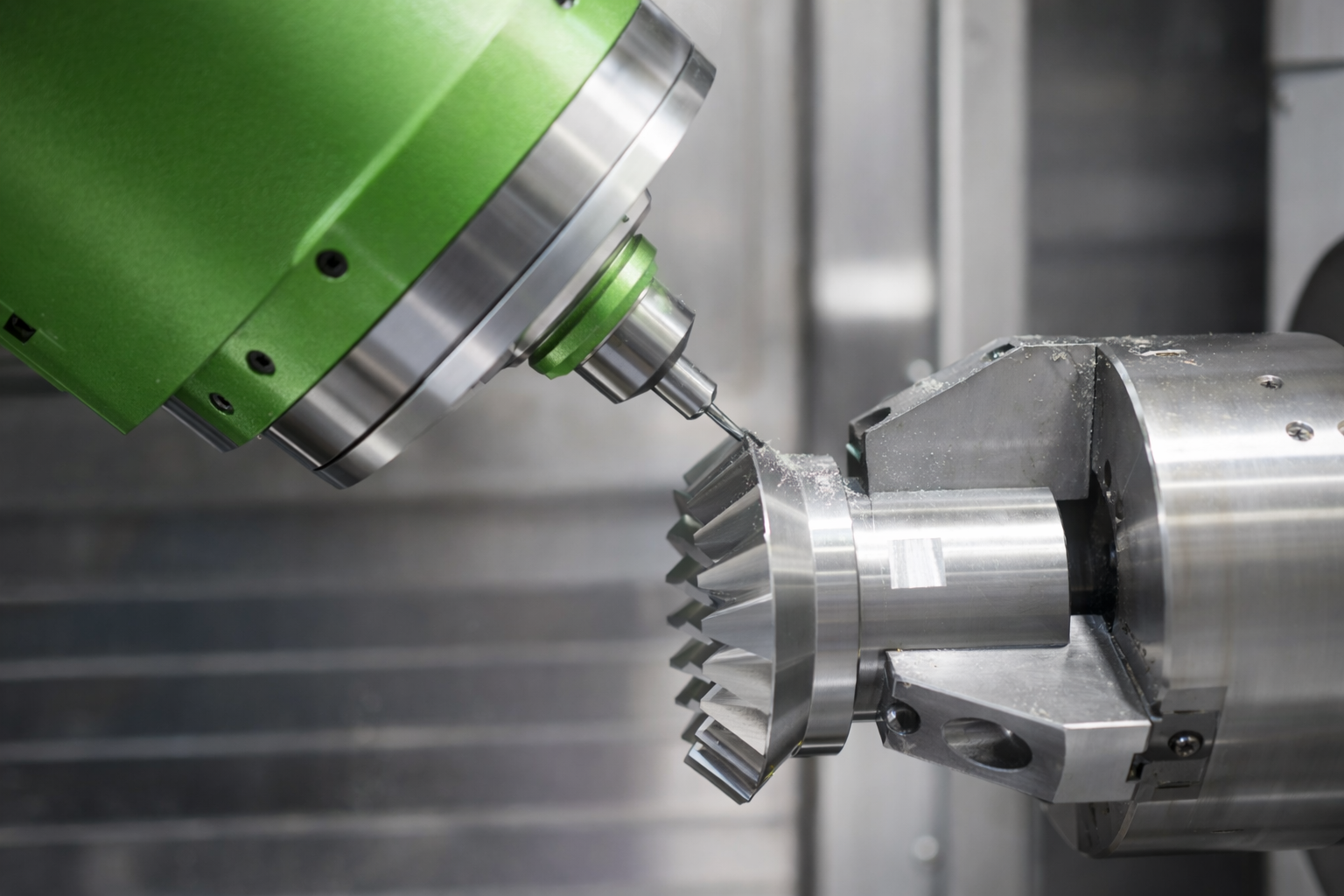
What genuinely separates our team from standard parts suppliers is a relentless commitment to comprehensive after-sales support and proactive spindle motor maintenance education. We don’t just ship a heavy wooden crate to your loading dock and suddenly stop answering your emails. Our dedicated engineering team actively collaborates with your local floor technicians to meticulously optimize your VFD acceleration parameters and establish critical baseline vibration signatures for predictive analysis. We inherently understand that standard catalog items rarely fit the highly complex, messy realities of bespoke machine building, which is exactly why our specialized engineering division thrives on providing rapid-response, deeply customized solutions (need a longer shaft extension to reach past an aggregate head? We’ve got you covered). Coupled closely with our highly optimized supply chain and robust European inventory management, we guarantee exceptionally rapid delivery times that actively prevent a single broken component from cascading into a catastrophic production halt.
Versatile Application Scenarios Across Advanced Industries
The remarkable versatility of a properly engineered CNC spindle motor allows it to serve as the beating heart across vastly different manufacturing disciplines. While woodworking—with its demands for blistering 24,000 RPM speeds to ensure a flawless, burn-free edge on hardwoods and abrasive sheet goods—is a primary focus, these motors are incredibly adaptable. In heavy-duty metalworking, the motor must consistently deliver immense radial stiffness and unyielding dynamic torque to perform rigid tapping operations and prevent the cutting tool from stalling or inducing horrific chatter marks on expensive aluminum or steel components. Transitioning into the realm of plastic and acrylic fabrication presents a highly delicate thermal balancing act; if high-speed spindle motors run too fast or the machine feed rate is too slow, the localized friction causes the plastic to literally melt and weld itself right back onto the cutter, instantly ruining the workpiece and potentially snapping the tool.
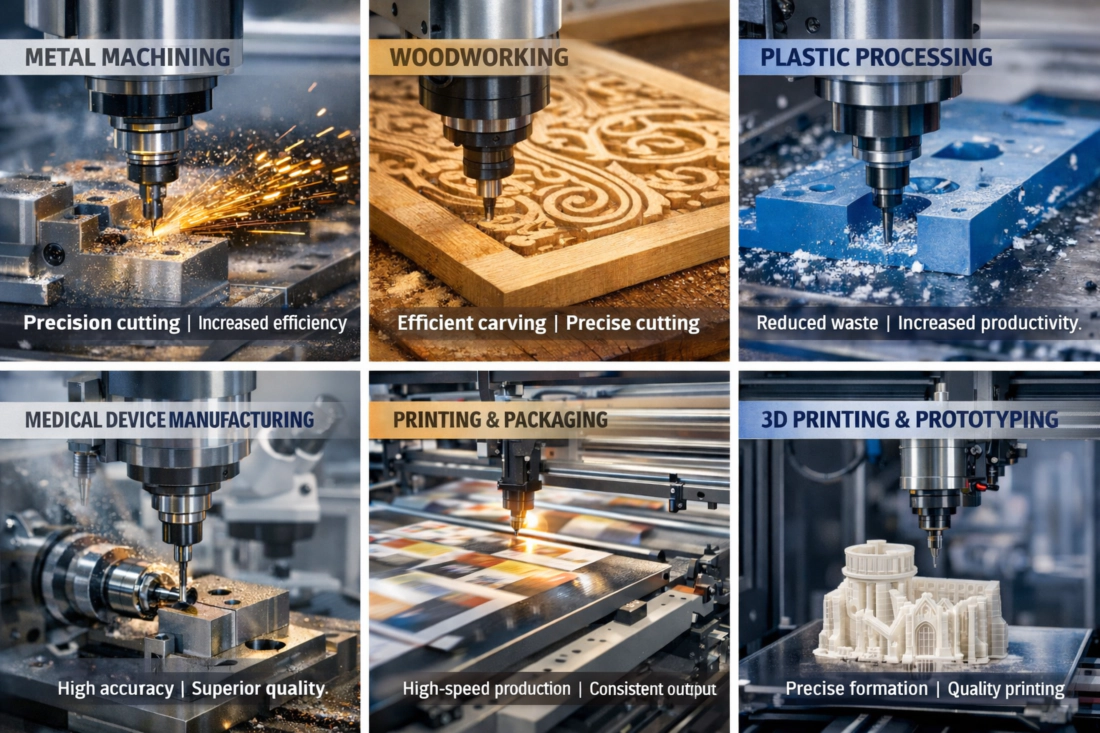
Diving deeply into more specialized sectors, the medical device manufacturing industry relies exclusively on these ultra-precision motors operating in strict cleanroom environments to flawlessly machine biocompatible implants out of notoriously difficult alloys. Dimensional tolerances here are strictly measured in single microns. In the rapid-paced world of industrial printing and packaging, most printers don’t realize that the absolute consistency of their high-speed rotary cutting dies and precise foil slitting mechanisms is entirely dependent on the drive motor’s closed-loop encoder feedback and absolute speed consistency—an area where cheap motors create massive registration errors. Even in the rapidly evolving frontier of large-scale industrial 3D printing and advanced rapid prototyping, modern hybrid machine tools seamlessly combine additive polymer deposition with subtractive milling, relying heavily on lightweight, versatile spindle motors to precisely clean up printed surfaces on the fly.
Engineering Excellence: Tangible Product Advantages
Deciding to decisively upgrade your factory machinery with our advanced drive systems introduces immediate, highly measurable improvements across your entire manufacturing workflow. The meticulously balanced electromagnetic design translates directly into exceptionally low energy consumption, offering a massive operational advantage for Dutch facilities aggressively looking to slash their carbon footprint and reduce monthly utility bills. Unyielding durability is physically engineered into every unit; by exclusively utilizing aerospace-grade steel alloys and precision-ground ceramic hybrid bearings, these premium drives easily shrug off the heavy impact loads of aggressive nesting and plunge cutting. This inherent mechanical stiffness provides absolute precision control and dramatically lowers harmonic vibration at the very tip of the cutting edge.
| Core Engineering Feature | Direct Production Impact on Woodworking | Technical Capability |
|---|---|---|
| Ultra-Low Taper Runout | Eradicates tool chatter, heavily improves edge finishes on melamine, and extends carbide router bit life. | Consistently < 0.002mm |
| Ceramic Hybrid Bearings | Massively reduces thermal expansion and internal friction during continuous 24,000 RPM high-speed carving. | Rated for 24,000+ RPM |
| Optimized Thermal Jackets | Prevents catastrophic stator burnout and maintains Z-axis dimensional stability during long 3D relief cuts. | High-Flow Liquid or Air |
| Dynamic Low-End Torque | Permits aggressive material hogging in dense tropical hardwoods without the motor stalling out mid-cut. | VFD Optimized Profiles |
Moving entirely beyond raw mechanical output, our inherently eco-friendly design philosophy ensures rigid compliance with strict European noise and emission regulations, keeping your operators safer and allowing for a much better shop environment. We’ve purposely engineered these systems for extreme broad applicability, meaning a single, robust motor architecture can be seamlessly deployed across varying flatbed nesting routers, edgebanders, and bespoke robotic carving cells with minimal engineering friction. Choosing our equipment isn’t just a standard parts purchase; it is a definitive, highly strategic step toward completely modernizing your precision machining capabilities.
Expert Insights: Frequently Asked Questions
How do I precisely select the most suitable spindle motor for my CNC routing machine?
Selecting the perfect drive demands accurately mapping out your exact operational realities before ever looking at a catalog. You must specifically identify the primary materials you are machining (which absolutely dictates your necessary RPM and torque curves), understand the physical mounting constraints of your machine’s Z-axis plate, calculate the maximum weight your gantry can rapidly move during 3D carving, and verify your available shop power supply. We strongly advise letting our engineering team run a customized cutting force calculation for you, ensuring the motor’s power seamlessly overlaps with your exact tooling geometry to prevent costly under-powering.
What are the definitive warning signs that my spindle motor is starting to fail?
Catching a fault incredibly early is the trick to avoiding massive, unexpected repair bills. The most glaring initial indicator is usually an unexplained, sudden deterioration in the edge finish of your machined wood parts, heavily pointing to bearing wear introducing taper runout. You should actively listen for high-pitched whining, harsh metallic grinding, or any distinct change in the normal operational hum. Keep a very close eye on thermal output; if the outer motor housing becomes painfully hot to touch, you likely have severe bearing degradation. Random VFD overcurrent alarms are also massive red flags that need immediate attention!
What is the actual operational difference between water-cooled and air-cooled drives?
It essentially comes down to balancing raw thermal efficiency against installation simplicity and your shop’s dust environment. Water-cooled CNC spindle motors actively circulate a liquid coolant through intricate internal passages, offering vastly superior heat dissipation which is mandatory for heavy-duty 24/7 milling or operating in high-dust environments where an air-fan might clog (they also run significantly quieter). Air-cooled models utilize an integrated fan to blast ambient air across external cooling fins. They are brilliantly simple to install since they don’t require external chillers, making them perfect for open-gantry woodworking routers provided you have excellent dust extraction at the spindle head.
What does a proper spindle motor maintenance schedule look like?
Flawless spindle motor maintenance is entirely about proactive, preventative habits. Daily, operators must rigidly ensure the internal taper and all collet cones are immaculately clean—even a microscopic speck of compressed MDF dust can throw off the balance and slowly destroy the ceramic bearings. Visually verify that all cooling pathways are completely unobstructed by wood chips. Weekly checks should involve inspecting heavy cable connections for flex-degradation and taking baseline vibration readings with a simple meter. A comprehensive professional teardown inspection should be scheduled every 6 to 12 months to verify internal runout and electrical insulation resistance.
Are there insider techniques to significantly extend the lifespan of my motor?
Absolutely, and the most critical step happens before the router bit ever touches the raw material! Always implement a strict, programmed warm-up routine. Slamming a completely cold spindle instantly to 24,000 RPM can physically skid the ceramic bearing balls before the internal grease has properly warmed and distributed, causing micro-pitting that drastically slashes their operational lifespan. Program a 5-minute cycle that gradually steps up the RPM. Always ensure your toolholders are perfectly balanced, use highly regulated electrical power, and if you utilize liquid cooling, rigorously treat the water with anti-corrosion inhibitors to stop jacket scaling.
Ready to Dominate Your Production Goals?
The core rotational components driving your CNC machinery absolutely dictate the ultimate quality, rapid cutting speed, and bottom-line profitability of your entire operation. Settling for subpar drives leads directly to compounding errors, wasted expensive wood panels, and highly unacceptable machine downtime. By integrating our top-tier, efficient woodworking spindle systems, you guarantee unparalleled accuracy and relentless productivity that effortlessly scales with your most aggressive manufacturing targets.