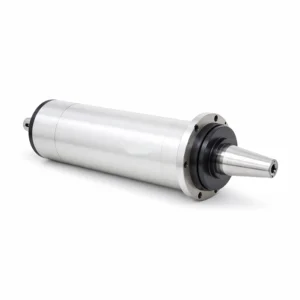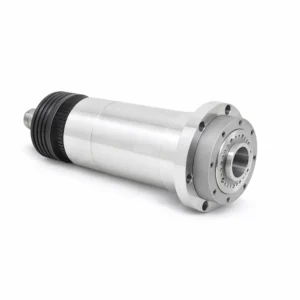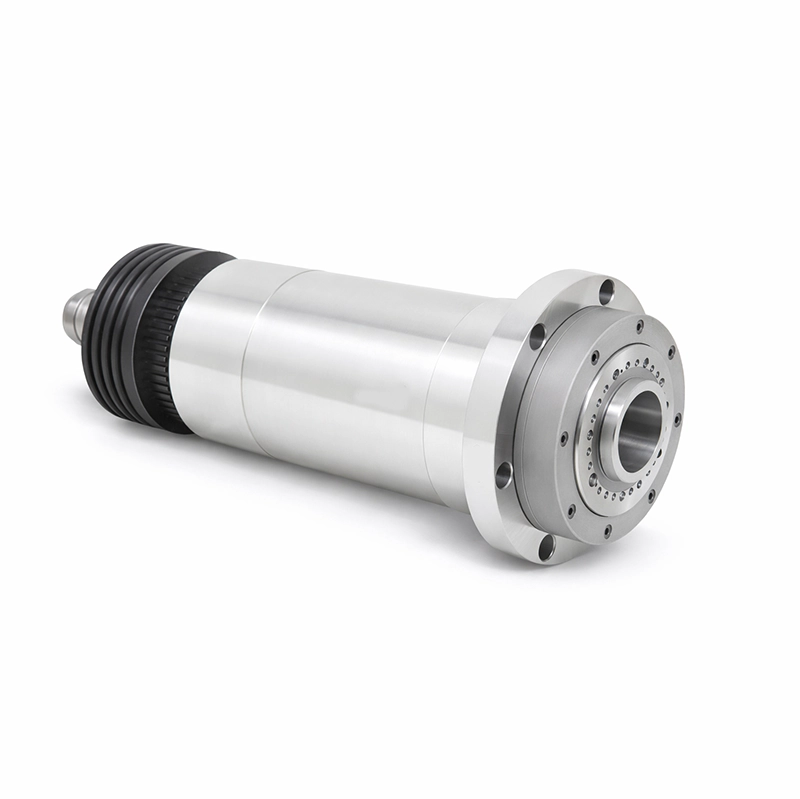
Opis
Unlocking relentless industrial precision, unyielding stiffness, and extreme thermal stability for the most demanding high-volume manufacturing floors across the Netherlands.
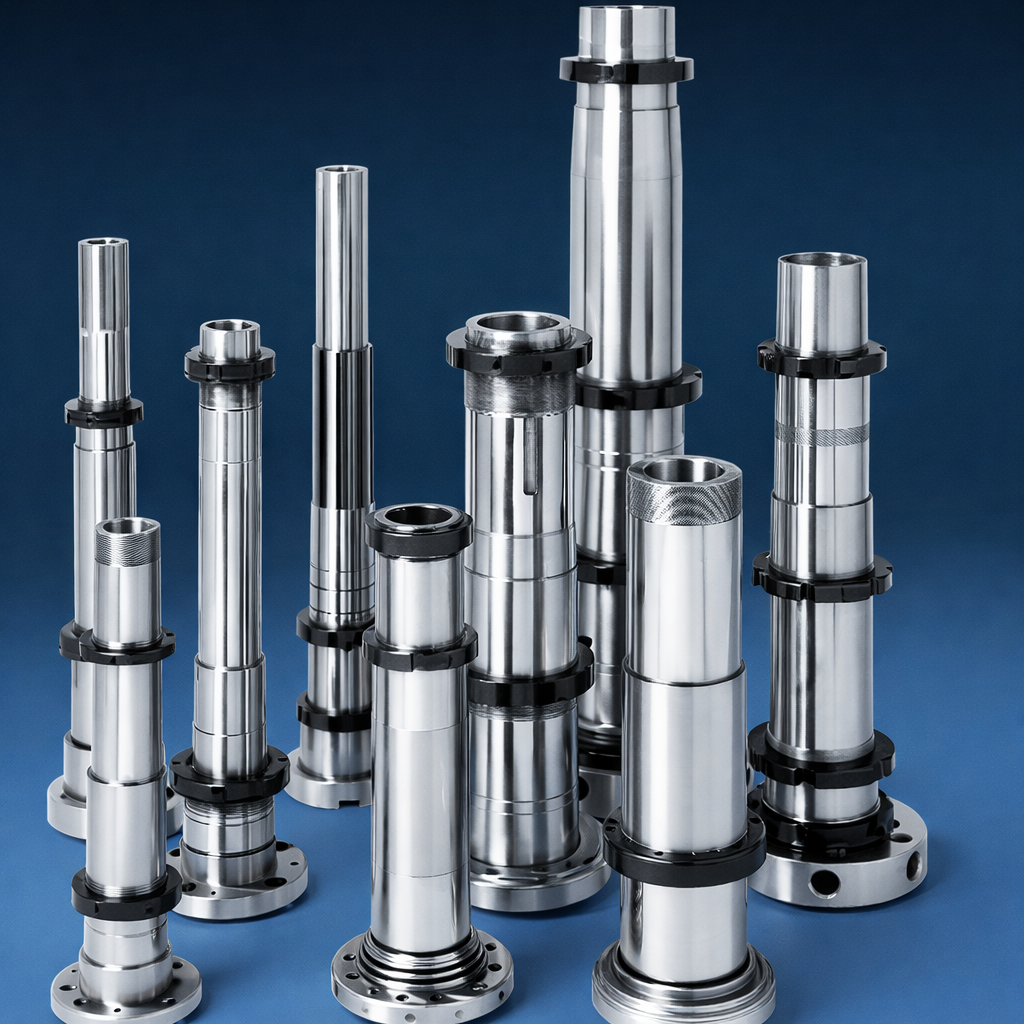
Walking through a heavily automated fabrication facility, the physical vibration of massive machinery hogging out thick tool steel or executing ultra-fine surface grinding is a completely different sensory experience than running a standard woodworking router. We’ve seen highly experienced production managers constantly battle with unacceptable surface chatter or suffer through catastrophic tool breakages, completely unaware that the core rotational drive spinning their cutter wasn’t actually engineered for sustained industrial metalworking loads. Choosing the best spindle motor is far more than a routine procurement checkbox; it is the absolute foundation of your facility’s daily profitability and final product integrity. Upgrading to a Premium Spindle Motor for Milling & Grinding completely shifts the dynamic on the shop floor, dramatically slashing the frequency of reactive repairs while instantly elevating the micron-level accuracy of every single part produced. In our experience working directly with precision machine builders and seasoned operators from the high-tech campuses of Eindhoven to the heavy maritime engineering yards near Rotterdam, the relentless pressure to deliver flawless, high-volume runs is immense. The trick is understanding how professional electromagnetic architecture delivers raw, unyielding torque and zero-deflection stiffness without catastrophic overheating, completely securing your production capabilities in a Dutch market where precision is the only accepted currency.
Decoding the Core: What Exactly is a Spindle Motor?
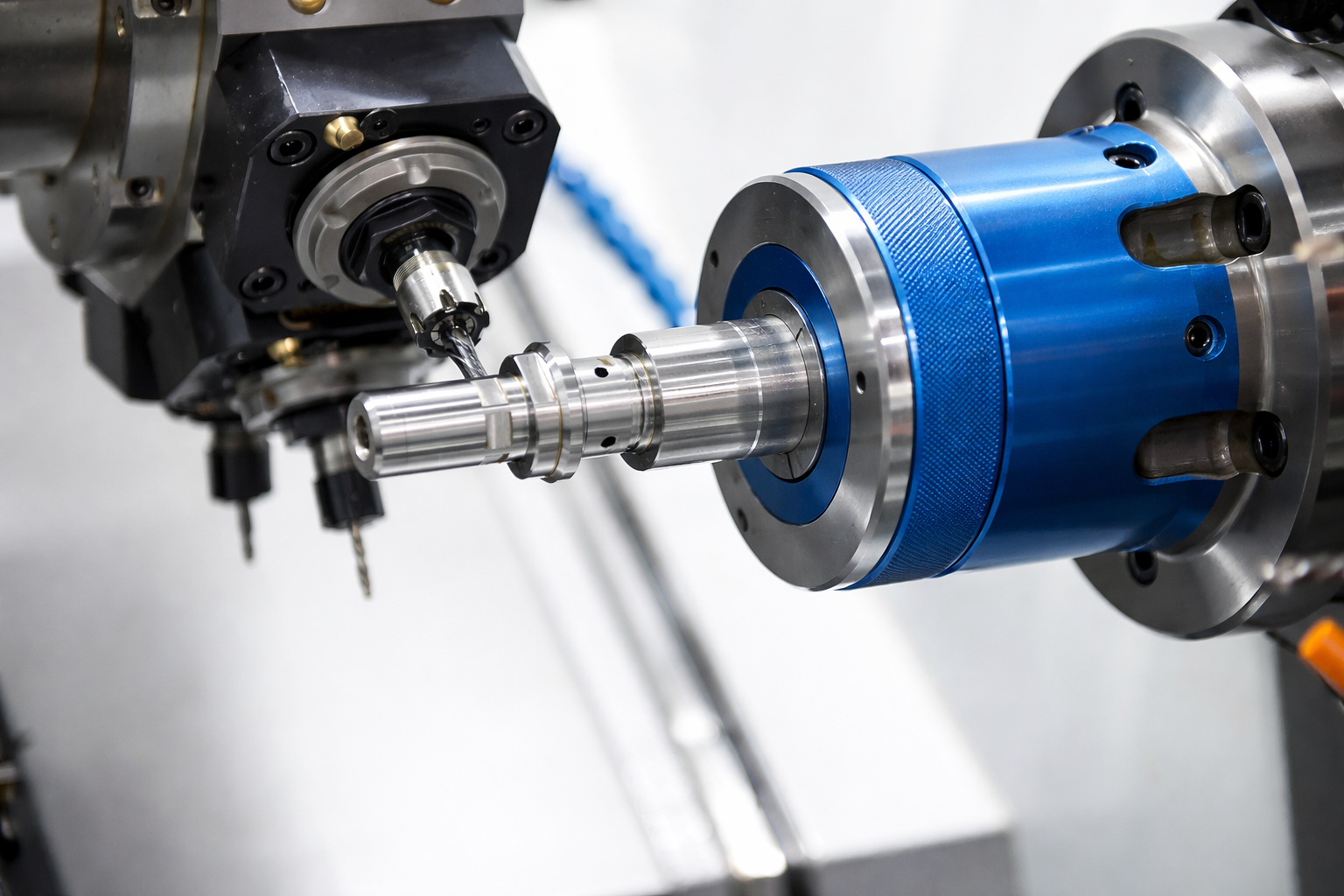
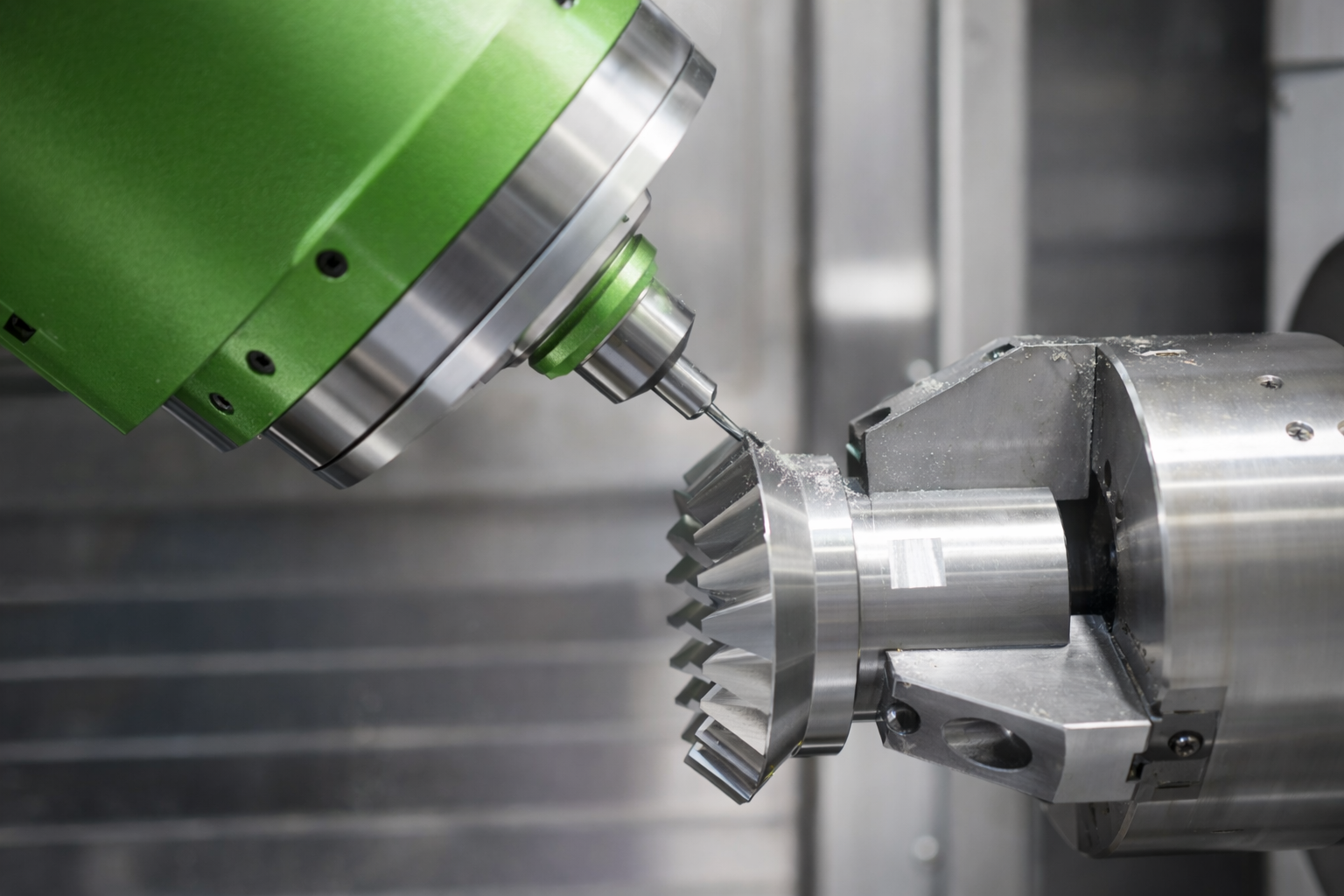
At its absolute most basic engineering level, a CNC spindle motor is a highly specialized electromagnetic drive designed exclusively to transmit intense, sustained rotational energy directly to a cutting tool (like a face mill or grinding wheel) or an actively spinning workpiece. Comparing these precise units to standard industrial induction motors is a huge oversight—standard motors are built simply to turn conveyor belts or ventilation fans, whereas high-speed spindle motors are meticulously constructed to endure brutal radial and axial deflection forces (the physical pushback from the hardened metal you are aggressively cutting) while maintaining absolute microscopic structural rigidity. The operational magic happens through a variable frequency drive (VFD) that manipulates raw electrical currents into a precisely rotating magnetic field within the tightly wound stator coils. This rapidly shifting magnetic field violently forces the central rotor to turn without relying on wear-prone physical brushes, instantly converting raw electrical grid power into the relentless mechanical shearing force required to slice cleanly through hardened titanium, dense aerospace alloys, or specialized industrial ceramics.
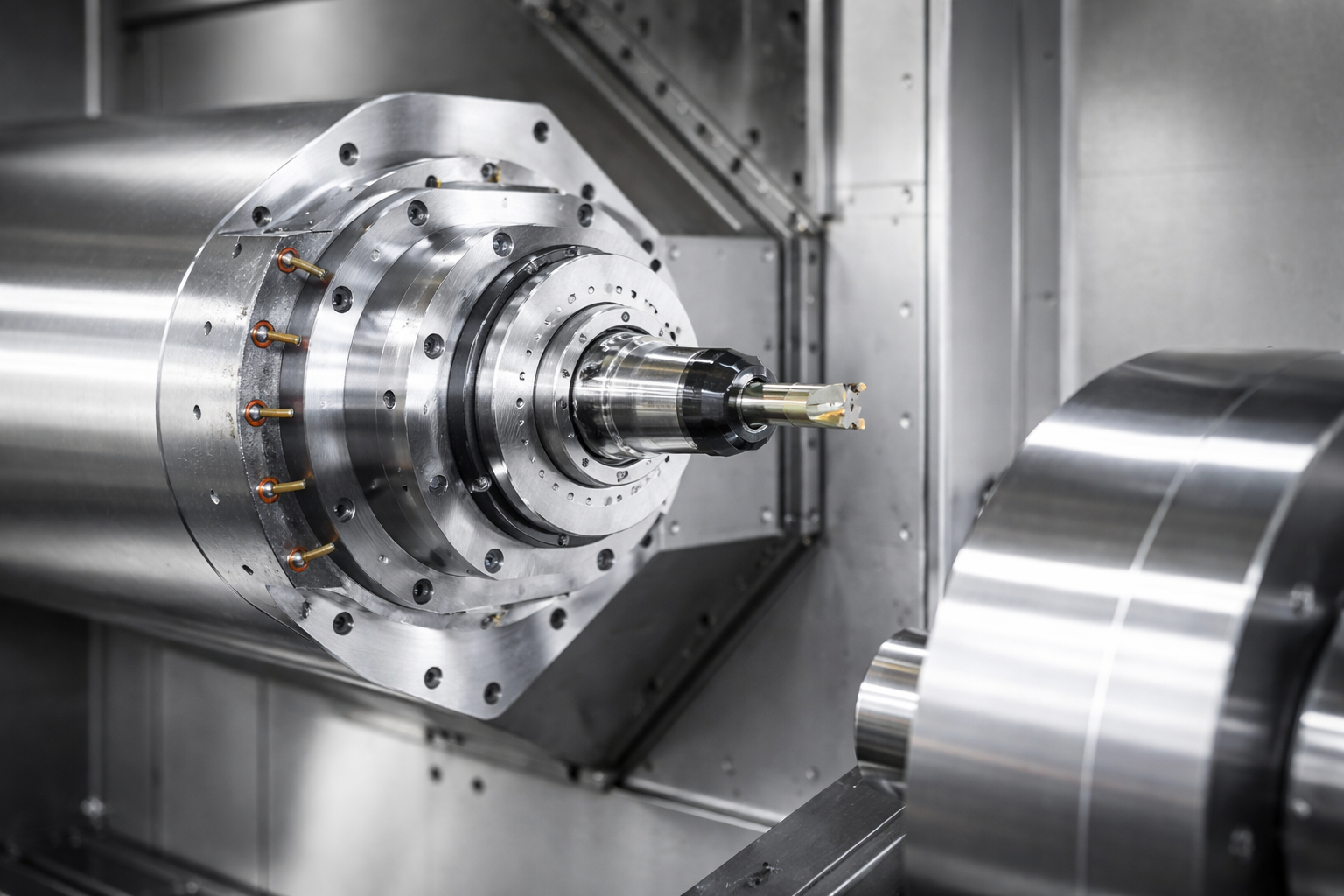
What genuinely elevates a dedicated cutting drive is the internal architecture surrounding those electromagnetic coils and the ultra-precision ceramic angular contact bearings securely holding the heavy main shaft. Because pushing heavy torque at extreme speeds generates intense electrical and friction-based heat, these specific motors incorporate internal fluid jackets or aerodynamic high-flow cooling fins to actively pull heat away from the critical internal components before thermal expansion can ruin your programmed toolpath. You will find these industrial powerhouses integrated across wildly diverse environments—from heavy five-axis metalworking centers carving complex engine blocks to automated grinding cells producing ultra-flat surfaces, proving that robust engineering translates perfectly across different demanding applications.
Kluczowe parametry inżynieryjne do oceny przed modernizacją
Navigating the incredibly complex specifications of a new drive unit can feel completely overwhelming if you aren’t analyzing engineering charts every day. However, zeroing in on the relationship between raw power (kW) and dynamic torque is always your safest starting point. Many shop operators fixate heavily on the peak horsepower rating (which always looks fantastic in a glossy machinery brochure), but completely miss the reality that massive low-end torque is the actual physical force required to push a heavy face-mill across a block of steel without the motor stalling out mid-cut. Overlapping your selected motor’s torque curve perfectly with the specific density of your primary material is what genuinely separates adequate performance from world-class manufacturing execution. This directly ties into rotational speed (RPM) capabilities; spinning a large diameter milling cutter too fast will literally melt the workpiece and ruin the temper of your expensive carbide inserts, while running a delicate micro-grinding bit too slowly causes the fine abrasive head to disintegrate instantly from overly aggressive material loads.
When evaluating high-performance tasks like continuous metal milling and grinding, the heated debate around thermal management inevitably takes center stage on the shop floor. Liquid-cooled systems utilize an intricate network of internal channels to flow a chilled liquid mixture directly around the stator block, providing unmatched thermal stability for relentless 24/7 continuous heavy carving (and they keep flying metal chips out of the motor internals!). They do require the integration of an external chiller and pump system. Air-cooled designs leverage a shaft-driven fan to blast ambient shop air across deep external heat sinks; they are brilliantly simple to install but are generally less suited for the extreme continuous loads of heavy metal grinding where thermal expansion ruins tolerances. Precision and runout stability naturally follow thermal control; a Premium Spindle Motor for Milling & Grinding must feature guaranteed sub-micron runout ratings at the taper, ensuring that the intricate toolpaths you program fit together perfectly right off the machine. Keeping that runout in check relies entirely on your dedication to proactive spindle motor maintenance, transforming what used to be a frantic midnight emergency repair job into a highly predictable, manageable routine.
Spełnianie rygorystycznych standardów rynku holenderskiego
The contemporary manufacturing landscape stretching across the Netherlands is a globally recognized hub of uncompromising precision engineering, heavily automated continuous workflows, and a deep, unwavering focus on sustainable production methods. From the spotless high-tech supply chains supporting the semiconductor industry in Brainport to the heavy maritime fabrication facilities supplying European infrastructure, Dutch engineering leans heavily on physical equipment that delivers absolute, unquestionable reliability. Engaging closely with procurement teams in this region reveals that the conversation practically never revolves around finding the absolute cheapest available option; it is deeply rooted in verifiable long-term reliability, total lifecycle operational costs, and rigid compliance with European environmental standards. A premium CNC spindle motor deployed here must aggressively minimize wasteful power consumption through superior electromagnetic design, directly aligning with stringent corporate green initiatives and the stark reality of elevated industrial electricity costs across the continent.
Zgodność z CE i ścisłe przestrzeganie dyrektyw niskonapięciowych i maszynowych to absolutne podstawy, a nie opcjonalne ulepszenia. Każdy zintegrowany napęd musi bezproblemowo przejść lokalne audyty bezpieczeństwa i testy zakłóceń elektromagnetycznych, nie wzbudzając przy tym żadnych podejrzeń inspektorów ds. zgodności. Z bolesnych, wspólnych doświadczeń wiemy, że w wysoce zoptymalizowanym łańcuchu dostaw o wąskiej tolerancji, trzytygodniowe oczekiwanie na odprawę celną podzespołu zamiennego po prostu nie jest realną opcją. Dlatego współpraca z głęboko zintegrowanym dostawcą, który faktycznie rozumie europejskie wymogi regulacyjne, jest absolutnie niezbędna.
Bezpośrednie głosy z holenderskiej hali produkcyjnej
“We transition rapidly between aggressive heavy steel milling and highly delicate precision grinding on the same machine. Finding one powerful drive that handles both extremes without massive thermal drift or losing bearing stiffness was a constant struggle until we installed this premium unit. The taper runout is practically non-existent even during heavy roughing cuts. It’s easily the most reliable CNC spindle motor upgrade we’ve made for our precision shop in Utrecht!”
— Jeroen V., Dyrektor Produkcji, Obróbka Precyzyjna
“The comprehensive CE and ISO documentation was flawless right out of the box, keeping our facility compliance team perfectly happy. The cutting force handles dense P20 tool steel effortlessly, and the thermal stability during long grinding cycles is genuinely fantastic. We’ve managed to significantly cut down our monthly spindle motor maintenance checks because the labyrinth seals actually keep the heavy cutting fluid out.”
— Saskia D., główny inżynier produkcji, systemy automatyki
“For our continuous metalworking operations, microscopic metal swarf and abrasive grinding dust used to constantly destroy our standard motor bearings within a few short months. The positive air-pressured sealing on these new efficient units keeps the contamination out completely. It’s been running double shifts for over a year with incredible, uninterrupted reliability.”
— Martijn K., starszy mechanik CNC, komponenty lotnicze
Strategiczne zakupy: rozwijanie partnerstwa produkcyjnego
Podejmowanie krytycznych decyzji sprzętowych wyłącznie na podstawie sterylnej specyfikacji i absolutnie najniższej ceny początkowej to gwarantowany przepis na katastrofalne przestoje w przyszłości na linii produkcyjnej. Nasza głęboka przewaga technologiczna tkwi w dopracowanej, gruntownej inżynierii dynamiki wirnika i opatentowanych technikach uzwojenia stojana. To przemyślane podejście zapewnia wiodącą w branży sprawność elektryczną, jednocześnie radykalnie zmniejszając pasożytnicze wytwarzanie ciepła, które jest częstą plagą tańszych, słabo wyprodukowanych alternatyw. Z dumą oferujemy bogate, solidne portfolio wysokiej jakości silników wrzecionowych o wysokiej prędkości obrotowej, które konsekwentnie przewyższają rygorystyczne certyfikaty jakości CE, ISO i RoHS wymagane przez europejskie organy regulacyjne, zapewniając ich bezproblemową integrację z obecną infrastrukturą.
Tym, co naprawdę wyróżnia nasz zespół na tle dostawców standardowych części, jest nieustające zaangażowanie w kompleksowe wsparcie posprzedażowe i proaktywne szkolenia z zakresu konserwacji silników wrzecionowych. Nie dostarczamy po prostu ciężkiej drewnianej skrzyni na rampę załadunkową i nagle przestajemy odpowiadać na e-maile. Nasz dedykowany zespół inżynierów aktywnie współpracuje z lokalnymi technikami, aby skrupulatnie optymalizować parametry przyspieszenia przetwornicy częstotliwości (VFD) i ustalać krytyczne, bazowe sygnatury drgań do analizy predykcyjnej. Zdajemy sobie sprawę, że standardowe pozycje katalogowe rzadko pasują do wysoce złożonych i skomplikowanych realiów budowy maszyn na zamówienie, dlatego właśnie nasz wyspecjalizowany dział inżynieryjny dąży do dostarczania szybkich i w pełni spersonalizowanych rozwiązań. W połączeniu z naszym wysoce zoptymalizowanym łańcuchem dostaw i solidnym zarządzaniem zapasami w Europie, gwarantujemy wyjątkowo krótkie terminy dostaw, które aktywnie zapobiegają kaskadowemu przestojowi produkcji spowodowanemu awarią pojedynczego komponentu.
Wszechstronne scenariusze zastosowań w zaawansowanych branżach
The remarkable versatility of a properly engineered Premium Spindle Motor for Milling & Grinding allows it to serve as the beating heart across vastly different manufacturing disciplines. In heavy-duty metalworking, the motor must consistently deliver immense radial stiffness and unyielding dynamic torque to perform rigid tapping operations, heavy surfacing, and precision grinding, preventing the cutting tool from stalling or inducing horrific chatter marks on expensive aluminum or steel components. Transitioning into the sprawling woodworking industry, the mechanical requirements completely flip; cleanly routing hardwoods and highly abrasive sheet goods like melamine demands incredibly high rotational speeds to ensure a flawless, burn-free edge. The realm of plastic and acrylic fabrication presents a highly delicate thermal balancing act; if high-speed spindle motors run too fast or the machine feed rate is too slow, the localized friction causes the plastic to literally melt and weld itself right back onto the cutter, instantly ruining the workpiece and potentially snapping the tool.
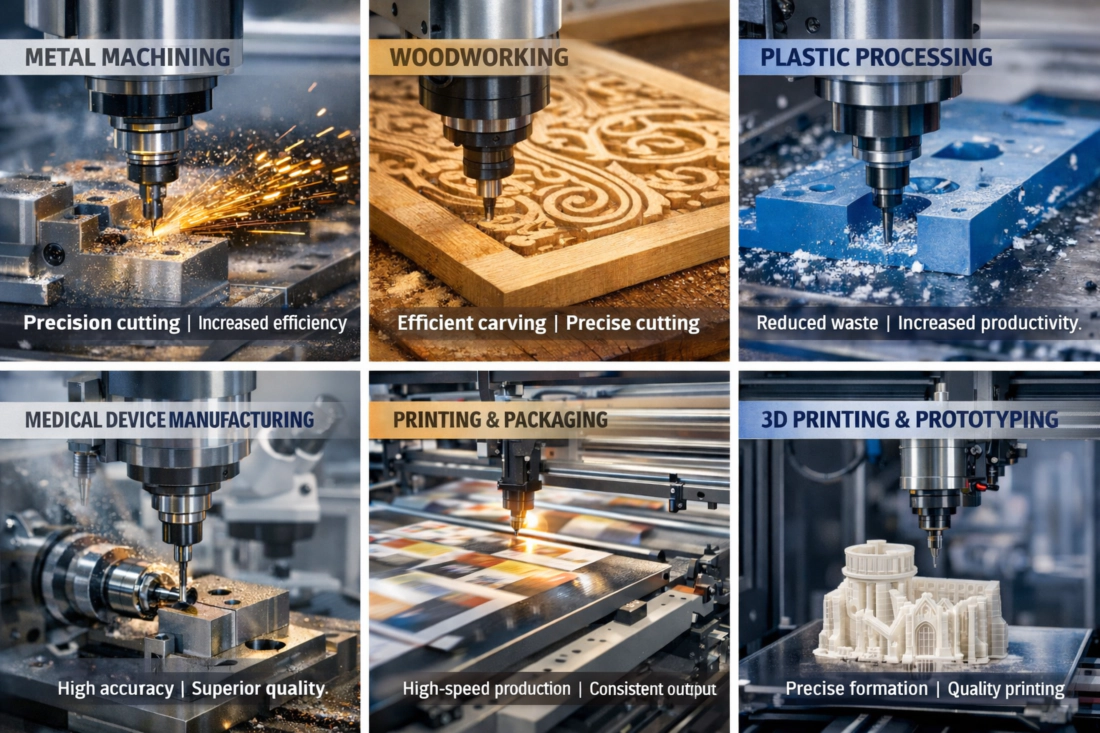
Diving deeply into more specialized sectors, the medical device manufacturing industry relies exclusively on these ultra-precision motors operating in strict cleanroom environments to flawlessly machine and grind biocompatible implants out of notoriously difficult alloys. Dimensional tolerances here are strictly measured in single microns! In the rapid-paced world of industrial printing and packaging, most printers don’t realize that the absolute consistency of their high-speed rotary cutting dies and precise foil slitting mechanisms is entirely dependent on the drive motor’s closed-loop encoder feedback and absolute speed consistency—an area where cheap motors create massive registration errors. Even in the rapidly evolving frontier of large-scale industrial 3D printing and advanced rapid prototyping, modern hybrid machine tools seamlessly combine additive polymer deposition with subtractive milling and grinding, relying heavily on lightweight, versatile spindle motors to precisely clean up printed surfaces on the fly.
Doskonałość inżynierska: namacalne zalety produktu
Deciding to decisively upgrade your factory machinery with our advanced drive systems introduces immediate, highly measurable improvements across your entire manufacturing workflow. The meticulously balanced electromagnetic design translates directly into exceptionally low energy consumption, offering a massive operational advantage for Dutch facilities aggressively looking to slash their carbon footprint and reduce monthly utility bills. Unyielding durability is physically engineered into every unit; by exclusively utilizing aerospace-grade steel alloys and precision-ground ceramic hybrid bearings, these premium drives easily shrug off the heavy impact loads of aggressive milling and the continuous friction of grinding. This inherent mechanical stiffness provides absolute precision control and dramatically lowers harmonic vibration at the very tip of the cutting edge.
| Główna funkcja inżynieryjna | Bezpośredni wpływ na produkcję | Możliwości techniczne |
|---|---|---|
| Bardzo niskie bicie stożkowe | Eradicates tool chatter, heavily improves surface finishes in grinding, and significantly extends expensive carbide life. | Zawsze < 0,002 mm |
| Ceramiczne łożyska hybrydowe | Znacznie zmniejsza rozszerzalność cieplną i tarcie wewnętrzne podczas ciągłego rzeźbienia z dużą prędkością 24 000 obr./min. | Oceniony na 24 000+ obr./min |
| Zoptymalizowane kurtki termiczne | Zapobiega katastrofalnemu przepaleniu stojana i utrzymuje stabilność wymiarową osi Z podczas długich cięć 3D. | Ciecz lub powietrze o wysokim przepływie |
| Dynamiczny moment obrotowy przy niskich obrotach | Umożliwia agresywne cięcie twardych metali bez wyłączania silnika w połowie cięcia. | Zoptymalizowane profile VFD |
Wykraczając poza surową wydajność mechaniczną, nasza z natury ekologiczna filozofia projektowania gwarantuje ścisłe przestrzeganie surowych europejskich przepisów dotyczących hałasu i emisji, zapewniając bezpieczeństwo operatorom i znacznie lepsze warunki pracy w warsztacie. Zaprojektowaliśmy te systemy z myślą o niezwykle szerokim zastosowaniu, co oznacza, że pojedyncza, solidna architektura silnika może być bezproblemowo wdrożona w różnych płaskich frezarkach do nestingu, centrach frezarskich i niestandardowych robotycznych gniazdach do rzeźbienia, przy minimalnym tarciu inżynieryjnym. Wybór naszego sprzętu to nie tylko zakup standardowych części; to zdecydowany, strategiczny krok w kierunku całkowitej modernizacji Państwa możliwości precyzyjnej obróbki.
Spostrzeżenia ekspertów: Często zadawane pytania
Jak precyzyjnie wybrać najbardziej odpowiedni silnik wrzeciona do mojej maszyny CNC?
Wybór idealnego napędu wymaga dokładnego odwzorowania rzeczywistych warunków operacyjnych, zanim jeszcze spojrzy się na katalog. Należy dokładnie określić obrabiane materiały (co determinuje wymagane krzywe obrotów na minutę i momentu obrotowego), zrozumieć fizyczne ograniczenia montażowe płyty osi Z maszyny, obliczyć maksymalny ciężar, jaki brama może szybko przemieszczać podczas rzeźbienia 3D oraz zweryfikować dostępne zasilanie warsztatu. Zdecydowanie zalecamy zlecenie naszemu zespołowi inżynierów wykonania spersonalizowanego obliczenia siły skrawania, aby upewnić się, że moc silnika idealnie pokrywa się z precyzyjną geometrią narzędzi, co zapobiegnie kosztownemu spadkowi mocy.
Jakie są jednoznaczne sygnały ostrzegawcze, że mój silnik wrzeciona zaczyna zawodzić?
Wczesne wykrycie usterki to klucz do uniknięcia ogromnych, nieoczekiwanych kosztów naprawy. Najbardziej rażącym sygnałem jest zazwyczaj niewyjaśnione, nagłe pogorszenie wykończenia krawędzi obrabianych części, co wyraźnie wskazuje na zużycie łożysk powodujące bicie stożkowe. Należy uważnie nasłuchiwać piskliwego pisku, ostrego metalicznego zgrzytu lub jakichkolwiek wyraźnych zmian w normalnym buczeniu roboczym. Należy uważnie monitorować moc cieplną; jeśli zewnętrzna obudowa silnika staje się zbyt gorąca w dotyku, prawdopodobnie doszło do poważnej degradacji łożysk. Losowe alarmy przetężenia przetwornicy częstotliwości to również poważne sygnały ostrzegawcze, które wymagają natychmiastowej interwencji!
Jaka jest faktyczna różnica w działaniu pomiędzy napędami chłodzonymi wodą i chłodzonymi powietrzem?
It essentially comes down to balancing raw thermal efficiency against installation simplicity and your shop’s environment. Water-cooled CNC spindle motors actively circulate a liquid coolant through intricate internal passages, offering vastly superior heat dissipation which is mandatory for heavy-duty 24/7 milling and grinding, or operating in high-dust environments where an air-fan might clog (they also run significantly quieter). Air-cooled models utilize an integrated fan to blast ambient air across external cooling fins. They are brilliantly simple to install since they don’t require external chillers, making them perfect for open-gantry routers provided you have excellent dust extraction at the spindle head.
Jak wygląda prawidłowy harmonogram konserwacji silnika wrzeciona?
Flawless spindle motor maintenance is entirely about proactive, preventative habits. Daily, operators must rigidly ensure the internal taper and all collet cones are immaculately clean—even a microscopic speck of compressed dust, grinding grit, or metal shaving can throw off the balance and slowly destroy the ceramic bearings. Visually verify that all cooling pathways are completely unobstructed. Weekly checks should involve inspecting heavy cable connections for flex-degradation and taking baseline vibration readings with a simple meter. A comprehensive professional teardown inspection should be scheduled every 6 to 12 months to verify internal runout and electrical insulation resistance.
Czy istnieją jakieś sprawdzone sposoby na znaczne wydłużenie żywotności mojego silnika?
Zdecydowanie, a najważniejszy etap ma miejsce, zanim frez dotknie surowca! Zawsze należy stosować rygorystyczny, zaprogramowany proces rozgrzewania. Natychmiastowe rozkręcenie całkowicie zimnego wrzeciona do 24 000 obr./min może spowodować ślizganie się ceramicznych kulek łożyskowych, zanim wewnętrzny smar odpowiednio się nagrzeje i rozprowadzi, powodując mikrowżery, które drastycznie skracają ich żywotność. Zaprogramuj 5-minutowy cykl, stopniowo zwiększając obroty. Zawsze upewnij się, że uchwyty narzędzi są idealnie wyważone, korzystaj z precyzyjnie regulowanej mocy elektrycznej, a jeśli korzystasz z chłodzenia cieczą, dokładnie uzdatniaj wodę inhibitorami korozji, aby zapobiec osadzaniu się kamienia.
Gotowy na osiągnięcie celów produkcyjnych?
The core rotational components driving your CNC machinery absolutely dictate the ultimate quality, rapid cutting speed, and bottom-line profitability of your entire operation. Settling for subpar drives leads directly to compounding errors, wasted expensive raw materials, and highly unacceptable machine downtime. By integrating our top-tier Premium Spindle Motor for Milling & Grinding, you guarantee unparalleled accuracy and relentless productivity that effortlessly scales with your most aggressive manufacturing targets.