تفصیل
Walking onto a busy production floor, the unmistakable hum of a perfectly tuned CNC spindle motor cutting through solid material is music to a machinist’s ears. We’ve seen countless facilities struggle with mysterious surface finish issues or premature tool wear, and most operators don’t realize that the beating heart of their entire operation—the motor driving the tool—is often mismatched to the task at hand. Selecting the best spindle motor isn’t just a box-ticking exercise for procurement; it is the absolute foundation of manufacturing efficiency, dramatically lowering unexpected maintenance costs while elevating the dimensional accuracy of every single part that comes off your line. The trick is understanding how high torque requirements at lower RPMs completely change the thermal and mechanical dynamics of your machine. In our experience working closely with high-tech manufacturing hubs from Eindhoven to Rotterdam, plant managers and technical buyers in the Netherlands face a unique set of pressures (think skyrocketing energy costs paired with demands for micron-level precision), making the selection of a robust, energy-efficient CNC spindle motor more critical than ever before.
Unpacking the Core Technology: What Exactly is a Spindle Motor?
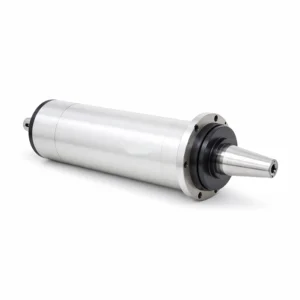
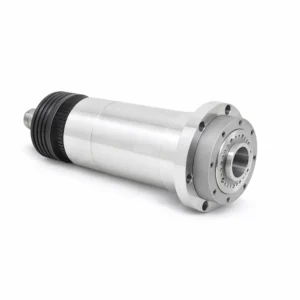
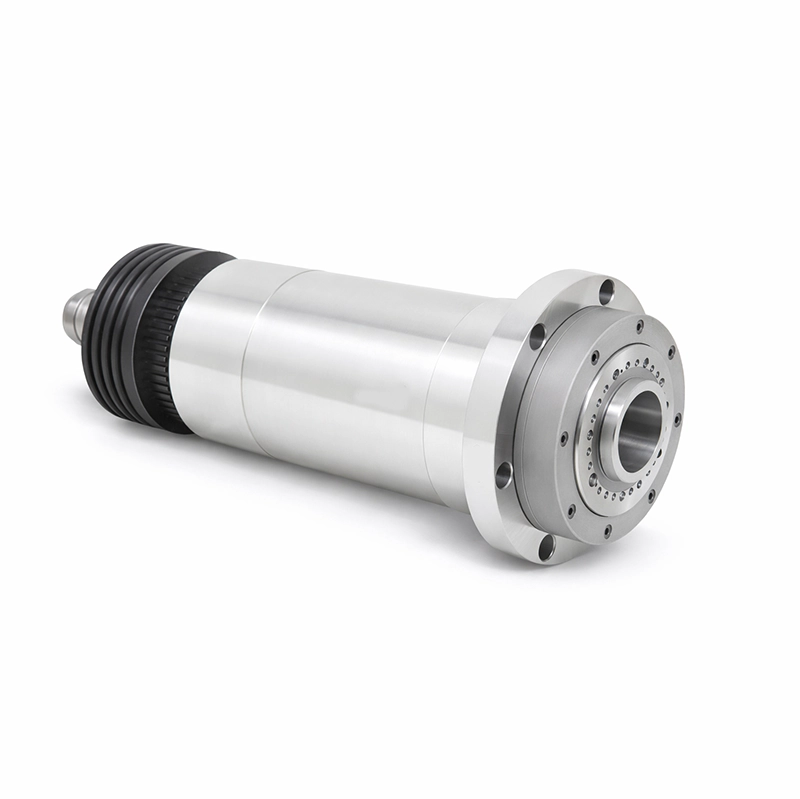
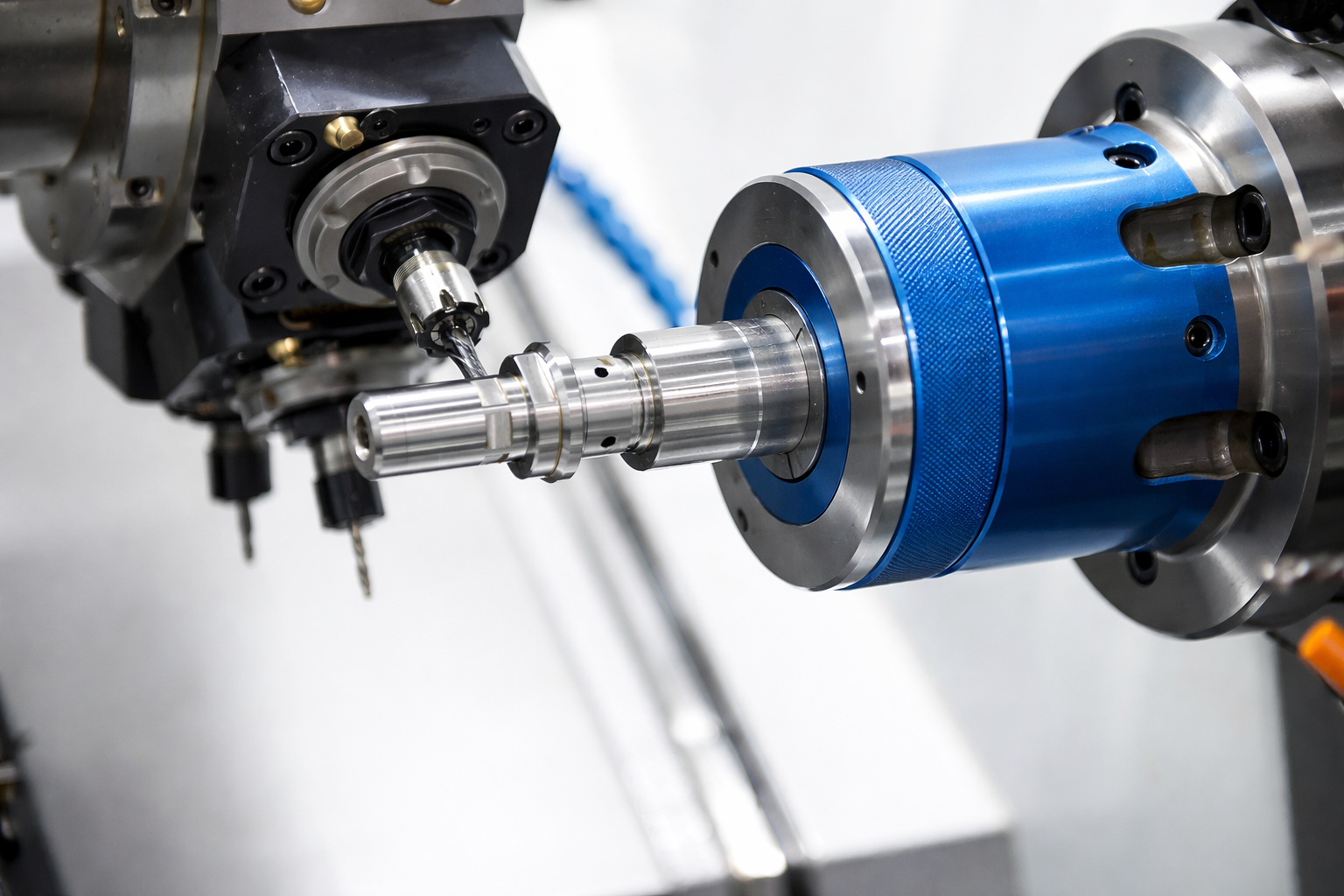
At its most fundamental level, a CNC spindle motor is a highly specialized electric motor designed specifically to transmit rotational power to a cutting tool or a workpiece, but calling it just a “motor” seriously undersells the engineering involved. Unlike standard induction motors that simply spin a fan or a conveyor belt, these units are subjected to extreme radial and axial forces during machining operations, which means their internal architecture—from the stator and rotor design to the ultra-precision ceramic or steel angular contact bearings—must be built to withstand punishing loads without allowing any measurable deflection. The working principle relies on high-frequency electromagnetic induction where a variable frequency drive (VFD) supplies precise electrical currents to the stator windings, generating a rotating magnetic field that forces the rotor to turn, thereby converting raw electrical energy into the sheer mechanical force needed to shear metal, carve hardwood, or mill advanced composites. We’ve seen standard motors vibrate themselves to pieces under the exact same loads where a true high-speed spindle motor effortlessly maintains continuous operation. These incredible pieces of engineering are the backbone of modern automated fabrication, finding extensive applications across heavy-duty metalworking, intricate woodworking cabinetry, aerospace plastics machining, and virtually any environment where material removal requires both aggressive power and delicate finesse.
Crucial Engineering Factors Dictating Your Motor Selection
Navigating the specifications of a new drive unit can feel overwhelming when you are staring at spreadsheets full of performance curves, but focusing on the relationship between power and torque is where you need to start. Most shop owners fixate entirely on the maximum horsepower rating, completely missing the fact that torque is what actually pushes a heavy endmill through a block of P20 tool steel without stalling the machine. The torque curve of a CNC spindle motor must align perfectly with your primary material; if you are hogging out tough alloys, you need massive low-end torque, whereas carving soft foams requires rapid material removal at high speeds where torque naturally drops off. This directly ties into the RPM range—running a heavy cutter too fast burns up inserts in minutes, while running a micro-tool too slowly causes the flute to snap due to excessive chip load, so matching the rated base speed and maximum RPM to your specific cutting parameters is an absolute necessity. Understanding this leads us directly into the thermal management discussion, because pushing high torque generates friction and electrical heat that must be mitigated immediately.
The debate between cooling systems is a constant topic on the shop floor; we’ve seen water-cooled systems provide unparalleled thermal stability for heavy continuous operations (since the liquid jacket pulls heat away from the bearings efficiently), but they do require additional plumbing, chillers, and coolant maintenance. Air-cooled units, conversely, are incredibly straightforward and basically plug-and-play, using an integrated fan to push ambient air over the cooling fins, though they can dump significant heat directly into your workshop and tend to be slightly louder at top speeds. Beyond thermals, precision and stability are non-negotiable metrics; the best spindle motor will feature sub-micron runout ratings on the taper, ensuring that when you command a specific tool path, the cutter doesn’t wobble or induce chatter that ruins a critical surface finish. Integrating all these variables ultimately impacts the longevity and spindle motor maintenance requirements of the unit. A well-specified drive equipped with sealed, lifetime-lubricated bearings operating within its thermal limits will drastically extend your maintenance cycle, turning what used to be a frantic midnight repair job into a predictable, scheduled annual checkup that keeps your production schedule perfectly on track.
Adapting to the Rigorous Demands of the Netherlands Market
The manufacturing landscape in the Netherlands is internationally recognized for its uncompromising shift towards ultra-precision engineering and highly automated, “lights-out” production methodologies. From the sprawling high-tech campuses supplying the semiconductor industry to the advanced maritime fabrication yards along the coast, Dutch engineering relies heavily on equipment that can deliver continuous, error-free operation shift after shift. In our experience interacting with buyers in this region, the conversation rarely starts with price; it starts with reliability, energy efficiency, and strict adherence to European environmental standards. A high torque CNC spindle motor deployed in a Dutch facility must not only deliver raw power but also minimize power consumption through advanced electromagnetic design, aligning with aggressive corporate sustainability goals and the reality of high regional electricity costs. Furthermore, CE compliance is an absolute baseline—every single component, drive, and cable must meet rigorous EU safety and emission directives, ensuring that the equipment seamlessly integrates into highly regulated factory floors without triggering safety audits or insurance complications. The trick is delivering this top-tier performance while maintaining a localized support structure, because when a critical machine goes down in a tight-tolerance supply chain, waiting weeks for a replacement part simply isn’t an option for these highly competitive businesses.
Direct Feedback from the Dutch Manufacturing Floor
“We were burning through standard router motors every six months in our composites division. Switching to these liquid-cooled high-speed spindle motors completely stabilized our thermals. The runout is practically non-existent even during aggressive carbon fiber trimming, and our tooling life has jumped by at least 30%. Fantastic upgrade for our facility in North Brabant.”
— Lars V., Production Manager, Aerospace Composites
“Finding a drive that hits high torque at low RPMs for our heavy steel milling was a nightmare until we integrated this system. The CE documentation was flawless, which kept our compliance officers happy, and the sheer cutting force handles P20 steel like it’s butter. It’s definitely the best spindle motor we’ve sourced for our custom automation cells.”
— Anouk D., Lead Mechanical Engineer
“For our high-volume furniture production, dust and continuous operation used to destroy our bearings. The positive air-pressured sealing on these units keeps the MDF dust out completely. It’s been running 16-hour shifts for over a year now with zero spindle motor maintenance required outside of standard preventative checks. Highly recommended for any serious woodworking shop!”
— Bram M., Operations Director, Architectural Woodworking
Specialized Application Scenarios Across Diverse Industries
The versatility of a well-engineered CNC spindle motor means it sits at the core of drastically different manufacturing processes, each demanding a unique performance profile from the drive unit. In heavy metalworking—such as precision milling of titanium aerospace brackets or surfacing large cast-iron engine blocks—the motor must deliver immense radial stiffness and unyielding low-end torque to prevent the cutter from stalling or inducing catastrophic chatter. Moving over to the woodworking industry, the requirements completely flip; cutting softwoods, hardwoods, and abrasive sheet goods like MDF demands incredibly high rotational speeds (often 18000 to 24000 RPM) to ensure a clean, burn-free edge, requiring bearings that can handle rapid gyroscopic forces without overheating. Plastic fabrication and acrylic routing present a similar challenge where the trick is balancing speed and feed rates perfectly; if the high-speed spindle motors run too hot or too fast, the plastic literally melts and welds itself back onto the cutter, ruining the workpiece and potentially snapping the tool off in the collet.
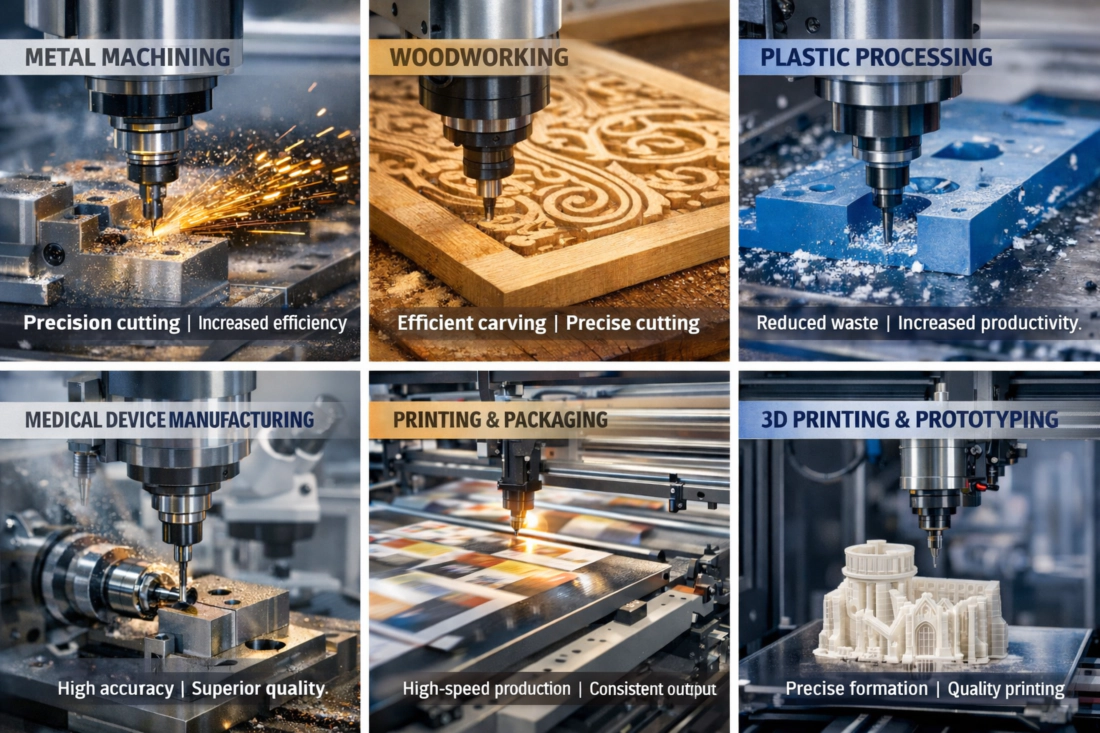
Beyond the traditional heavy industries, the medical device manufacturing sector relies heavily on these precision motors to machine biocompatible implants and surgical instruments out of difficult alloys like cobalt-chrome, where dimensional tolerances are measured in single microns and any contamination from motor lubricants is strictly prohibited. The printing and packaging industries also utilize specialized spindle drives to power high-speed rotary cutting dies and slitting mechanisms, where synchronization and absolute speed consistency dictate the quality of the final paper or foil product. Even in the rapidly evolving world of industrial 3D printing and rapid prototyping, hybrid machines that combine additive deposition with subtractive milling rely on lightweight, ultra-compact spindle motors to clean up printed surfaces and machine precise locating features on the fly. We’ve engineered our drives to adapt to these vastly different environments, ensuring that whether you are machining a hip replacement joint or a solid oak staircase, the power delivery is flawlessly tailored to the exact physics of your cutting operation.
Strategic Procurement: Why Partner With Us?
Choosing an industrial hardware partner is about far more than just reading a spec sheet and looking for the lowest price; it’s about securing your production line against costly future downtime. Our technical superiority lies in the obsessive engineering of our rotor dynamics and proprietary stator windings, delivering the best spindle motor efficiency on the market while drastically cutting down the parasitic heat generation that plagues cheaper alternatives. We’ve built an extensive portfolio of high-speed spindle motors that already meet and exceed the stringent CE and ISO quality certifications required by European regulatory bodies, ensuring seamless integration into your facility. What really separates us, though, is our deep commitment to after-sales support and proactive spindle motor maintenance training. We don’t just ship a wooden crate and disappear; our engineering team works directly with your technicians to optimize VFD parameter settings, establish baseline vibration signatures for predictive maintenance, and ensure your cooling loops are perfectly calibrated.
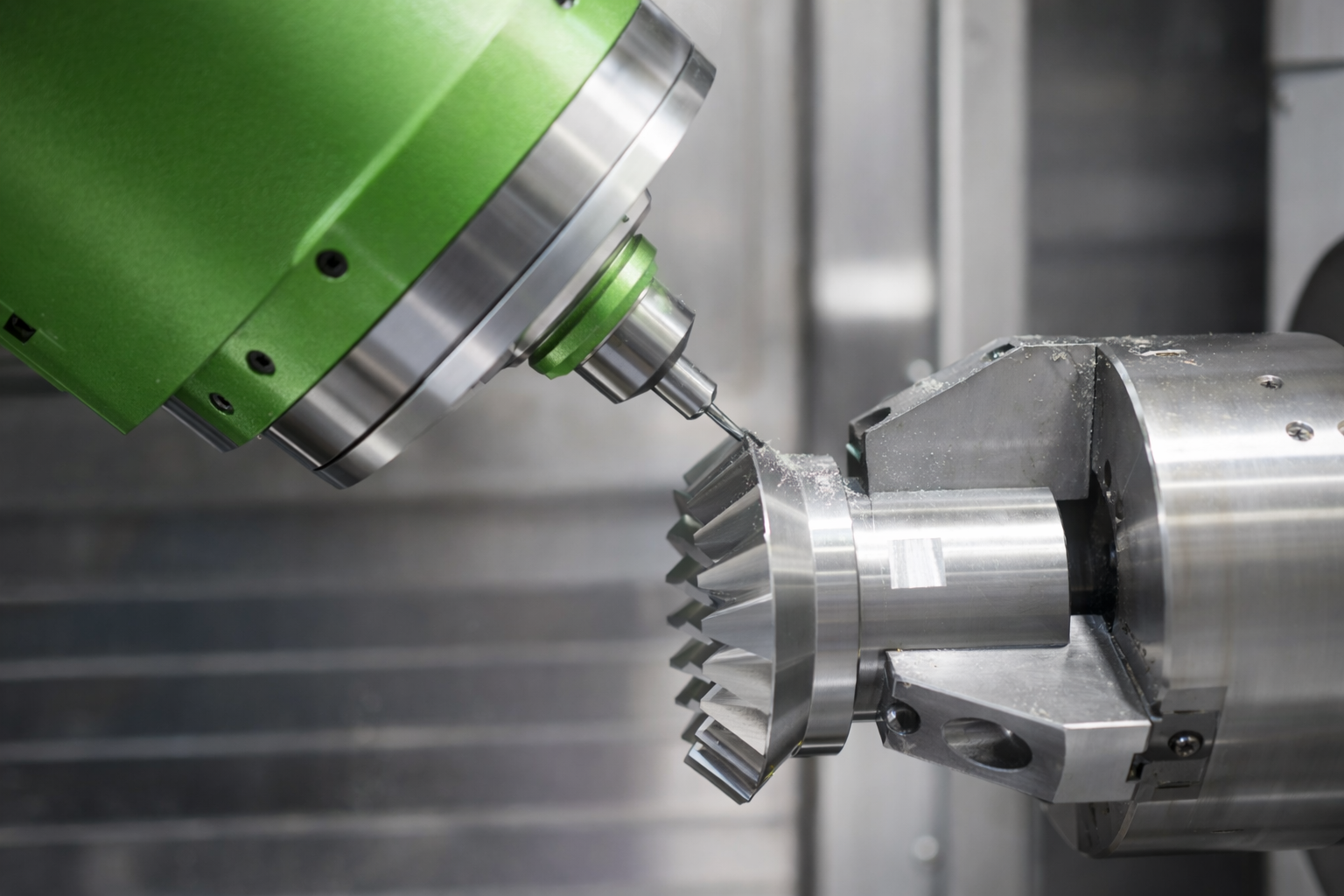
We know that standard catalog items don’t always fit the complex realities of custom machine building, which is exactly why our dedicated engineering division specializes in rapid-response customized solutions—whether you need a longer extended nose for deep-cavity machining, a specialized labyrinth seal for heavy graphite dust environments, or a specific encoder integration for rigid tapping. Coupled with our robust inventory management and optimized supply chain routed specifically for the Netherlands and wider European market, we guarantee rapid delivery times that prevent a broken motor from turning into a week-long production halt. When you call us for support, you are speaking directly to experts who understand the distinct smell of burnt coolant and the frustration of a scrapped part, and we bring that real-world machining experience into every single drive we manufacture.
Engineering Excellence: The Tangible Product Advantages
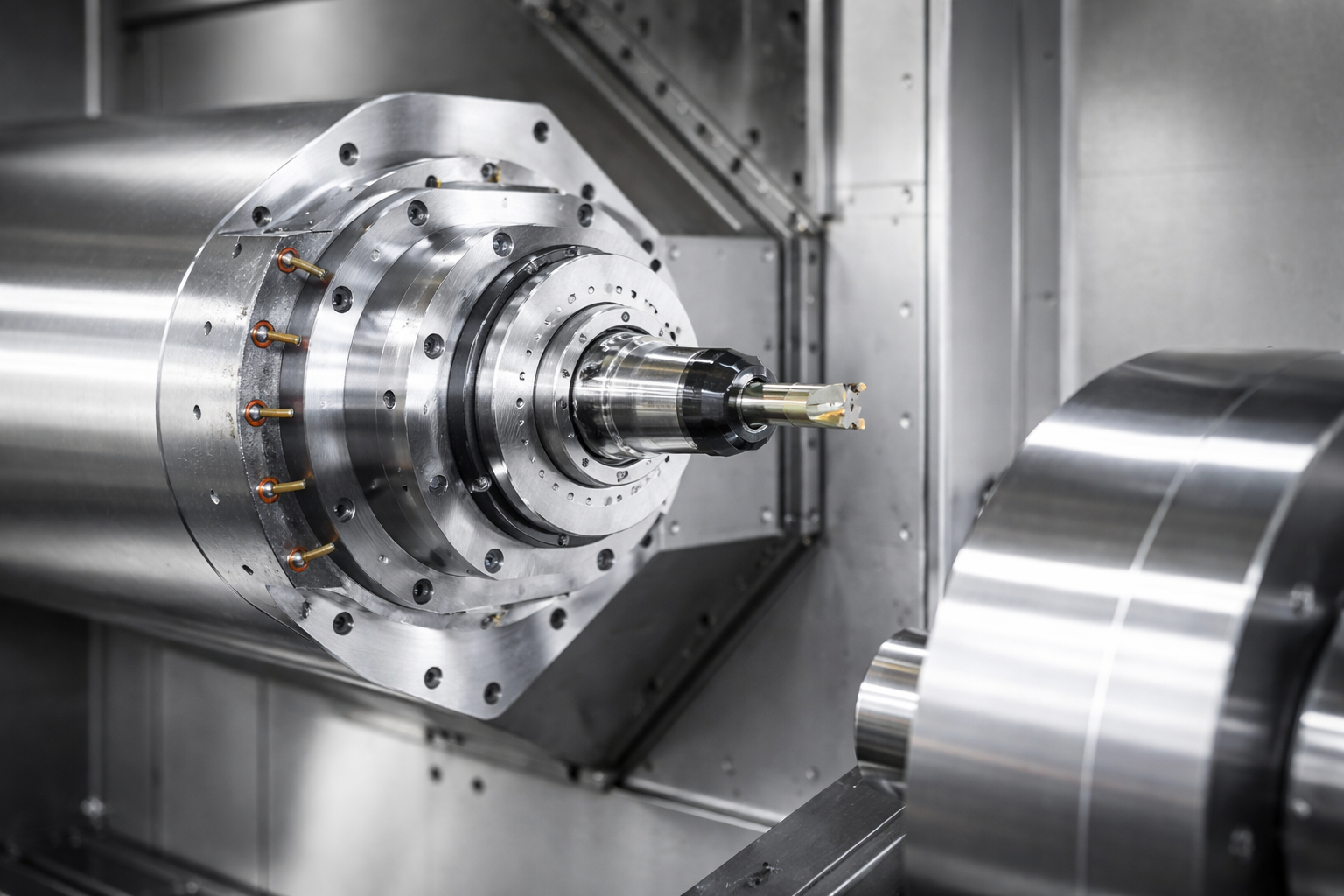
Upgrading to our advanced drive systems introduces immediate, measurable improvements across your entire manufacturing workflow. The high-efficiency electromagnetic design translates to exceptionally low energy consumption, a critical advantage for facilities looking to reduce their operational carbon footprint and combat the soaring costs of industrial electricity. Unyielding durability is baked into the DNA of every unit; by utilizing aerospace-grade steel alloys and precision-ground ceramic hybrid bearings, these motors shrug off the heavy impact loads of interrupted cuts and the relentless wear of continuous high-speed operation. This inherent mechanical stiffness provides absolute precision control and dramatically lowers harmonic vibration, meaning your cutting tools run smoother, last significantly longer, and leave behind a mirror-like surface finish that often eliminates the need for secondary polishing operations.
| Feature / Advantage | Impact on Your Production | Technical Specification |
|---|---|---|
| Ultra-Low Runout | Eliminates tool chatter, improves surface finish, and extends carbide tool life. | Less than 0.002mm at the taper |
| Ceramic Hybrid Bearings | Significantly reduces thermal expansion during high-speed continuous carving. | Rated for 24000+ RPM continuous |
| Optimized Cooling Jackets | Prevents stator burnout and maintains dimensional stability of the machine head. | Water/Liquid or High-Flow Air |
| High Low-End Torque | Allows for aggressive hogging in tough metals without stalling the CNC spindle motor. | Customized torque curves via VFD |
Beyond the raw mechanical performance, our eco-friendly design philosophy ensures compliance with stringent noise and emission regulations, keeping your shop floor quieter and safer for your operators. We’ve designed these systems for broad versatility, meaning a single motor architecture can be seamlessly adapted across various CNC routers, milling centers, and custom robotic end-effectors with minimal engineering friction. Backed by our comprehensive warranty and dedicated European technical service team, choosing our equipment is a definitive step toward completely modernizing your machining capabilities.
Frequently Asked Questions (FAQ)
Ready to Elevate Your Machining Precision?
The core components driving your CNC machinery dictate the ultimate quality, speed, and profitability of your entire operation. Settling for subpar rotational drives leads to compounding errors, wasted materials, and unacceptable machine downtime. By integrating our high-performance systems, you ensure unparalleled accuracy and relentless efficiency that easily scales with your most demanding production targets.