Opis
Zapewniamy niezawodną precyzję przemysłową i ekstremalną wytrzymałość termiczną na potrzeby produkcji wielkoseryjnej w Holandii.
Spacer po ogromnym zakładzie produkcyjnym, w którym wibracje ciężkich maszyn obrabiających gruby metal to zupełnie inne doświadczenie niż praca amatorską frezarką. Widzieliśmy, jak doświadczeni kierownicy produkcji nieustannie zmagają się z niedopuszczalnym drganiem powierzchni lub doznają całkowitego uszkodzenia narzędzia tylko dlatego, że napęd obrotowy rdzenia, który obraca frez, nie został zaprojektowany do długotrwałych obciążeń przemysłowych. Wybór najlepszego silnika wrzeciona to coś więcej niż rutynowe zadanie do wykonania; to absolutny fundament codziennej rentowności zakładu. Modernizacja na silnik wrzeciona o dużej mocy w celu uzyskania maksymalnej wydajności całkowicie zmienia dynamikę hali produkcyjnej, radykalnie zmniejszając częstotliwość napraw reaktywnych, a jednocześnie natychmiast zwiększając dokładność na poziomie mikronów każdej wyprodukowanej części. Z naszego doświadczenia, zdobytego podczas bezpośredniej współpracy z konstruktorami maszyn precyzyjnych i doświadczonymi operatorami od kampusów high-tech w Eindhoven po ciężkie stocznie inżynierii morskiej w pobliżu Rotterdamu, wynika, że nieustanna presja na dostarczanie bezbłędnych, wielkoseryjnych serii jest ogromna. Sztuką jest zrozumienie, w jaki sposób profesjonalna architektura elektromagnetyczna zapewnia surowy, stały moment obrotowy bez katastrofalnego przegrzania, całkowicie zabezpieczając możliwości produkcyjne na rynku holenderskim, gdzie precyzja jest jedyną akceptowaną walutą.
Dekodowanie rdzenia: czym właściwie jest silnik wrzeciona?
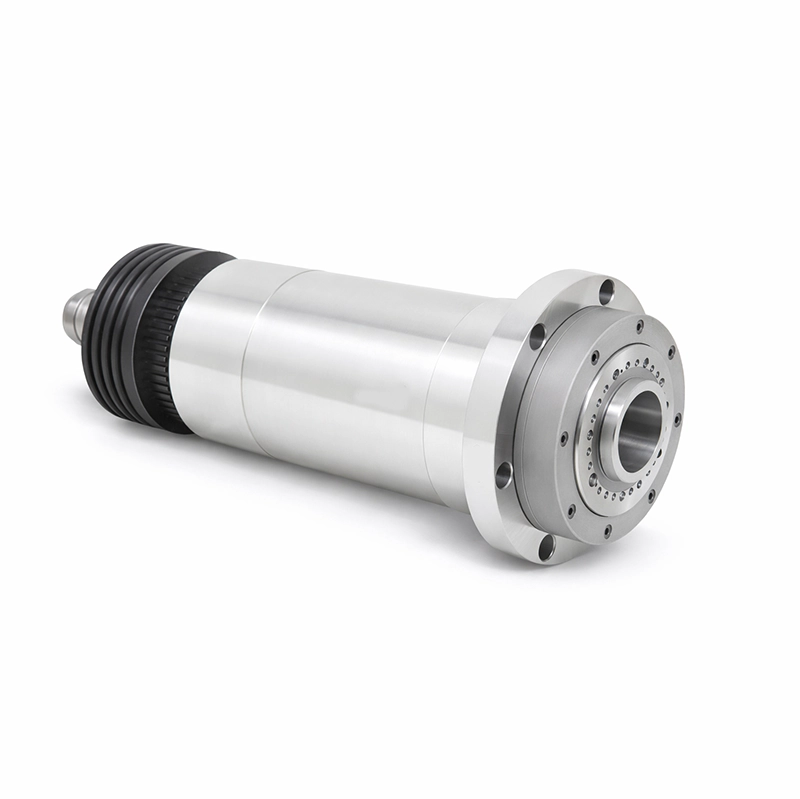
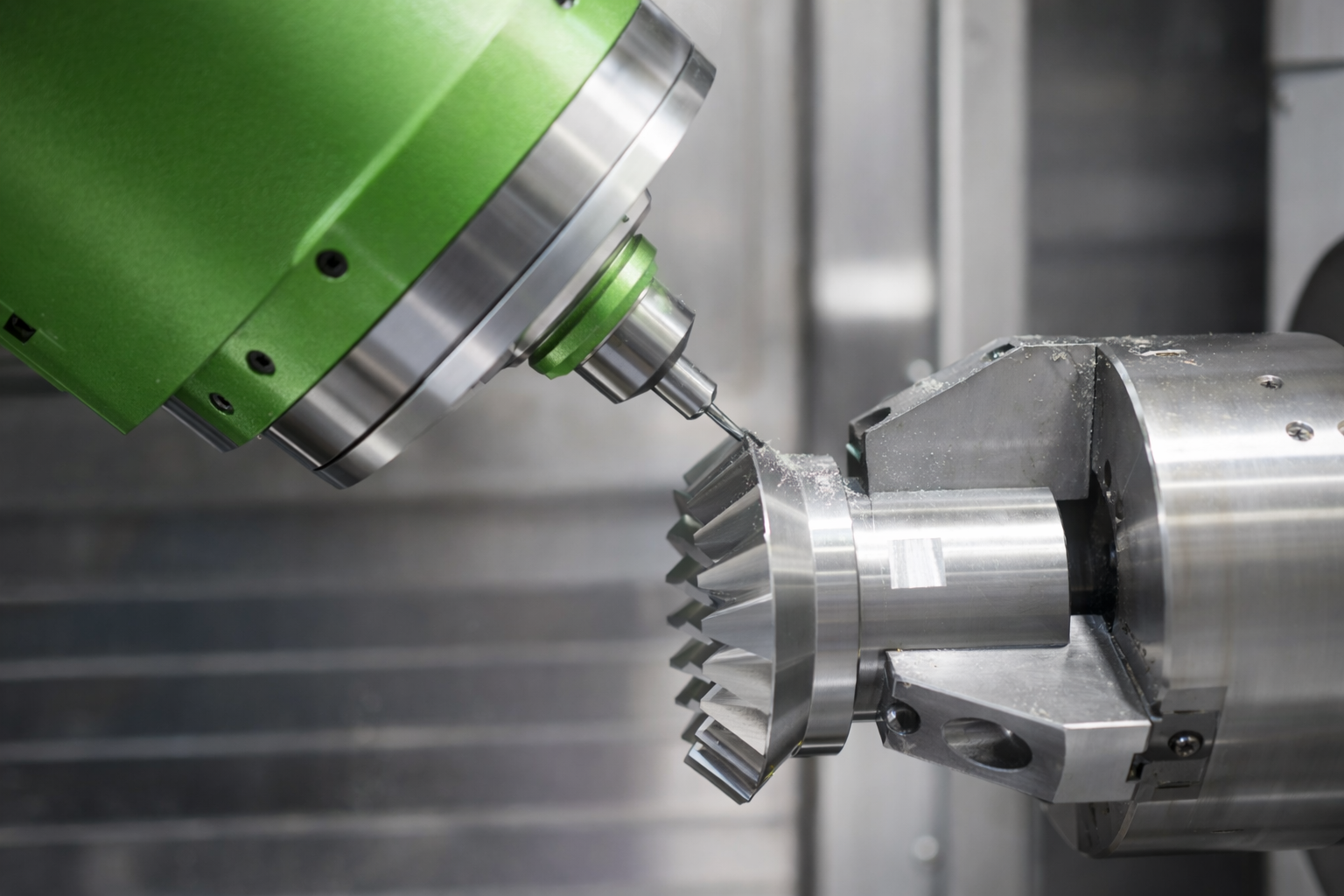
W swojej najprostszej formie inżynieryjnej, silnik wrzecionowy CNC to wysoce wyspecjalizowany napęd elektromagnetyczny, zaprojektowany wyłącznie do przekazywania intensywnej, ciągłej energii obrotowej bezpośrednio do narzędzia skrawającego lub aktywnie obracającego się przedmiotu obrabianego. Porównywanie tych precyzyjnych jednostek do standardowych przemysłowych silników indukcyjnych to poważne niedopatrzenie – standardowe silniki są budowane wyłącznie do napędzania przenośników taśmowych lub wentylatorów, podczas gdy wysokoobrotowe silniki wrzecionowe są precyzyjnie konstruowane, aby wytrzymać silne siły odchylania promieniowego i osiowego (fizyczne odpychanie od agresywnie ciętego materiału), zachowując jednocześnie absolutną, mikroskopijną sztywność strukturalną. Magia działania odbywa się za pomocą napędu o zmiennej częstotliwości (VFD), który przetwarza surowe prądy elektryczne w precyzyjnie obracające się pole magnetyczne wewnątrz ciasno nawiniętych cewek stojana. To szybko zmieniające się pole magnetyczne gwałtownie wymusza obrót centralnego wirnika bez polegania na podatnych na zużycie szczotkach fizycznych, natychmiast przekształcając surową energię z sieci elektrycznej w nieustępliwą mechaniczną siłę ścinającą niezbędną do czystego cięcia utwardzonego tytanu, gęstych paneli kompozytowych lub specjalistycznych przemysłowych tworzyw sztucznych.
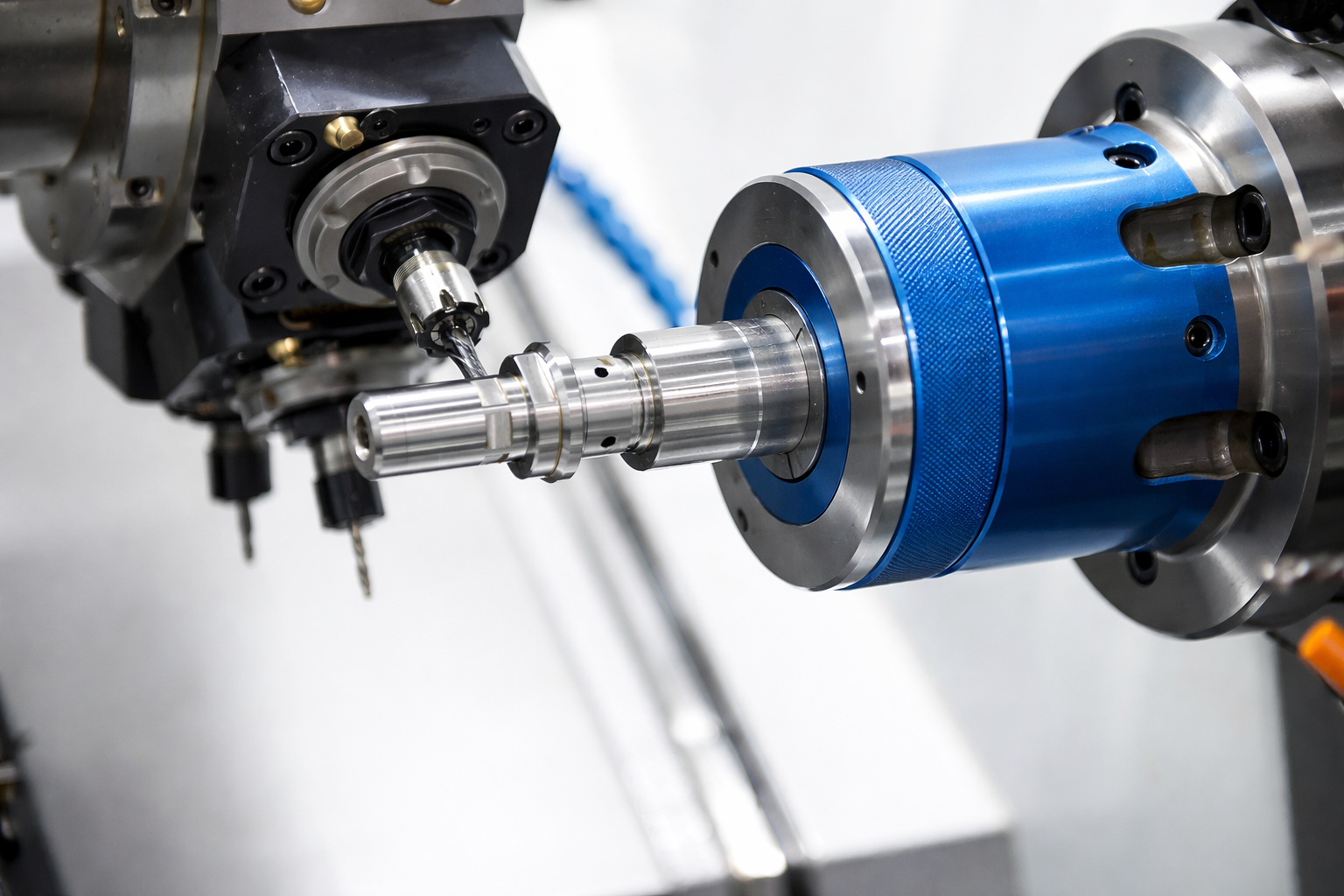
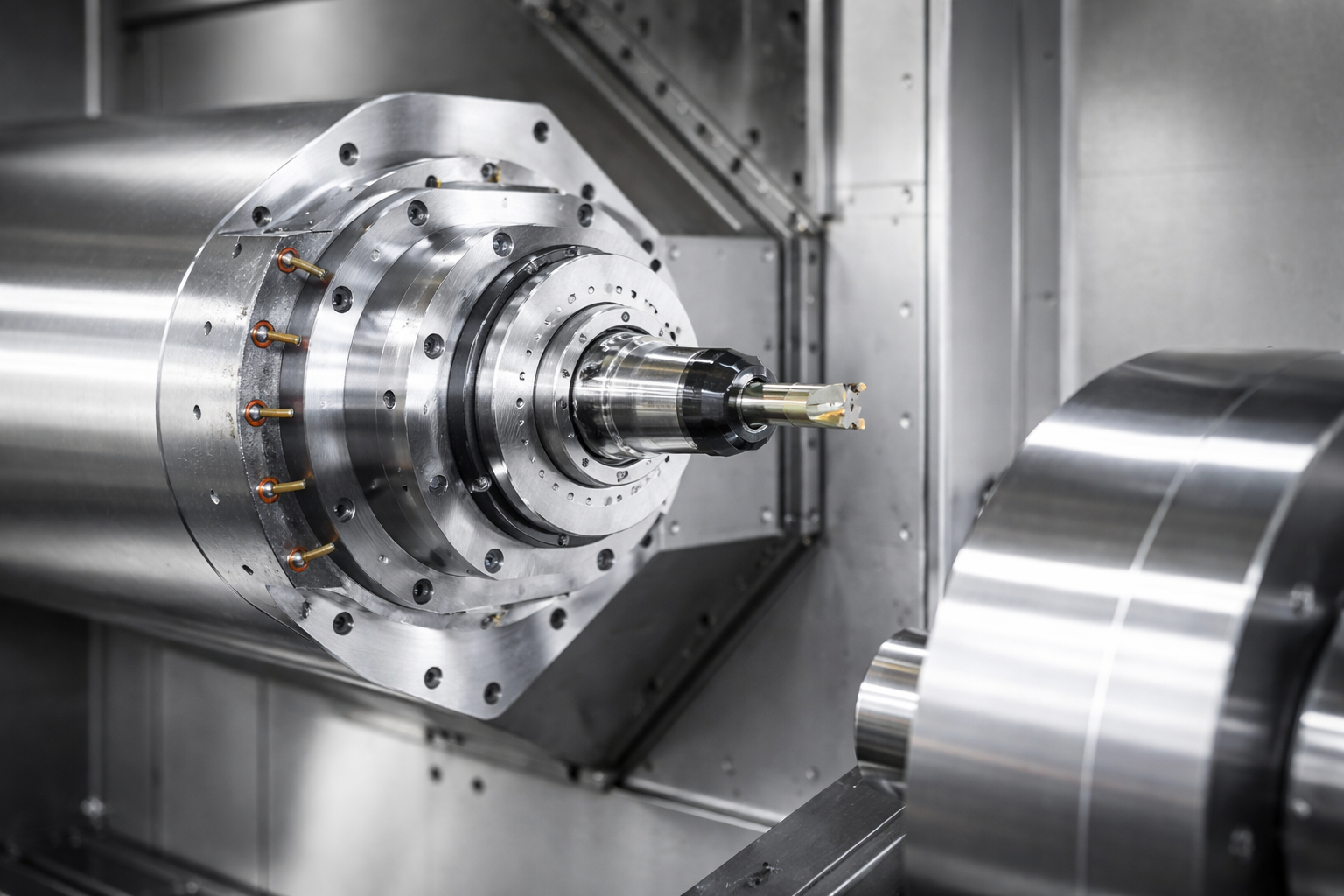
To, co naprawdę podnosi rangę dedykowanego napędu tnącego, to wewnętrzna architektura otaczająca cewki elektromagnetyczne i ultraprecyzyjne łożyska skośne, które pewnie utrzymują wał główny. Ponieważ generowanie dużego momentu obrotowego przy ekstremalnych prędkościach generuje intensywne ciepło elektryczne i tarcie, te specjalistyczne, wytrzymałe silniki wyposażone są w wewnętrzne płaszcze hydrauliczne lub aerodynamiczne żebra chłodzące o wysokim przepływie, które aktywnie odprowadzają ciepło od krytycznych elementów wewnętrznych, zanim rozszerzalność cieplna zrujnuje zaprogramowaną ścieżkę narzędzia. Te przemysłowe, potężne maszyny można znaleźć w bardzo zróżnicowanych środowiskach – od ciężkich, pięcioosiowych centrów obróbki metali, wycinających wsporniki dla przemysłu lotniczego, po zautomatyzowane stanowiska stolarskie produkujące szafki na zamówienie, co dowodzi, że solidna konstrukcja doskonale sprawdza się w przypadku różnych materiałów.
Kluczowe parametry inżynieryjne do oceny przed modernizacją
Poruszanie się po niezwykle złożonych specyfikacjach nowego układu napędowego może wydawać się całkowicie przytłaczające, jeśli nie analizuje się codziennie wykresów technicznych. Jednak skupienie się na relacji między mocą znamionową (kW) a momentem obrotowym dynamicznym to zawsze najbezpieczniejszy punkt wyjścia. Wielu operatorów warsztatów skupia się głównie na mocy szczytowej (kW), która zawsze wygląda fantastycznie w błyszczącej broszurze maszynowej, ale zupełnie nie dostrzega faktu, że ogromny moment obrotowy przy niskich obrotach to rzeczywista siła fizyczna potrzebna do przesunięcia ciężkiego frezu czołowego po bloku stali bez zgaśnięcia silnika w trakcie obróbki. Idealne nałożenie krzywej momentu obrotowego wybranego silnika na gęstość właściwą materiału pierwotnego to klucz do rzeczywistej różnicy między odpowiednią wydajnością a światowej klasy wykonaniem. Jest to bezpośrednio związane z możliwościami w zakresie prędkości obrotowej (obr./min); zbyt szybkie obracanie frezu profilowego o dużej średnicy dosłownie stopi obrabiany przedmiot i zniszczy hartowanie drogich płytek węglikowych, podczas gdy zbyt wolne kręcenie delikatnym mikrofrezem powoduje natychmiastowe pękanie drobnych rowków wiórowych pod wpływem zbyt dużych obciążeń wiórowych.
Podczas oceny zadań wymagających wysokiej wydajności, na hali produkcyjnej nieuchronnie pojawia się ożywiona debata na temat zarządzania temperaturą. Systemy chłodzone cieczą wykorzystują skomplikowaną sieć wewnętrznych kanałów, które przepływają schłodzoną mieszaniną cieczy bezpośrednio wokół bloku stojana, zapewniając niezrównaną stabilność termiczną dla nieustannego, całodobowego, ciężkiego rzeźbienia (i pracują niezwykle cicho, co jest ogromną zaletą dla operatorów). Wymagają one jednak integracji zewnętrznego systemu chłodzenia i pompy. Konstrukcje chłodzone powietrzem wykorzystują wentylator napędzany wałem, który tłoczy powietrze z otoczenia na głębokie, zewnętrzne radiatory; są niezwykle proste w montażu i praktycznie gotowe do użycia, co czyni je atrakcyjnymi w konfiguracjach, w których ekstremalne obciążenia termiczne otoczenia nie stanowią głównego problemu. Precyzja i stabilność bicia promieniowego naturalnie podążają za kontrolą termiczną; wytrzymały silnik wrzeciona, zapewniający maksymalną wydajność, musi charakteryzować się gwarantowanym biciem promieniowym poniżej mikrometra na stożku, gwarantując idealne dopasowanie skomplikowanych ścieżek narzędziowych zaraz po ich usunięciu z maszyny. Utrzymanie bicia pierścieni tłokowych pod kontrolą zależy wyłącznie od Twojego zaangażowania w proaktywną konserwację silnika wrzeciona. Dzięki temu to, co kiedyś było gorączkową, awaryjną naprawą o północy, zamieni się w przewidywalną, możliwą do opanowania rutynę.
Spełnianie rygorystycznych standardów rynku holenderskiego
Współczesny krajobraz produkcyjny rozciągający się na terenie Holandii to globalnie rozpoznawalny ośrodek bezkompromisowej, precyzyjnej inżynierii, wysoce zautomatyzowanych, ciągłych przepływów pracy oraz głębokiego, niezmiennego skupienia na zrównoważonych metodach produkcji. Od nieskazitelnych łańcuchów dostaw zaawansowanych technologii wspierających przemysł półprzewodników, po ciężkie zakłady produkcji morskiej zaopatrujące europejską infrastrukturę, holenderska inżynieria w dużej mierze opiera się na sprzęcie, który zapewnia absolutną, niekwestionowaną niezawodność. Bliska współpraca z zespołami ds. zaopatrzenia w tym regionie pokazuje, że rozmowy praktycznie nigdy nie koncentrują się na znalezieniu absolutnie najtańszej dostępnej opcji; są one głęboko zakorzenione w weryfikowalnej, długoterminowej niezawodności, całkowitych kosztach operacyjnych w całym cyklu życia oraz ścisłej zgodności z europejskimi normami ochrony środowiska. Zastosowany tutaj wysokiej klasy silnik wrzeciona CNC musi agresywnie minimalizować marnotrawstwo energii dzięki zaawansowanej konstrukcji elektromagnetycznej, bezpośrednio wpisując się w rygorystyczne, ekologiczne inicjatywy korporacyjne i surową rzeczywistość wysokich kosztów energii elektrycznej w przemyśle na całym kontynencie.
Zgodność z CE i ścisłe przestrzeganie dyrektyw niskonapięciowych i maszynowych to absolutne podstawy, a nie opcjonalne ulepszenia. Każdy zintegrowany napęd musi bezproblemowo przejść lokalne audyty bezpieczeństwa i testy zakłóceń elektromagnetycznych, nie wzbudzając przy tym żadnych podejrzeń inspektorów ds. zgodności. Z bolesnych, wspólnych doświadczeń wiemy, że w wysoce zoptymalizowanym łańcuchu dostaw o wąskiej tolerancji, trzytygodniowe oczekiwanie na odprawę celną podzespołu zamiennego po prostu nie jest realną opcją. Dlatego współpraca z głęboko zintegrowanym dostawcą, który faktycznie rozumie europejskie wymogi regulacyjne, jest absolutnie niezbędna.
Bezpośrednie głosy z holenderskiej hali produkcyjnej
„Szybko przechodzimy z agresywnego, ciężkiego frezowania stali na niezwykle delikatne profilowanie aluminium 3D. Znalezienie mocnego napędu, który poradziłby sobie z obiema skrajnościami bez dużego dryftu termicznego, było nieustannym wyzwaniem, aż do momentu zainstalowania tego wytrzymałego urządzenia. Bicie stożka jest praktycznie niezauważalne, nawet podczas obróbki zgrubnej. To zdecydowanie najbardziej niezawodna modernizacja silnika wrzeciona CNC, jaką wprowadziliśmy do naszego precyzyjnego warsztatu w Utrechcie!”
— Jeroen V., Dyrektor Produkcji, Obróbka Precyzyjna
„Kompleksowa dokumentacja CE i ISO była bez zarzutu od samego początku, co w pełni zadowoliło nasz zespół ds. zgodności z przepisami. Siła cięcia bez trudu radzi sobie z gęstą stalą narzędziową P20, a stabilność termiczna jest naprawdę fantastyczna. Udało nam się znacznie ograniczyć liczbę comiesięcznych przeglądów konserwacyjnych silników wrzecionowych, ponieważ uszczelnienia labiryntowe faktycznie spełniają swoje zadanie”.
— Saskia D., główny inżynier produkcji, systemy automatyki
„W naszej ciągłej pracy, mikroskopijny pył metaliczny stale niszczył standardowe łożyska naszych silników w ciągu kilku miesięcy. Uszczelnienia sprężonym powietrzem w tych nowych, wydajnych jednostkach całkowicie zapobiegają przedostawaniu się zanieczyszczeń. Pracują na dwie zmiany od ponad roku, zapewniając niesamowitą, nieprzerwaną niezawodność”.
— Martijn K., starszy mechanik CNC, komponenty lotnicze
Strategiczne zakupy: rozwijanie partnerstwa produkcyjnego
Podejmowanie krytycznych decyzji sprzętowych wyłącznie na podstawie sterylnej specyfikacji i absolutnie najniższej ceny początkowej to gwarantowany przepis na katastrofalne przestoje w przyszłości na linii produkcyjnej. Nasza głęboka przewaga technologiczna tkwi w dopracowanej, gruntownej inżynierii dynamiki wirnika i opatentowanych technikach uzwojenia stojana. To przemyślane podejście zapewnia wiodącą w branży sprawność elektryczną, jednocześnie radykalnie zmniejszając pasożytnicze wytwarzanie ciepła, które jest częstą plagą tańszych, słabo wyprodukowanych alternatyw. Z dumą oferujemy bogate, solidne portfolio wysokiej jakości silników wrzecionowych o wysokiej prędkości obrotowej, które konsekwentnie przewyższają rygorystyczne certyfikaty jakości CE, ISO i RoHS wymagane przez europejskie organy regulacyjne, zapewniając ich bezproblemową integrację z obecną infrastrukturą.
Tym, co naprawdę wyróżnia nasz zespół na tle dostawców standardowych części, jest nieustające zaangażowanie w kompleksowe wsparcie posprzedażowe i proaktywne szkolenia z zakresu konserwacji silników wrzecionowych. Nie dostarczamy po prostu ciężkiej drewnianej skrzyni na rampę załadunkową i nagle przestajemy odpowiadać na e-maile. Nasz dedykowany zespół inżynierów aktywnie współpracuje z lokalnymi technikami, aby skrupulatnie optymalizować parametry przyspieszenia przetwornicy częstotliwości (VFD) i ustalać krytyczne, bazowe sygnatury drgań do analizy predykcyjnej. Zdajemy sobie sprawę, że standardowe pozycje katalogowe rzadko pasują do wysoce złożonych i skomplikowanych realiów budowy maszyn na zamówienie, dlatego właśnie nasz wyspecjalizowany dział inżynieryjny dąży do dostarczania szybkich i w pełni spersonalizowanych rozwiązań. W połączeniu z naszym wysoce zoptymalizowanym łańcuchem dostaw i solidnym zarządzaniem zapasami w Europie, gwarantujemy wyjątkowo krótkie terminy dostaw, które aktywnie zapobiegają kaskadowemu przestojowi produkcji spowodowanemu awarią pojedynczego komponentu.
Wszechstronne scenariusze zastosowań w zaawansowanych branżach
Niezwykła wszechstronność odpowiednio zaprojektowanego, wytrzymałego silnika wrzeciona, zapewniająca maksymalną wydajność, pozwala mu pełnić rolę serca w bardzo różnych dyscyplinach produkcyjnych. W przypadku ciężkiej obróbki metali silnik musi stale zapewniać ogromną sztywność promieniową i niezmienny moment obrotowy, aby wykonywać sztywne operacje gwintowania i zapobiegać blokowaniu się narzędzia skrawającego lub powstawaniu straszliwych śladów drgań na drogich elementach aluminiowych lub stalowych. Przechodząc do rozległego przemysłu stolarskiego, wymagania mechaniczne ulegają całkowitej zmianie; czyste frezowanie twardego drewna i wysoce ściernych materiałów arkuszowych, takich jak melamina, wymaga niewiarygodnie wysokich prędkości obrotowych, aby zapewnić nieskazitelną, bezprzypaloną krawędź. Dziedzina obróbki tworzyw sztucznych i akrylu wymaga niezwykle delikatnego balansowania termicznego; jeśli wysokoobrotowe silniki wrzecionowe pracują zbyt szybko lub prędkość posuwu maszyny jest zbyt wolna, lokalne tarcie powoduje, że tworzywo sztuczne dosłownie się topi i zgrzewa z powrotem z frezem, natychmiast niszcząc obrabiany przedmiot i potencjalnie pękając narzędzie.
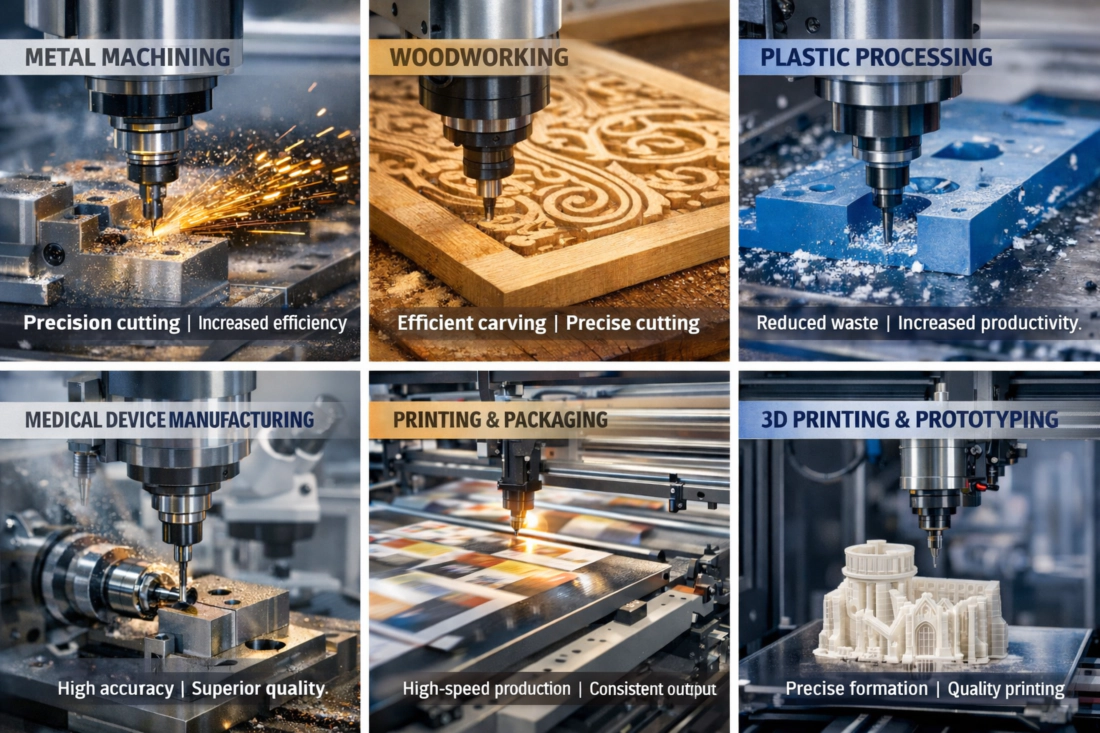
Zagłębiając się w bardziej wyspecjalizowane sektory, przemysł produkcji urządzeń medycznych opiera się wyłącznie na tych ultraprecyzyjnych silnikach, pracujących w ściśle sterylnych warunkach, aby bezbłędnie wytwarzać biokompatybilne implanty z notorycznie trudnych stopów. Tolerancje wymiarowe są tu ściśle mierzone w pojedynczych mikronach! W dynamicznym świecie druku przemysłowego i pakowania, większość drukarni nie zdaje sobie sprawy, że absolutna powtarzalność ich szybkich obrotowych wykrojników i precyzyjnych mechanizmów cięcia folii zależy całkowicie od zamkniętej pętli sprzężenia zwrotnego enkodera silnika napędowego i absolutnej powtarzalności prędkości – obszaru, w którym tanie silniki generują ogromne błędy rejestracji. Nawet w dynamicznie rozwijającej się branży wielkoskalowego druku przemysłowego 3D i zaawansowanego szybkiego prototypowania, nowoczesne hybrydowe obrabiarki bezproblemowo łączą addytywne osadzanie polimerów z frezowaniem subtraktywnym, w dużej mierze opierając się na lekkich, wszechstronnych silnikach wrzecionowych, które precyzyjnie czyszczą drukowane powierzchnie na bieżąco.
Doskonałość inżynierska: namacalne zalety produktu
Decyzja o zdecydowanej modernizacji maszyn w fabryce dzięki naszym zaawansowanym systemom napędowym wprowadza natychmiastowe, wysoce mierzalne usprawnienia w całym procesie produkcyjnym. Starannie wyważona konstrukcja elektromagnetyczna przekłada się bezpośrednio na wyjątkowo niskie zużycie energii, oferując ogromną przewagę operacyjną dla holenderskich zakładów, które aktywnie dążą do ograniczenia emisji dwutlenku węgla i obniżenia miesięcznych rachunków za media. Niezrównana wytrzymałość jest fizycznie wbudowana w każdy element; dzięki wykorzystaniu wyłącznie stopów stali klasy lotniczej i precyzyjnie szlifowanych ceramicznych łożysk hybrydowych, te wysokiej klasy napędy z łatwością wytrzymują duże obciążenia udarowe towarzyszące agresywnemu frezowaniu. Ta naturalna sztywność mechaniczna zapewnia absolutną precyzję kontroli i radykalnie obniża drgania harmoniczne na samym końcu krawędzi skrawającej.
| Główna funkcja inżynieryjna | Bezpośredni wpływ na produkcję | Możliwości techniczne |
|---|---|---|
| Bardzo niskie bicie stożkowe | Eliminuje drgania narzędzi, znacznie poprawia wykończenie powierzchni i wyraźnie wydłuża żywotność drogiego węglika. | Zawsze < 0,002 mm |
| Ceramiczne łożyska hybrydowe | Znacznie zmniejsza rozszerzalność cieplną i tarcie wewnętrzne podczas ciągłego rzeźbienia z dużą prędkością 24 000 obr./min. | Oceniony na 24 000+ obr./min |
| Zoptymalizowane kurtki termiczne | Zapobiega katastrofalnemu przepaleniu stojana i utrzymuje stabilność wymiarową osi Z podczas długich cięć 3D. | Ciecz lub powietrze o wysokim przepływie |
| Dynamiczny moment obrotowy przy niskich obrotach | Umożliwia agresywne cięcie twardych metali bez wyłączania silnika w połowie cięcia. | Zoptymalizowane profile VFD |
Wykraczając poza surową wydajność mechaniczną, nasza z natury ekologiczna filozofia projektowania gwarantuje ścisłe przestrzeganie surowych europejskich przepisów dotyczących hałasu i emisji, zapewniając bezpieczeństwo operatorom i znacznie lepsze warunki pracy w warsztacie. Zaprojektowaliśmy te systemy z myślą o niezwykle szerokim zastosowaniu, co oznacza, że pojedyncza, solidna architektura silnika może być bezproblemowo wdrożona w różnych płaskich frezarkach do nestingu, centrach frezarskich i niestandardowych robotycznych gniazdach do rzeźbienia, przy minimalnym tarciu inżynieryjnym. Wybór naszego sprzętu to nie tylko zakup standardowych części; to zdecydowany, strategiczny krok w kierunku całkowitej modernizacji Państwa możliwości precyzyjnej obróbki.
Spostrzeżenia ekspertów: Często zadawane pytania
Jak precyzyjnie wybrać najbardziej odpowiedni silnik wrzeciona do mojej maszyny CNC?
Wybór idealnego napędu wymaga dokładnego odwzorowania rzeczywistych warunków operacyjnych, zanim jeszcze spojrzy się na katalog. Należy dokładnie określić obrabiane materiały (co determinuje wymagane krzywe obrotów na minutę i momentu obrotowego), zrozumieć fizyczne ograniczenia montażowe płyty osi Z maszyny, obliczyć maksymalny ciężar, jaki brama może szybko przemieszczać podczas rzeźbienia 3D oraz zweryfikować dostępne zasilanie warsztatu. Zdecydowanie zalecamy zlecenie naszemu zespołowi inżynierów wykonania spersonalizowanego obliczenia siły skrawania, aby upewnić się, że moc silnika idealnie pokrywa się z precyzyjną geometrią narzędzi, co zapobiegnie kosztownemu spadkowi mocy.
Jakie są jednoznaczne sygnały ostrzegawcze, że mój silnik wrzeciona zaczyna zawodzić?
Wczesne wykrycie usterki to klucz do uniknięcia ogromnych, nieoczekiwanych kosztów naprawy. Najbardziej rażącym sygnałem jest zazwyczaj niewyjaśnione, nagłe pogorszenie wykończenia krawędzi obrabianych części, co wyraźnie wskazuje na zużycie łożysk powodujące bicie stożkowe. Należy uważnie nasłuchiwać piskliwego pisku, ostrego metalicznego zgrzytu lub jakichkolwiek wyraźnych zmian w normalnym buczeniu roboczym. Należy uważnie monitorować moc cieplną; jeśli zewnętrzna obudowa silnika staje się zbyt gorąca w dotyku, prawdopodobnie doszło do poważnej degradacji łożysk. Losowe alarmy przetężenia przetwornicy częstotliwości to również poważne sygnały ostrzegawcze, które wymagają natychmiastowej interwencji!
Jaka jest faktyczna różnica w działaniu pomiędzy napędami chłodzonymi wodą i chłodzonymi powietrzem?
Sprowadza się to zasadniczo do znalezienia równowagi między wydajnością cieplną a prostotą instalacji i warunkami panującymi w warsztacie. Chłodzone cieczą silniki wrzecionowe CNC aktywnie cyrkulują ciecz chłodzącą przez skomplikowane kanały wewnętrzne, zapewniając znacznie lepsze odprowadzanie ciepła, co jest niezbędne w przypadku intensywnego frezowania 24/7 lub pracy w środowiskach o dużym zapyleniu, gdzie wentylator powietrza mógłby się zatkać (są również znacznie cichsze). Modele chłodzone powietrzem wykorzystują zintegrowany wentylator do nadmuchu powietrza z otoczenia na zewnętrzne żebra chłodzące. Są wyjątkowo proste w montażu, ponieważ nie wymagają zewnętrznych agregatów chłodzących, co czyni je idealnymi do frezarek bramowych z otwartym portalem, pod warunkiem zapewnienia skutecznego odsysania pyłu z głowicy wrzeciona.
Jak wygląda prawidłowy harmonogram konserwacji silnika wrzeciona?
Bezbłędna konserwacja silnika wrzeciona opiera się wyłącznie na proaktywnych, zapobiegawczych nawykach. Operatorzy muszą codziennie rygorystycznie dbać o nieskazitelną czystość wewnętrznego stożka i wszystkich tulei zaciskowych – nawet mikroskopijna drobinka sprężonego pyłu lub wiórów metalowych może zaburzyć równowagę i powoli zniszczyć ceramiczne łożyska. Należy wizualnie sprawdzić, czy wszystkie kanały chłodzenia są całkowicie drożne. Cotygodniowe kontrole powinny obejmować sprawdzanie połączeń kabli pod kątem degradacji spowodowanej uginaniem oraz odczytywanie podstawowych wartości drgań za pomocą prostego miernika. Kompleksowa, profesjonalna inspekcja demontażowa powinna być planowana co 6 do 12 miesięcy w celu sprawdzenia bicia wewnętrznego i rezystancji izolacji elektrycznej.
Czy istnieją jakieś sprawdzone sposoby na znaczne wydłużenie żywotności mojego silnika?
Zdecydowanie, a najważniejszy etap ma miejsce, zanim frez dotknie surowca! Zawsze należy stosować rygorystyczny, zaprogramowany proces rozgrzewania. Natychmiastowe rozkręcenie całkowicie zimnego wrzeciona do 24 000 obr./min może spowodować ślizganie się ceramicznych kulek łożyskowych, zanim wewnętrzny smar odpowiednio się nagrzeje i rozprowadzi, powodując mikrowżery, które drastycznie skracają ich żywotność. Zaprogramuj 5-minutowy cykl, stopniowo zwiększając obroty. Zawsze upewnij się, że uchwyty narzędzi są idealnie wyważone, korzystaj z precyzyjnie regulowanej mocy elektrycznej, a jeśli korzystasz z chłodzenia cieczą, dokładnie uzdatniaj wodę inhibitorami korozji, aby zapobiec osadzaniu się kamienia.
Gotowy na osiągnięcie celów produkcyjnych?
Kluczowe elementy obrotowe napędzające maszyny CNC determinują najwyższą jakość, dużą prędkość cięcia i rentowność całego przedsiębiorstwa. Zadowalanie się napędami niskiej jakości prowadzi bezpośrednio do narastania błędów, marnotrawstwa drogich surowców i wysoce niedopuszczalnych przestojów maszyn. Integrując nasze najwyższej klasy, wytrzymałe systemy wrzecion, gwarantujesz niezrównaną dokładność i niezawodną wydajność, która bez problemu dopasowuje się do Twoich najbardziej ambitnych celów produkcyjnych.