Description
In the precision-driven Dutch manufacturing landscape, our top-quality spindle motor emerges as a reliable ally for CNC applications demanding exactness. In our experience, numerous teams face challenges with inconsistent motors leading to rework and delays, but selecting the best spindle motor tailored for accuracy resolves that, fostering smoother operations. This exploration into superior spindle solutions underscores their impact on Dutch industry, where high standards in machining are non-negotiable.
What is a Spindle Motor?
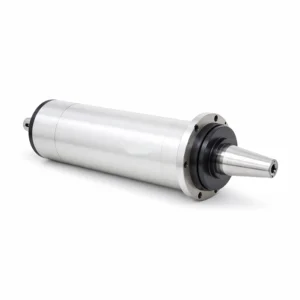
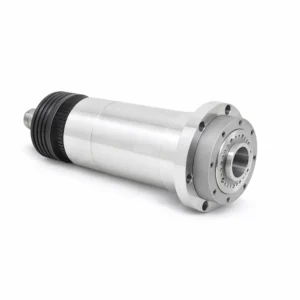
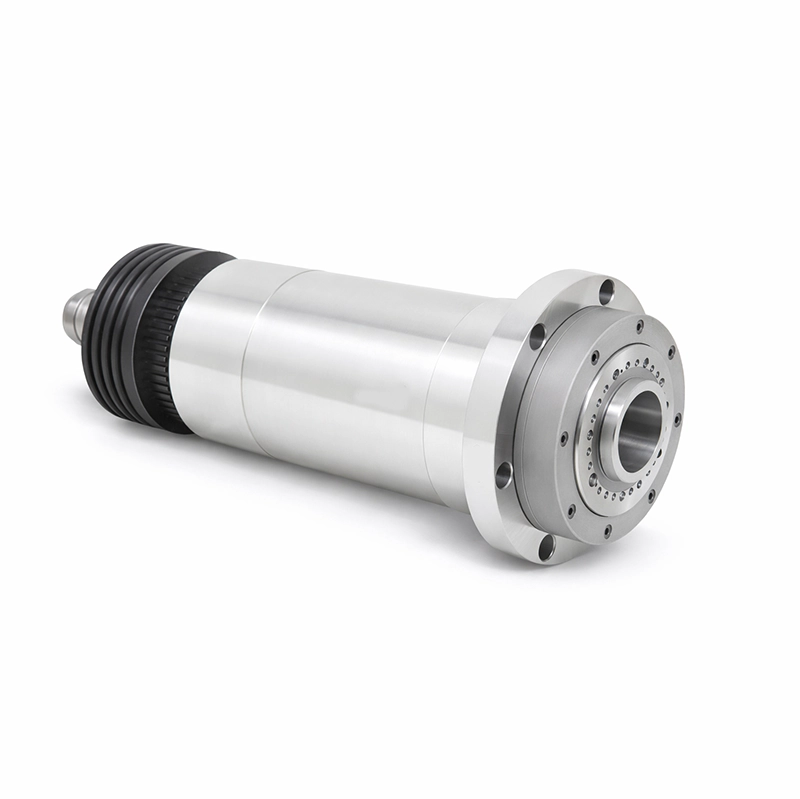
A spindle motor is the precision engine at the core of CNC machines, rotating tools with exact control to achieve meticulous cuts and shapes. It functions by harnessing electrical input to produce rotational force, essential for accurate machining tasks. We’ve seen how this core component defines the outcome in detailed work.
The mechanism involves current flowing through stators to create magnetic fields that drive the rotor, converting energy into precise mechanical spin for CNC operations. This process ensures minimal deviation, crucial for accuracy. Most don’t fully grasp how balanced components reduce errors in tight-tolerance jobs.
Applications range from metal precision milling to wood fine engraving and plastic detailed molding – in the Netherlands, it supports high-accuracy needs in tech and design fields.
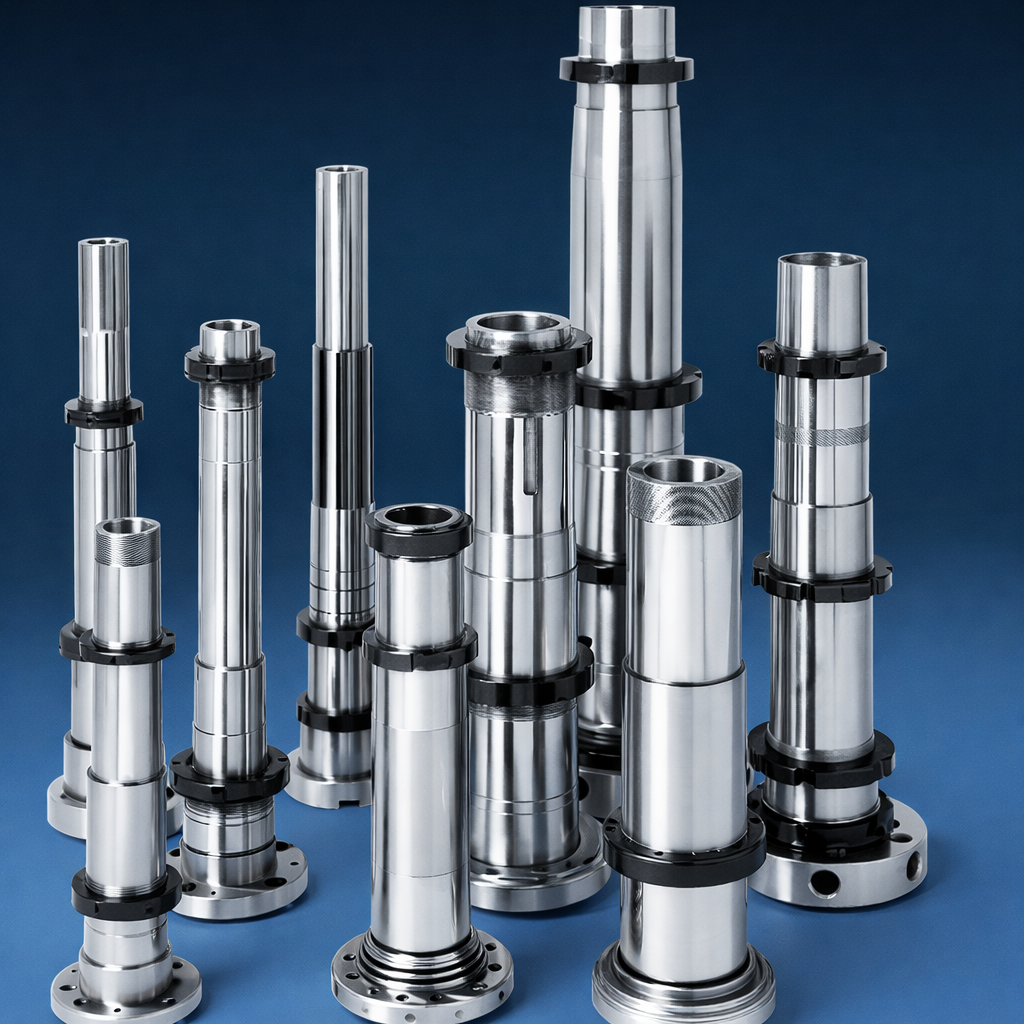
Key Factors to Consider When Choosing a Spindle Motor
Power and torque selection hinges on your accuracy goals; mismatched specs lead to vibrations that throw off measurements, but proper alignment maintains crisp results. We’ve advised basing choices on material resistance – for alloys, higher torque stabilizes cuts. Guide: Assess via load tests, aiming 4-12 kW for precise work.
RPM influences surface precision; optimal speeds prevent burrs on delicate materials, adjusted per type for best outcomes. In our experience, 10000-25000 RPM with variables allows fine-tuning for accuracy across stocks.
Cooling impacts sustained precision: water systems offer consistent temp control for long accurate runs, despite complexity, over air-cooled’s ease but potential fluctuations. The trick? Water for high-accuracy demands in controlled environments.
Accuracy and stability are paramount; low runout designs ensure repeatable results in elite CNC. Sensors for real-time adjustments uphold this standard.
Longevity ties to routine care – calibrate quarterly, clean filters monthly to sustain precision without interruptions. Most overlook early signs, but proactive steps can boost uptime by 40%.
| Factor | Role in Accuracy | Guidelines |
|---|---|---|
| Power/Torque | Ensures steady cuts | 5-15 kW / 10-30 Nm |
| RPM | Affects finish quality | 12000-28000 RPM |
| Cooling | Preserves tolerances | Water for precision |
| Precision | Minimizes errors | <0.004mm runout |
Special Demands in the Dutch Market
Dutch industry champions accuracy in CNC for aerospace and microelectronics, with demand for tools that deliver micron-level precision amid innovation pushes.
Clients prioritize dependable, sustainable, and efficient options to align with green initiatives. Our top-quality spindle motors meet this through accurate, low-energy designs that enhance eco-compliance.
Fully CE and EU certified, guaranteeing adherence to rigorous standards for Dutch use.
From a Den Haag precision shop: “Accuracy jumped, no more rejections on tight specs – reliable daily.” An Arnhem operator: “Eco features fit our goals; cuts energy without losing edge.” And from Maastricht: “Custom tweaks for our niche; support makes it seamless.”
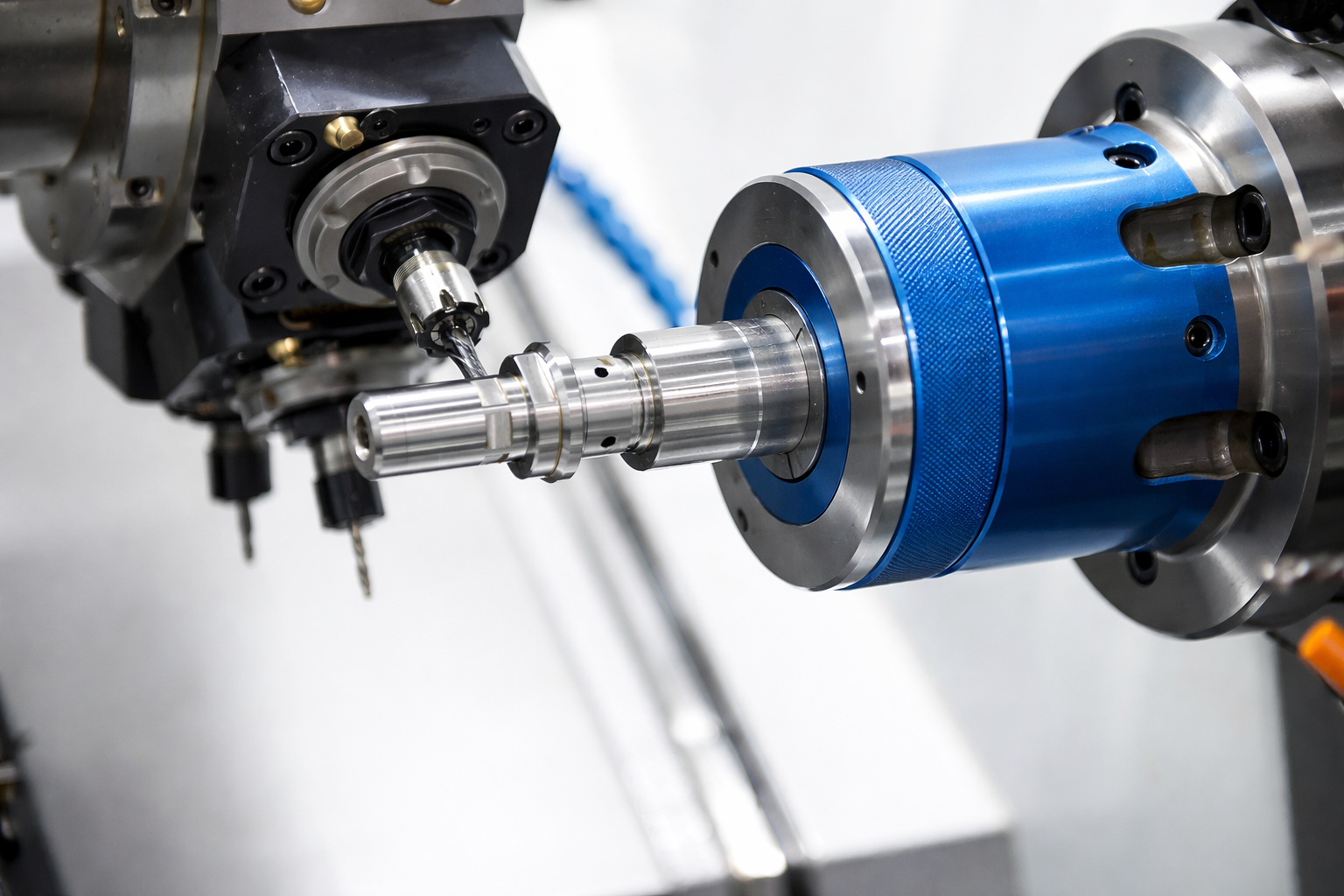
Your Guide to Buying with Us
Our precision tech provides unmatched accuracy and efficiency, suiting Dutch and European needs with designs that hold tight tolerances.
We offer in-depth support: training for accurate installs, ongoing help, and maintenance to ensure peak performance.
ISO 9001 and CE backed, with examples like a Dutch optics firm achieving 0.001mm consistency, fostering trust.
Custom precision motors for specialized accurate apps, such as enhanced sensors for ultra-fine work.
Optimized supply ensures quick deliveries, reducing precision downtime.
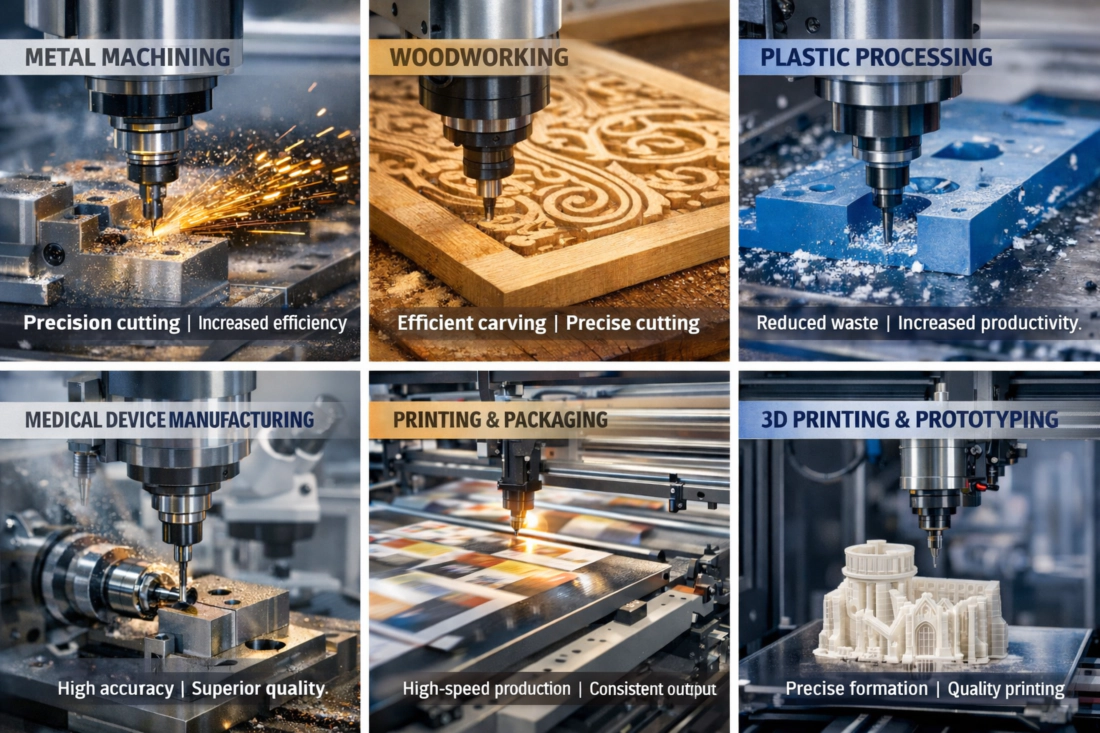
Application Scenarios: Spindle Motor in Various Industries
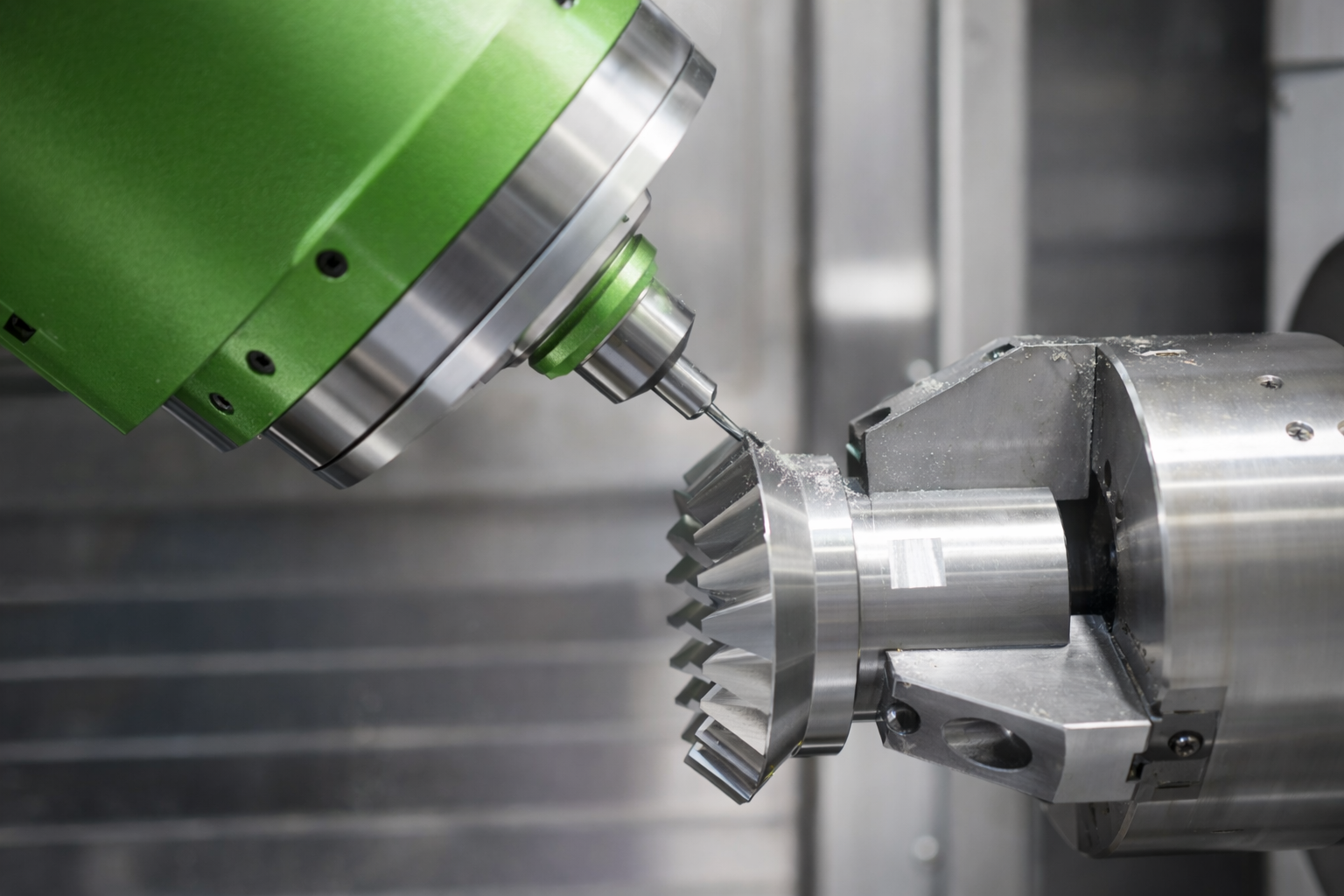
Metal machining benefits from accurate motors in fine milling, ensuring tolerances that elevate part quality and speed.
Woodworking sees precise engravings, improving detail work without errors.
Plastics gain from exact control, minimizing waste in molding for better yields.
Medical manufacturing relies on accuracy for device components, meeting strict standards.
Printing uses precise spins for consistent high-speed outputs.
3D prototyping depends on accuracy for flawless layers in designs.
Product Advantages: Why Choose Our Spindle Motor?
High performance with low consumption delivers accurate spins, saving costs in precision-focused Dutch ops.
Robust materials ensure stability, reducing inaccuracies in tough conditions.
Controls minimize vibrations for superior precision in machining.
Eco designs comply with EU, low noise for sustainable accurate work.
Adaptable to various CNCs, custom for precise needs.
Exceptional service optimizes accuracy long-term.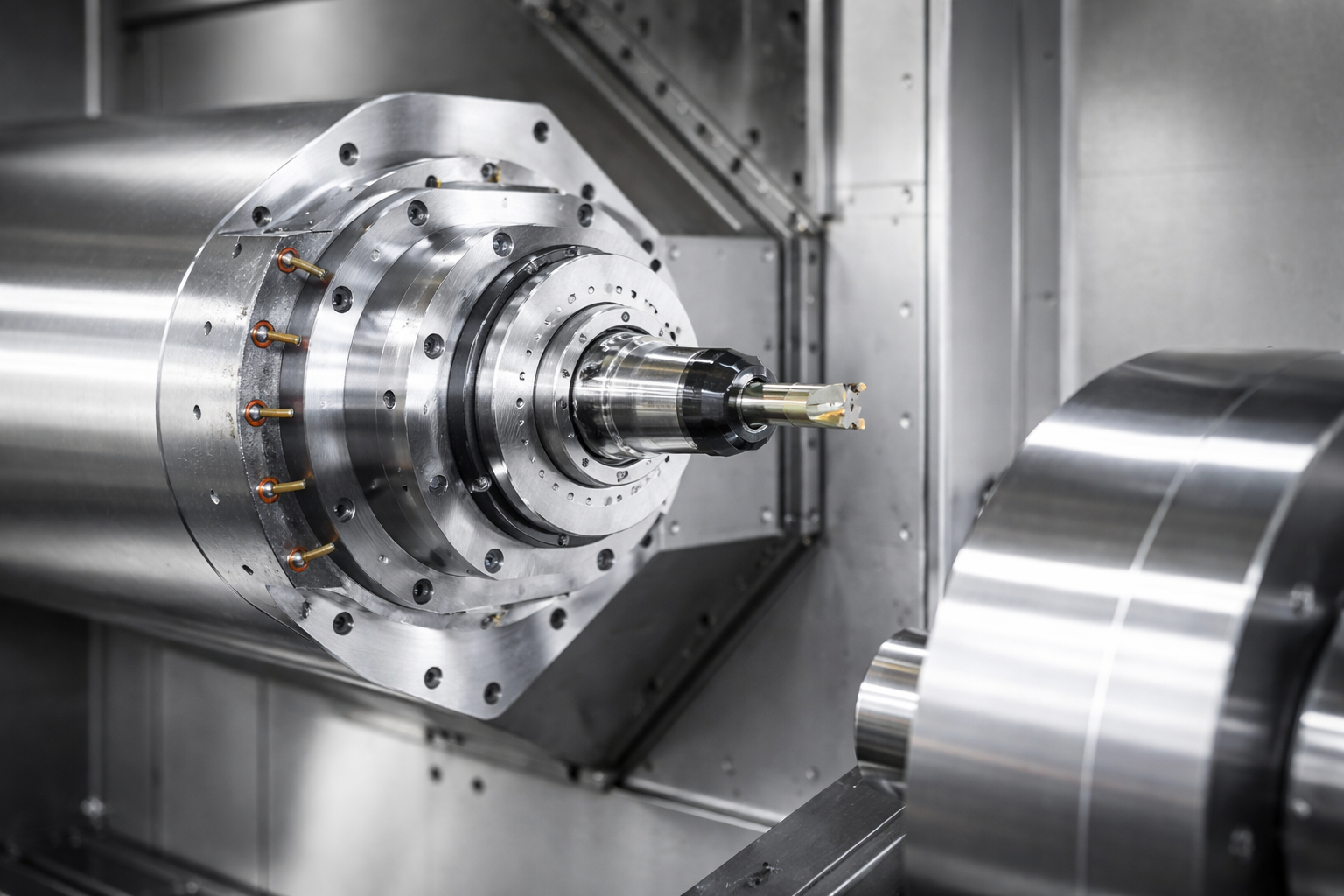
Take the Next Step
Top-quality spindle motors refine CNC accuracy, efficiency, and productivity in exacting environments.
Connect for tailored precision solutions, support, or discussions – achieve machining excellence today!
Frequently Asked Questions
How to choose the right spindle motor for my CNC machine?
Evaluate your machining precision needs and machine specs upfront. We’ve found that starting with torque requirements matched to your materials avoids inaccuracies. Measure your setup’s power supply, and factor in cooling for sustained accuracy – water if precision is paramount. In our experience, prototyping on similar tasks confirms the fit.
How can I tell if my spindle motor is failing?
Check for inconsistent vibrations that disrupt cuts, or spikes in operating temperature beyond norms. Odd humming could signal alignment woes. Most machinists don’t spot torque drops early, which erode accuracy. Use a tachometer for RPM checks regularly.
What’s the difference between water-cooled and air-cooled spindles?
Water-cooled maintain steady temps for ultra-precise work, though setup involves more, while air-cooled simplify installs but may vary in heat control. The trick for accuracy? Water in detailed ops – we’ve noticed it preserves tolerances better.
What’s the typical maintenance schedule for a spindle motor?
Daily dust clears and weekly inspections keep accuracy sharp, with bi-monthly lubes for bearings. In our experience, semi-annual calibrations prevent drift. For high-precision, tighten if in dusty spots to avoid contaminants.
How can I extend the lifespan of my spindle motor?
Balance tools meticulously to cut wear, and monitor loads to stay within specs. Regular cleans and avoiding dry runs help hugely. We’ve seen calibration logs extend service by years – why not track for peace of mind?